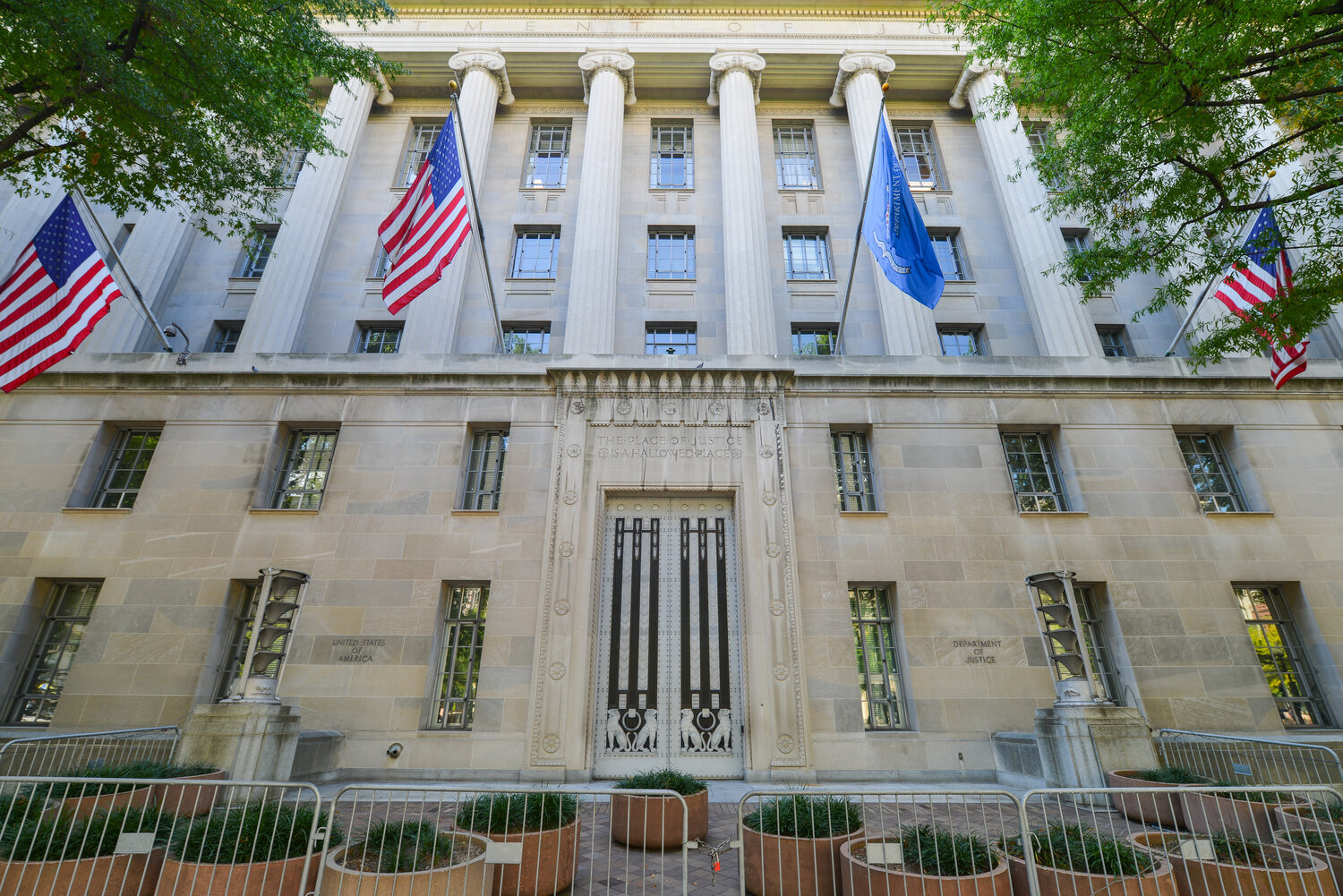
Speaking at the Federal Bar Association’s (FBA) annual Qui Tam Section Conference February 21, Deputy Assistant Attorney General Michael Granston reaffirmed the U.S. Department of Justice’s (DOJ) commitment to rigorous enforcement of the federal False Claims Act (FCA), with a particular focus on illegal foreign trade practices.
Mr. Granston emphasized that the DOJ intends to use the FCA as a key tool in enforcing trade laws, stating, "You can expect the Department to continue to use the False Claims Act to enforce these trade laws."
With the administration's more relaxed stance on foreign corruption, the resources previously focused on FCPA enforcement may find employment policing tariff compliance. Mr. Granston linked the DOJ’s aggressive FCA enforcement efforts to broader government priorities aimed at enhancing efficiency and eliminating waste, fraud, and abuse.
"Consistent with the new administration’s stated focus on achieving governmental efficiency and rooting out waste, fraud, and abuse," Granston stated, "the Department plans to continue to aggressively enforce the False Claims Act."
Other senior DOJ officials echoed these priorities at the conference. Miller & Chevalier notes that Jamie Ann Yavelberg, Director of the DOJ’s Civil Fraud Section, identified customs and tariff evasion as a “key area” for future enforcement.
Ms. Yavelberg specifically highlighted cases involving misrepresentations regarding
She cited the 2023 $22.8 million settlement with International Vitamin Corporation, a vitamin importer that admitted to misclassifying imports to evade duty obligations, as an example of the types of cases the DOJ plans to pursue.
DOJ’s focus on trade enforcement through the FCA is not new but has intensified in recent years, with the DOJ securing guilty pleas and settlements worth tens of millions of dollars in trade and customs violations in 2023 and 2024, even prior to the new administration taking office.
In a client note Morgan Lewis highlighted Granston’s emphasis on using the FCA to combat illegal foreign trade practices and fraudulent efforts to avoid import duties and tariffs. Yavelberg reinforced this focus, emphasizing the DOJ’s commitment to scrutinizing misrepresentations in trade compliance, particularly in relation to country of origin and customs valuation.
The new administration has already taken significant steps to reshape trade policy, including imposing new tariffs and declaring a national emergency to justify executive orders on tariffs affecting Mexico, Canada, and China.
A recent presidential memo directed federal agencies to devise a strategy for reciprocal tariffs, targeting industries where non-reciprocal trade relationships exist. As these policies take effect, experts anticipate a corresponding surge in DOJ enforcement actions.
Given the DOJ’s stated priorities, businesses engaged in international trade should prepare for heightened FCA scrutiny.


Comments
No comments on this item Please log in to comment by clicking here