
Sens. Mark Warner, D-Va., and Jon Husted, R-Ohio, have introduced four bipartisan measures …

By targeting pharmaceutical licensing deals, joint ventures and equity investments with Chinese covered foreign persons, the bill reflects a broader Washington judgment that drug discovery, clinical development and biologics manufacturing are no longer purely commercial life-sciences activities but strategic capabilities that can create dependency, military-readiness and supply-chain risks.

Silicon Valley investors are pouring money into defense technology. But ITAR, EAR and foreign-investment rules impose a radically different operating model—one in which a shared file, overseas engineer or overlooked portfolio company can become a national-security investigation.
Congressional pressure on the Commerce Department’s Bureau of Industry and Security intensified Monday as the Republican chairman of the House Select Committee on China joined Democratic Sen. …

The licensing delays deepen questions about whether BIS has the capacity to administer Washington’s expanding export-control system.

The Commerce Department will require U.S. sellers to reserve all covered black mass and tungsten scrap for domestic buyers beginning Aug. 27.

The Trump administration is coupling broader access to advanced U.S. technology with a significantly deeper strategic relationship with the United Arab Emirates, underscoring that the July export-control changes are part of a broader effort to anchor the UAE within the U.S. technology and security ecosystem.
U.S. authorities are tightening restrictions on foreign access to sensitive technology and data. Wiley partners explain the evolving enforcement landscape and practical steps companies can take to reduce risk.

At stake is whether Washington can use its tightly layered export-control system to keep Saudi Arabia’s nuclear program peaceful while allowing Riyadh access to American reactors and expertise.
U.S. lawmakers are pressing the Trump administration to eliminate what they describe as a dangerous gap in semiconductor export controls—one that could allow Chinese companies to obtain advanced AI chips by commissioning them through overseas subsidiaries or front companies.

The White House wants federal funding to follow scientists, not institutions, while putting artificial intelligence and national security at the center of research. The approach could accelerate discovery—but weaken safeguards now supplied by universities and national laboratories.

Although BIS has committed to rescinding the rule and issuing a successor regulation, the agency has yet to disclose the structure of the new export-control regime, making it one of the most closely watched rulemakings affecting AI, semiconductors and global technology trade.
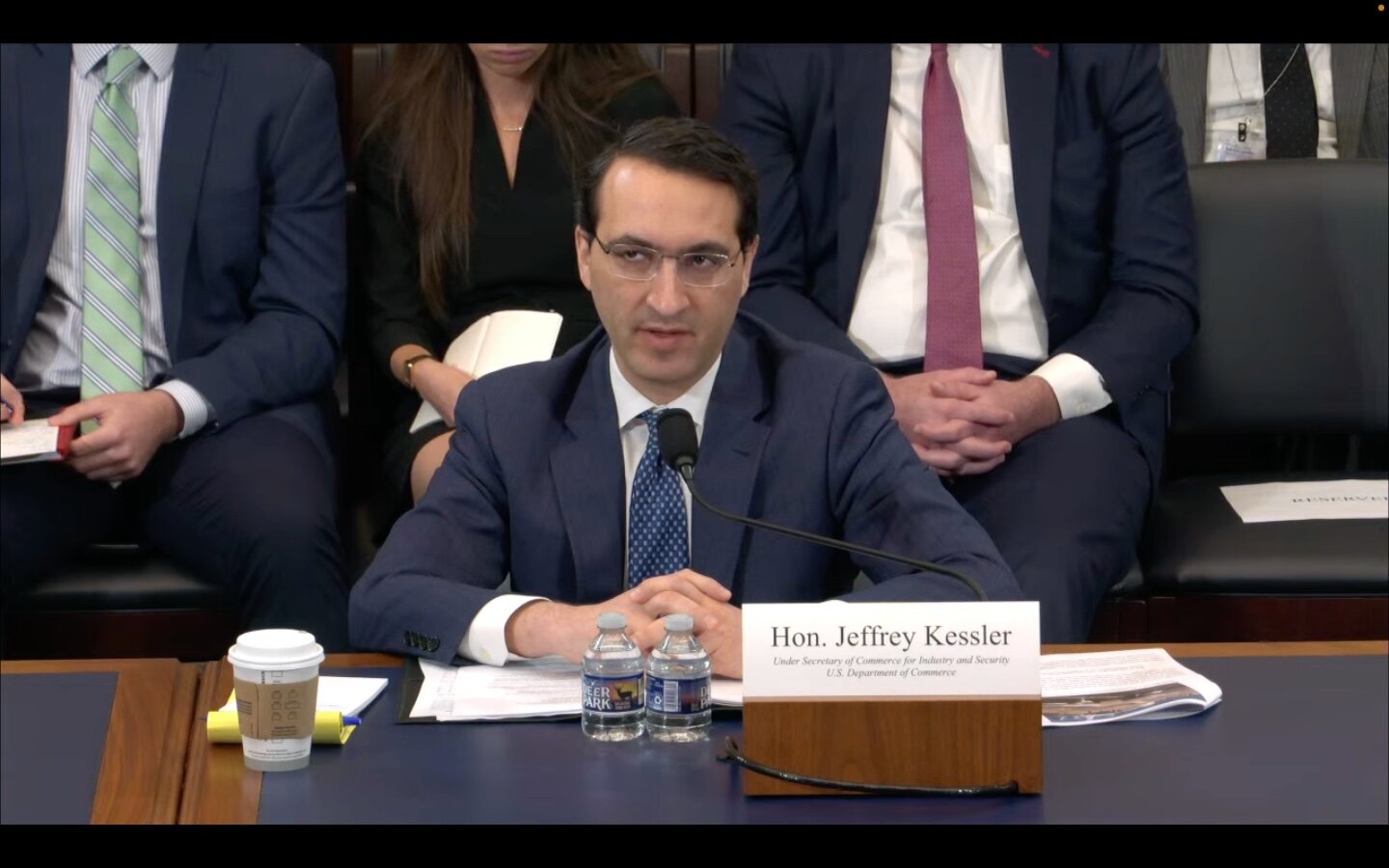
The House Foreign Affairs Committee’s hearing on the Commerce Department’s fiscal 2027 budget quickly exposed a widening gap between Congress and the Bureau of Industry and Security over the …
The United Kingdom is sharpening its focus on preventing Russia from acquiring controlled goods through third-country diversion networks, signaling a broader shift toward intelligence-led export control enforcement despite little change in overall licensing activity, according to the government’s 2025 Strategic Export Controls Annual Report

The Homeland Security Department’s decision to replace “duration of status” admissions with fixed periods of stay for F-1 students and J-1 exchange visitors does not alter U.S. export-control laws, but it fundamentally changes how universities and technology companies must administer them.
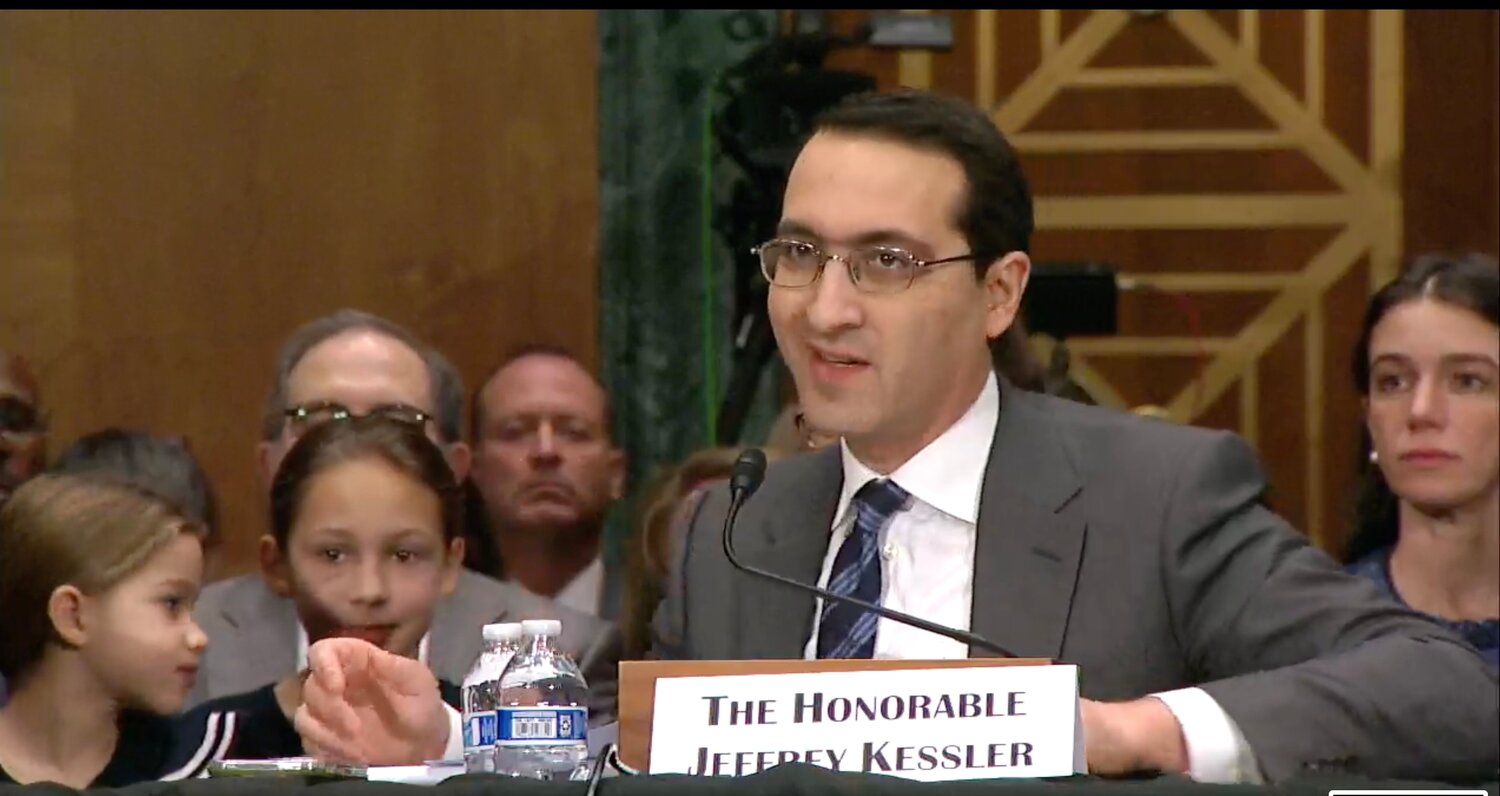
From the start of Tuesday’s House Foreign Affairs Committee hearing, it was clear that the lawmakers and their sole witness, Under Secretary of Commerce Jeffrey Kessler, were having two very …

The National Science Foundation is preparing a significant expansion of its research security requirements by barring organizations on several U.S. government restricted-party lists from participating in NSF-funded research, extending beyond existing disclosure and foreign talent program rules.

The Commerce Department’s Bureau of Industry and Security (BIS) has issued a final rule granting the United Arab Emirates enhanced favorable treatment under the Export Administration Regulations (EAR), a move that substantially expands the country’s access to sensitive U.S. technologies, including advanced semiconductors used for artificial intelligence.
The always cool and ever-original Tim O’Toole, practice lead for Miller & Chevalier Chartered’s export controls and sanctions team, indefatigable compliance educator and host of the Embargoed! Podcast took some time ahead of Independence Day to talk enforcement trends.
As trade rules grow more complex, the gap between what compliance teams need to do and what they are funded to do is widening. Better funding outcomes may start with a different pitch: one that frames trade compliance as a measurable value function, not merely a control obligation.