
The Commerce Department’s Bureau of Industry and Security has issued new guidance clarifying that U.S. export controls on advanced computing items apply to companies headquartered in China and other arms-embargoed jurisdictions even when the recipient entity is located outside those countries.
BIS’s dismissal of an appeal by a Belgian businessman and his company is procedurally narrow, but its compliance lesson is broader: an expired, non-renewed temporary denial order cannot be used as a vehicle for collateral relief under EAR § 766.24, even where the respondent disputes the factual basis for the original order. The decision also underscores the separate legal effect of BIS tools. A temporary denial order may lapse, but later Entity List restrictions, OFAC sanctions and criminal proceedings can continue to carry the operative compliance risk.
The UK Export Control Joint Unit’s updated military end-use guidance reinforces a central compliance problem for exporters: goods, software and technology outside the UK Strategic Export Control Lists may still require a licesce where end-use, end-user or diversion risk raises military concerns.
BIS’s licensing backlog has become a management test for Under Secretary Jeffrey Kessler, exposing the gap between a tougher export-control posture and the bureau’s obligation to keep lawful technical trade moving. BIS’s last public benchmark showed average license processing at 38 days in FY 2023, but semiconductor and technology exporters now report waits of six to ten months, weaker communication and lost business. The record does not show Kessler created the backlog, but industry criticism has sharpened under his tenure as exporters, lawmakers and analysts question whether BIS can impose rigorous national-security controls without making U.S. suppliers unreliable in the markets those controls are meant to protect.
European governments and the EU are moving to draw universities, research institutes and spin-offs more directly into defense innovation, accelerating a shift toward “dual-use by design” research …
By treating forged export paperwork for Nvidia-equipped servers as a smuggling matter, Taipei is signaling that diversion to China will be policed not only at the chipmaker level but across the server, logistics and customs chain.
The Bureau of Industry and Security is seeking OMB approval to continue collecting requests from parties seeking removal or modification of entries on the Entity List or Unverified List.
The Government Accountability Office has concluded that Commerce’s announcement that it would not enforce the Biden-era AI Diffusion Rule was itself a “rule” subject to the Congressional Review Act, creating a procedural vulnerability for the Bureau of Industry and Security’s effort to shelve the framework by press release.
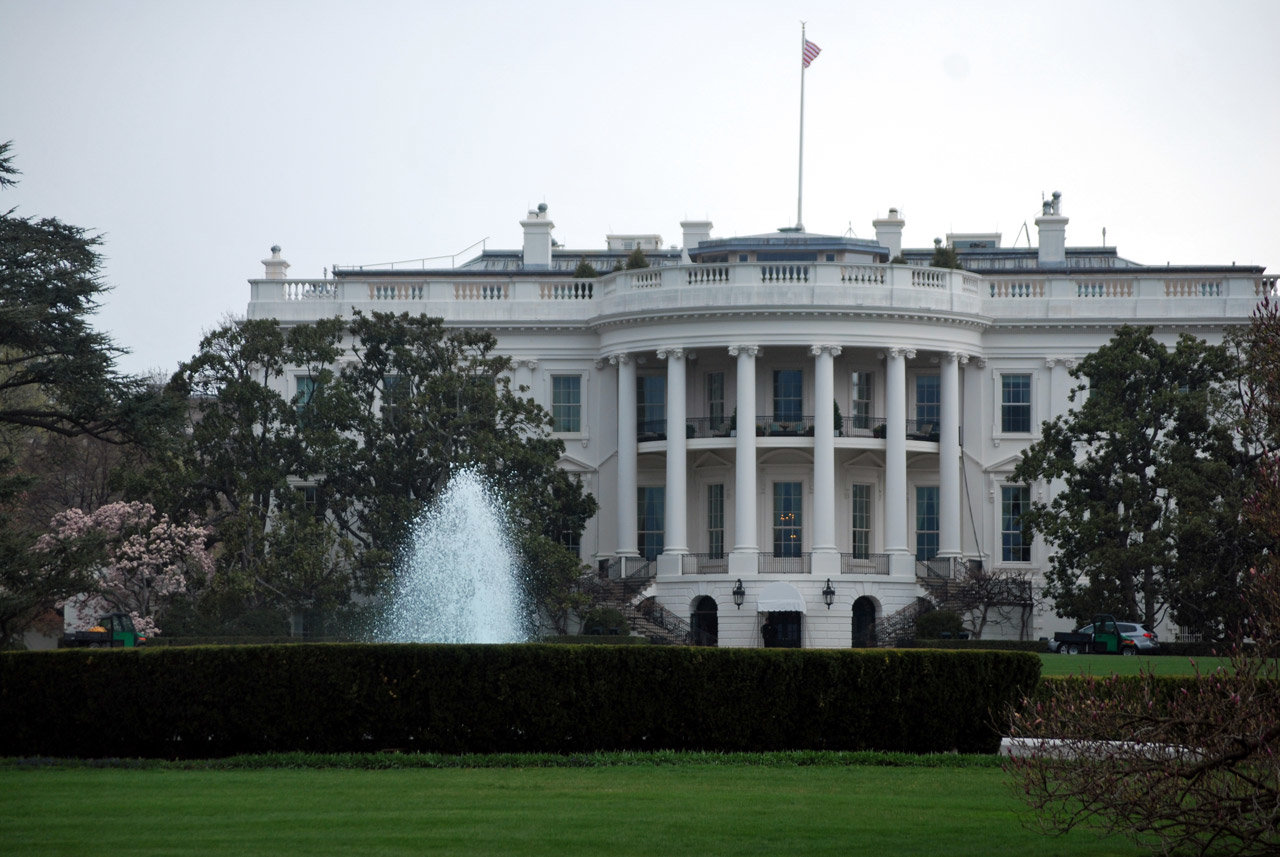
The White House has extended for another year the national emergency underpinning Commerce Department authority to review, mitigate or prohibit information and communications technology and services transactions, but a wording change in the renewal notice is prompting questions about whether the administration is trying to loosen the authority from its traditional “foreign adversary” frame.

A senior Aerospace Industries Association official is warning that mismatched U.S. export-control rules for missile-related technology could limit AUKUS cooperation in precisely the advanced-weapons areas the trilateral pact is meant to accelerate.

Continuing a a top-down policy of discouraging public participation in the policymaking process, the Bureau of Industry and Security will give the public only a brief window into its June 2 meeting of the Emerging Technology Technical Advisory Committee, continuing a broader shift toward more restricted industry-government engagement on export-control policy.

Congress is pressing the State Department to test whether Wassenaar and other multilateral export-control regimes can keep pace with the China technology-control fight. The amended MATCH Act shows where that concern is heading: less a general attack on multilateralism than an effort to force allied alignment on semiconductor manufacturing equipment, servicing and facility-specific restrictions where formal consensus regimes lag.

Export restrictions on critical raw materials have reached record levels, rising fivefold since 2009 and spreading beyond China to a broader group of resource-rich economies, according to new OECD research.

Canada’s proposed new controls on semiconductor and advanced-manufacturing technologies are another sign that the United States and its allies are building a parallel export-control architecture for sensitive technologies where the Wassenaar Arrangement cannot move quickly enough.
China imposed new dual-use export restrictions Friday on seven European entities, escalating Beijing’s use of export-control tools against foreign defense companies accused of supporting Taiwan’s military procurement.
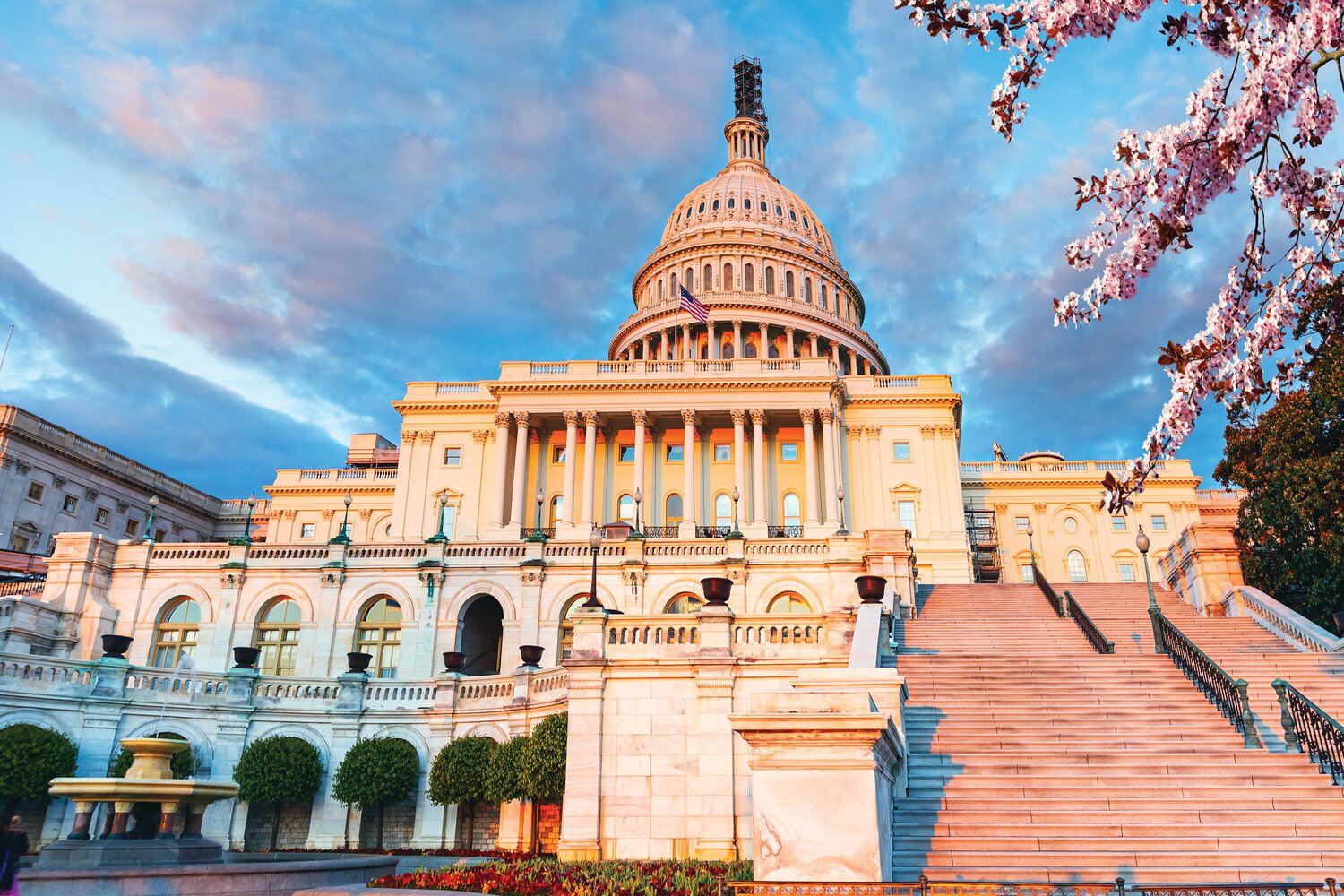
The House Foreign Affairs Committee has advanced a sweeping package of export-control legislation, moving a long list of bills that would tighten enforcement under the Export Control Reform Act, speed Entity List actions, expand BIS staffing authorities, modernize BIS systems, and add new controls and reporting requirements focused on semiconductors, artificial intelligence and synthetic biology.

Rep. John Moolenaar, R-Mich., chairman of the House Select Committee on China, has introduced legislation that would anchor U.S. AI-chip export policy to a rolling assessment of what China and other U.S. adversaries can already produce at scale, rather than to fixed technical thresholds set administratively. The Semiconductor Controls Adjusted to Limit Exports Act, or SCALE Act, was introduced April 15 and promoted by the committee April 21.
Kamo Kirakosyan pleaded guilty Wednesday to one charge linked to a criminal conspiracy to export goods from the United States to the Russian Federation through the Republic of Armenia.
Two new settlements Commerce's Bureau of Industry and Security reached with technology and defense companies came to light on Tuesday, as the agency posted a $1.7 million deal covering years of shipments to SMIC and a smaller deal addressing anti-boycott violations.
Commerce’s FY 2027 budget request would nearly double funding for the Bureau of Industry and Security to $450 million, but the department has yet to release the narrative justification showing how Under Secretary Jeffrey Kessler plans to use the increase. That omission has sharpened questions over whether the proposed expansion would chiefly bolster export enforcement or be spread across a broader national-security trade agenda.