
House Republicans are bracing for a high-risk floor week as Speaker Mike Johnson tries to move three politically fraught measures before the chamber leaves town: a longer-term extension of Section 702 of the Foreign Intelligence Surveillance Act, the 2026 farm bill and the Senate-passed budget reconciliation resolution intended to unlock funding for ICE and Border Patrol.
The Administration supports a multi-year extension of the African Growth and Opportunity Act trade preferences program, but is not ready to commit to the duration of renewal, US Trade Representative Jamieson Greer said this week.
The USMCA review is moving from scoping to negotiation with a hard new premise: the Trump administration is treating tariffs not as leverage to be bargained away, but as a permanent feature of North American trade policy.

The European Parliament and Council have reached political agreement on the EU’s most sweeping customs overhaul since the Customs Union was created in 1968, setting up a centralized customs authority, a single EU Customs Data Hub and a tougher regime for e-commerce imports.
Sen. Edward Markey is renewing pressure on major retailers and logistics companies to pass IEEPA tariff refunds through to the consumers and small businesses that ultimately paid the duties, moving the refund fight from abstract litigation to operational execution.
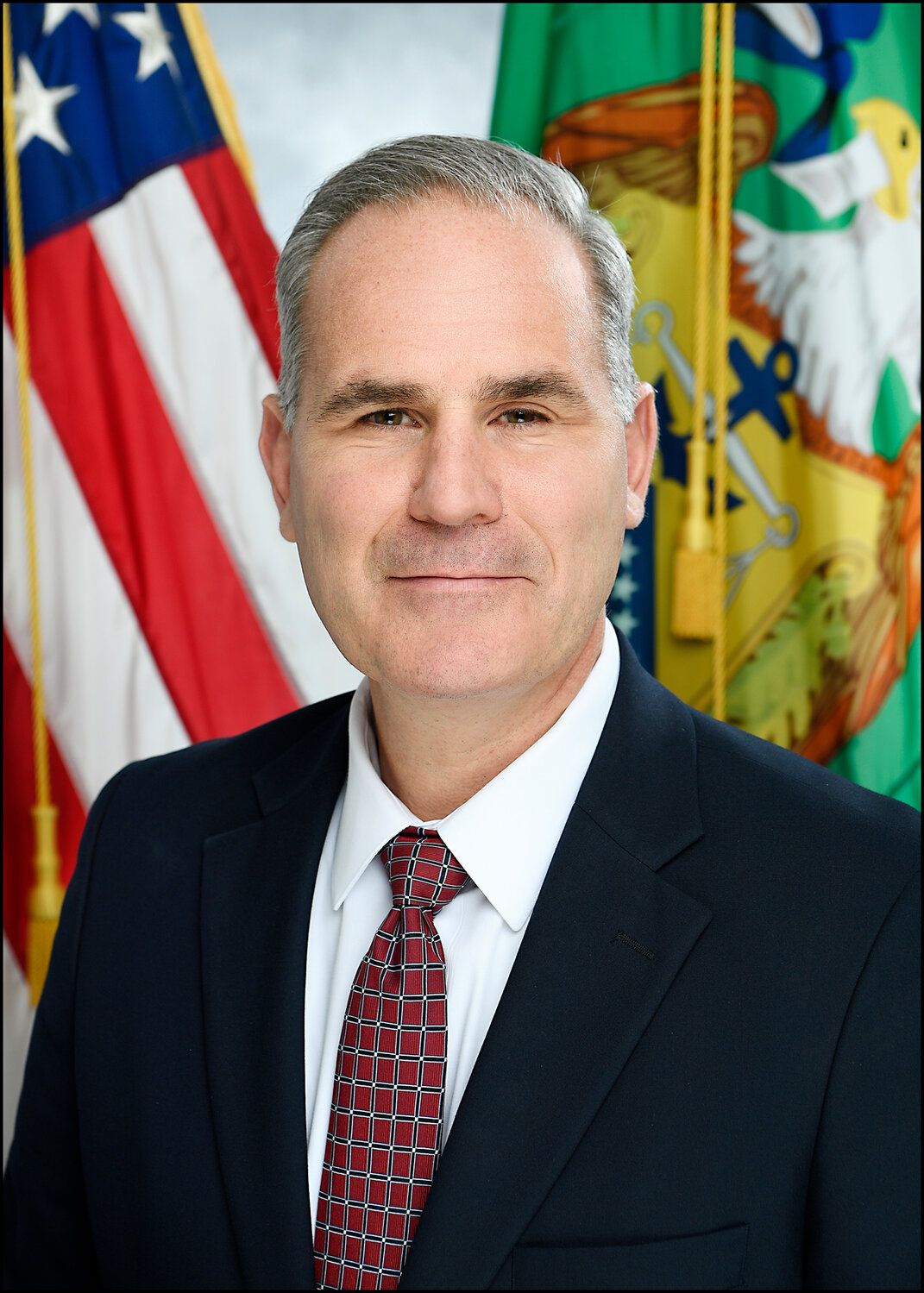
At the ACI CFIUS Conference on April 22, Assistant Secretary for Investment Security Chris Pilkerton used his first public remarks in the role to argue that Treasury is trying to pair a harder national-security edge with a more navigable investment-review process.
President Trump on April 20 issued five presidential determinations under Section 303 of the Defense Production Act, recasting major parts of the domestic energy system as capacity essential to national defense and directing the Energy Department to use DPA tools to expand them.

President Trump has formally determined that the “Board of Peace” is eligible to receive U.S. defense articles and defense services under Section 503(a) of the Foreign Assistance Act and Section 3(a)(1) of the Arms Export Control Act, according to a White House memorandum scheduled for publication in the Federal Register on April 24.
The House Foreign Affairs Committee has advanced a sweeping package of export-control legislation, moving a long list of bills that would tighten enforcement under the Export Control Reform Act, speed Entity List actions, expand BIS staffing authorities, modernize BIS systems, and add new controls and reporting requirements focused on semiconductors, artificial intelligence and synthetic biology.

The Commerce Department’s Bureau of Industry and Security is asking Congress for a major increase in fiscal 2027 funding that would nearly double the bureau’s overall budget and sharply expand its export-enforcement arm, underscoring the administration’s view that export controls and import-related national security reviews now sit at the center of economic security policy.

Rep. John Moolenaar, R-Mich., chairman of the House Select Committee on China, has introduced legislation that would anchor U.S. AI-chip export policy to a rolling assessment of what China and other U.S. adversaries can already produce at scale, rather than to fixed technical thresholds set administratively. The Semiconductor Controls Adjusted to Limit Exports Act, or SCALE Act, was introduced April 15 and promoted by the committee April 21.
The Trump administration currently is drafting a plurilateral agreement on critical minerals trade with key trading partners to lessen dependence on China, U.S. Trade Representative Jamieson Greer said Thursday.
Rep. Mark Alford, R-Mo., introduced a bill this week to compel the Committee on Foreign Investment in the United States to review all foreign transactions involving real estate, businesses, critical infrastructure or assets surrounding facilities associated with the US Nuclear Triad, retroactive to Jan. 1, 2017.
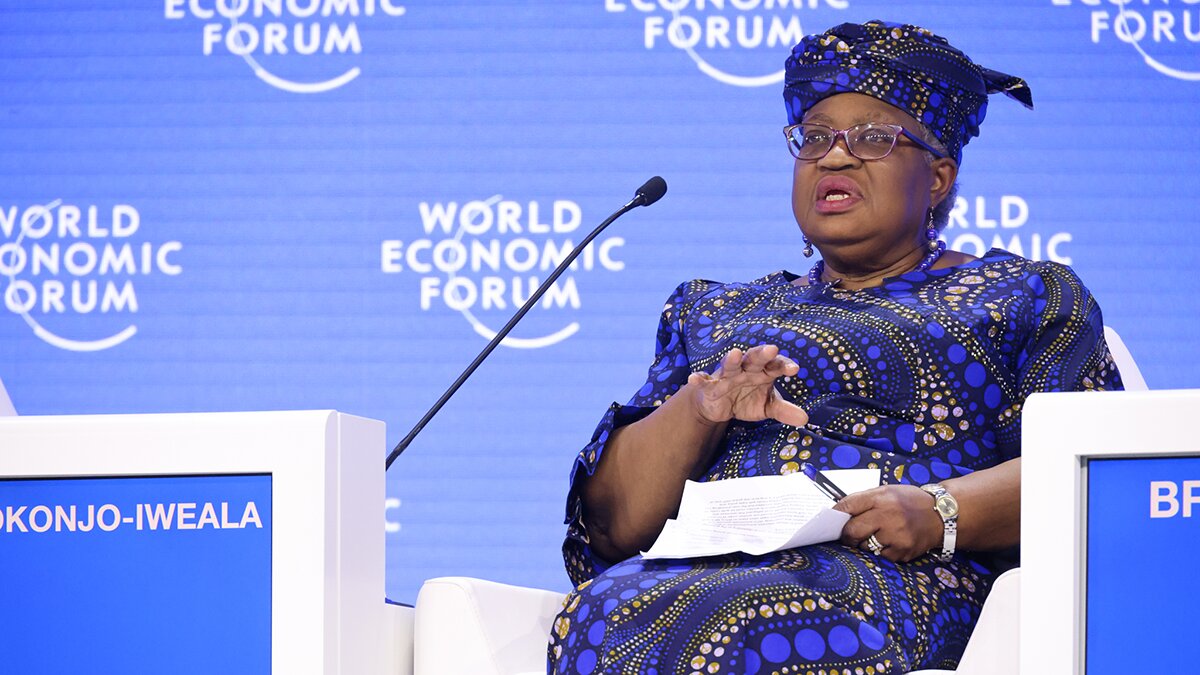
World Trade Organization Director-General Ngozi Okonjo-Iweala expressed confidence Tuesday that members will be able to reach an agreement to extend the prohibition on duties for electronic commerce transactions, but said it's better not to put a deadline on the negotiations.
President Trump has nominated finance executive Erin Browne to serve as Treasury Undersecretary for International Affairs. Ms. Browne is a managing director and portfolio manager at Pacific …

The global economy, already reeling from higher tariffs and greater uncertainty, now faces a major hurdle from the war in the Middle East that is likely to slow economic growth, the International Monetary Fund reported Tuesday.

On April 20 the U.S. Customs and Border Protection will open its much-anticipated refund portal for claiming back duties paid before the Supreme Court upended the President Trump's sweeping "reciprocal" and "fentanyl" tariff programs, the agency announced Friday afternoon.

The U.S. Department of Labor on April 8 unveiled a new set of voluntary tools aimed at helping American companies identify labor abuses in global supply chains and better comply with U.S. restrictions on imports tied to forced labor.
The Securities and Exchange Commission has named Gibson Dunn partner and former SEC official David Woodcock director of the Division of Enforcement, effective May 4, putting a veteran securities lawyer in charge as Chairman Paul Atkins continues to redirect the program toward investor-harm cases, individual accountability, and selected cross-border fraud matters rather than the higher-volume enforcement model of recent years.
Commerce’s FY 2027 budget request would nearly double funding for the Bureau of Industry and Security to $450 million, but the department has yet to release the narrative justification showing how Under Secretary Jeffrey Kessler plans to use the increase. That omission has sharpened questions over whether the proposed expansion would chiefly bolster export enforcement or be spread across a broader national-security trade agenda.