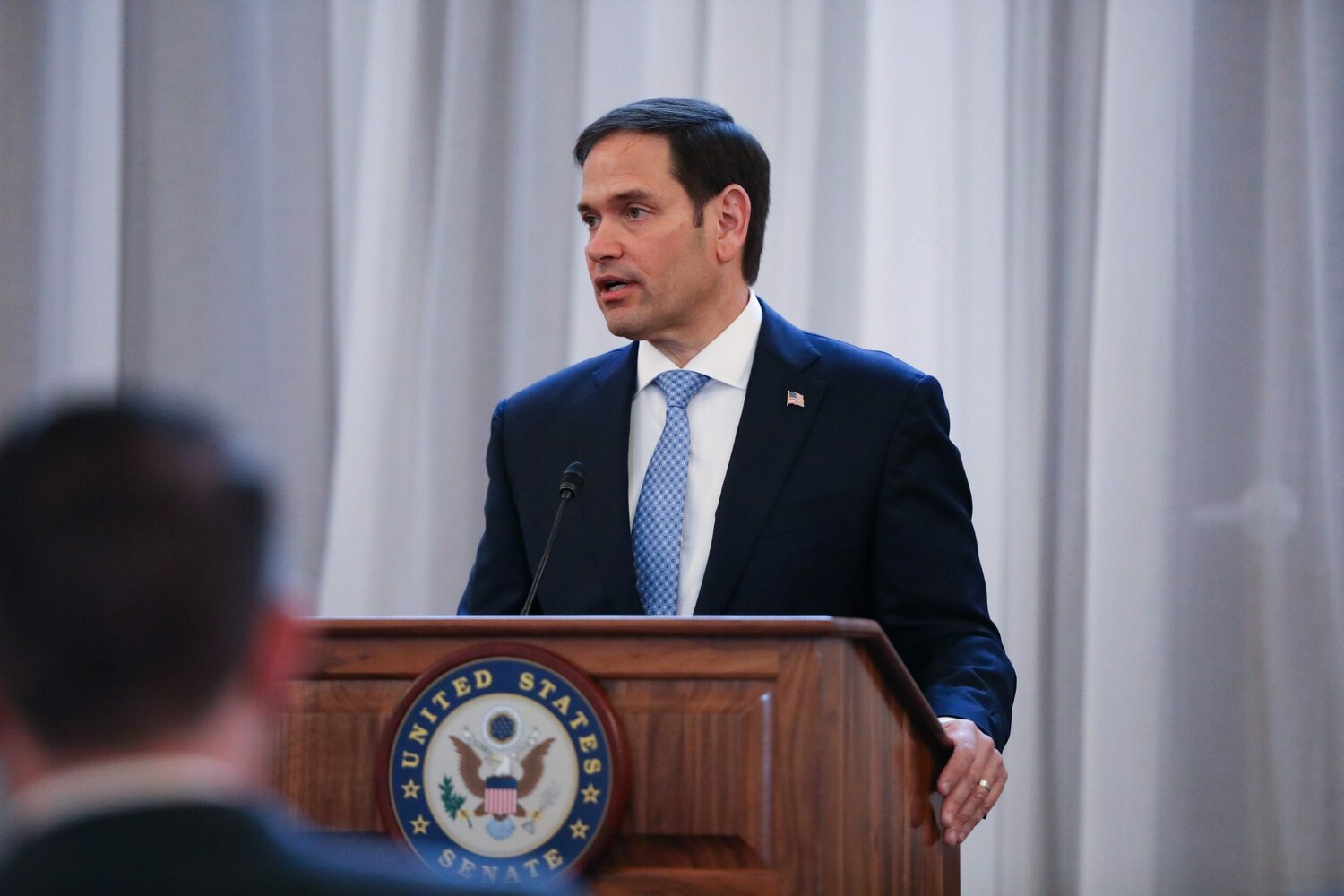
Representatives Max Miller (R-OH) and Jefferson Shreve (R-IN) introduced the Addressing Dangerous Vulnerabilities in Exports and Research to Strategic Adversaries, Regimes, and Industrial Entities of Security Concern Act (ADVERSARIES Act), legislation aimed at closing what lawmakers describe as a critical loophole in U.S. export-control authorities that has enabled China-linked firms to evade scrutiny.
The United States and the Republic of Korea formalized a sweeping Strategic Trade and Investment Deal this week, with both governments issuing a Joint Fact Sheet outlining commitments aimed at reducing non-tariff barriers, expanding market access for U.S. exporters, and deepening alignment on economic and national security policies.
The White House released the 2025 National Security Strategy on December 5, articulating what it calls “a renewed American grand strategy anchored in the defense of the Western Hemisphere,” while redefining U.S. priorities toward Europe, China, and global military commitments.

The ACI 42nd Annual FCPA and Global Anti‑Corruption Conference this week delivered twin signals: an intensification of enforcement risk in trade and tariff compliance, and a firm warning from DOJ to outside counsel about public commentary, suggesting reputational and perhaps prosecutorial consequences for perceived disloyalty to the department narrative.
U.S. Trade Representative Jamieson Greer said Thursday that the administration is prioritizing a stable trade relationship with China even as some allies urge coordinated pressure on Beijing. Greer said U.S.–China trade “probably needs to be smaller” and concentrated in non-sensitive categories to reduce mutual dependence.
Public hearings on the future of the United States-Mexico-Canada Agreement (USMCA) closed under sharply rising uncertainty about whether the pact will survive its 2026 renewal deadline.
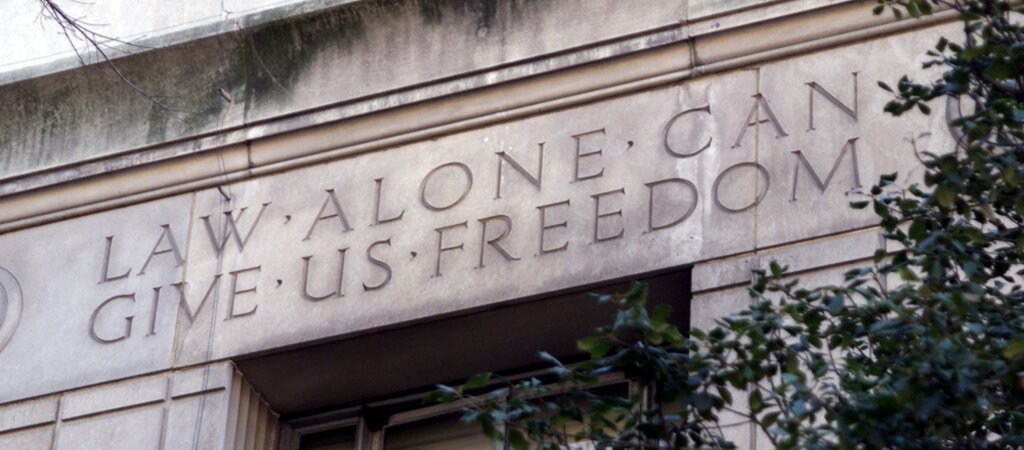
Acting Assistant Attorney General Matthew R. Galeotti used a recent address on health-care fraud to reaffirm the Criminal Division’s wider corporate-enforcement posture, emphasizing that voluntary self-disclosure remains the most direct avenue for companies seeking favorable treatment.

The United States and the United Kingdom announced an agreement in principle to realign pharmaceutical pricing and reinforce bilateral life-sciences investment, a central pillar of the new U.S.–U.K. Economic Prosperity Deal (EPD).
The Office of the U.S. Trade Representative (USTR) has extended all 178 active Section 301 product exclusions for Chinese-origin goods through November 9, 2026, formalizing a key element of the trade and economic agreement announced by Presidents Trump and Xi on November 1.
Prime Minister Mark Carney acknowledged Tuesday that his “Who cares?” response about the state of U.S.–Canada trade talks was “a poor choice of words,” offering a public correction after sustained attacks from Conservative Leader Pierre Poilievre in the House of Commons.
A new USDA report finds Türkiye has become a major platform for agricultural re-exports, importing raw commodities, processing them, and exporting billions of dollars in value-added products.
Deputy Assistant Attorney General Dina Kallay used her November 20 remarks to the Chatham House Competition Policy Conference to deliver a pointed warning about the competitive risks posed by international airline alliances and cross-border regulatory interventions.
The White House has launched the “Genesis Mission,” a sweeping federal initiative to accelerate artificial intelligence–driven scientific discovery, positioning the effort as a national mobilization comparable to the Manhattan Project. The initiative emphasizes export-controlled collaboration frameworks, standardized IP policies, rigorous vetting of outside partners, and coordinated funding opportunities to strengthen national security and U.S. technological leadership.
The facilitator of the World Trade Organization’s reform discussions has circulated a detailed assessment of members’ positions, highlighting deep divergences on decision-making, development, and leveling-the-playing-field issues—while leaving core crises such as dispute settlement largely untouched, according to a document seen by WTD.

The Commerce Department is preparing for a sharp increase in industry filings under the expanding Section 232 tariff regime but has offered no indication of how it will process the heavier workload.

South Africa’s G20 presidency closed with a declaration emphasizing solidarity, equality, and sustainability—principles the Trump administration rejected from the outset. The summit’s most visible marker was absence: leaders from six major economies, including the United States, China, and Russia, left empty seats in the room.
Washington’s alignment with Moscow in a low-profile UN vote underscores its policy shift as US officials move to broker a deal to end the war in Ukraine on Russia's terms.
The Congressional Budget Office has revised downward its projection of the budgetary impact of tariff actions taken in 2025, estimating that tariff increases in effect as of November 15 will reduce federal deficits by $3 trillion from 2025–2035 if maintained.
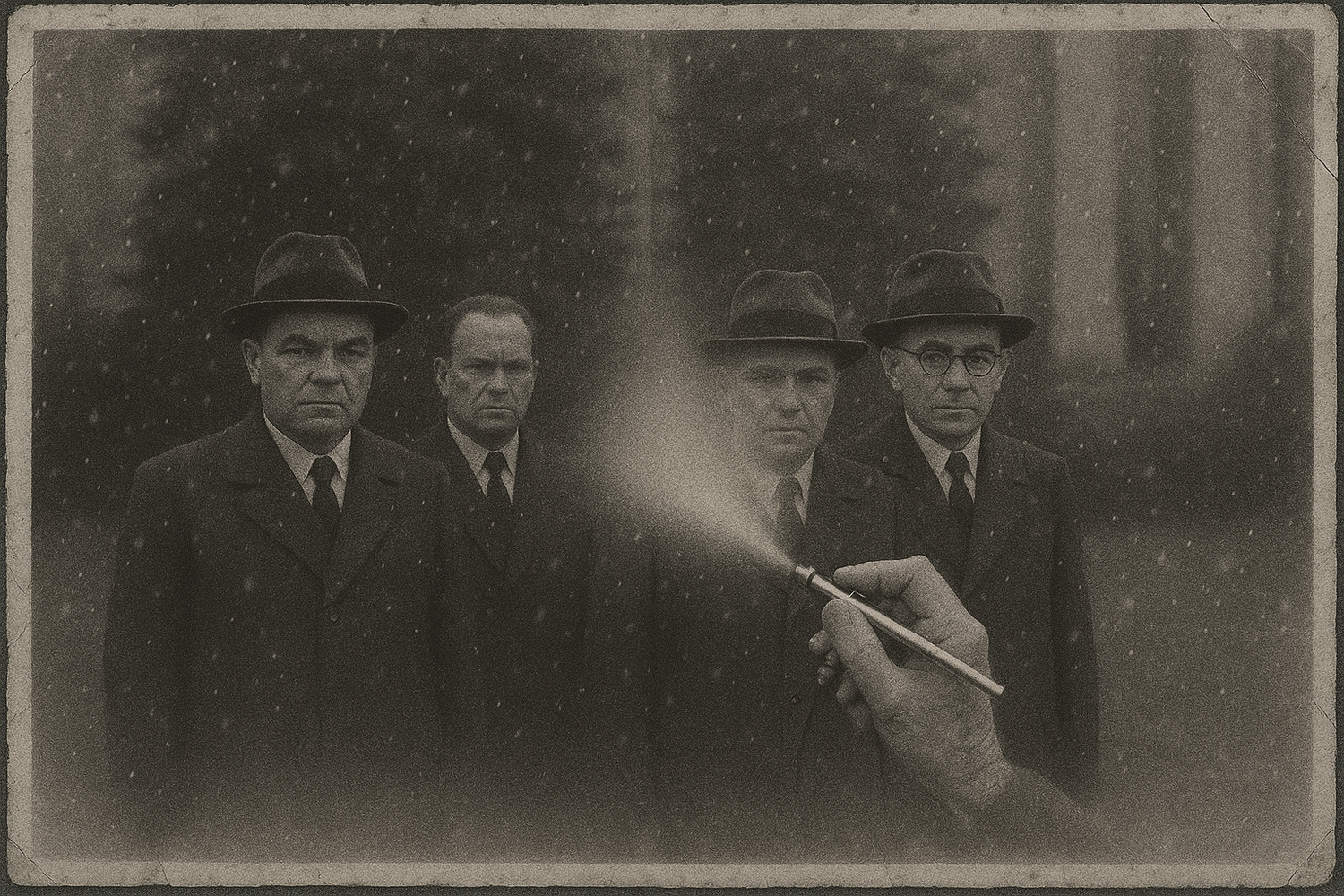
Over the past year, BIS has lost an unusually large share of its senior career leadership. Principal Deputy Assistant Secretary Matthew Borman—widely regarded by former officials as the bureau’s institutional anchor—was forced out in February, along with longtime national-security licensing chief Eileen Albanese.
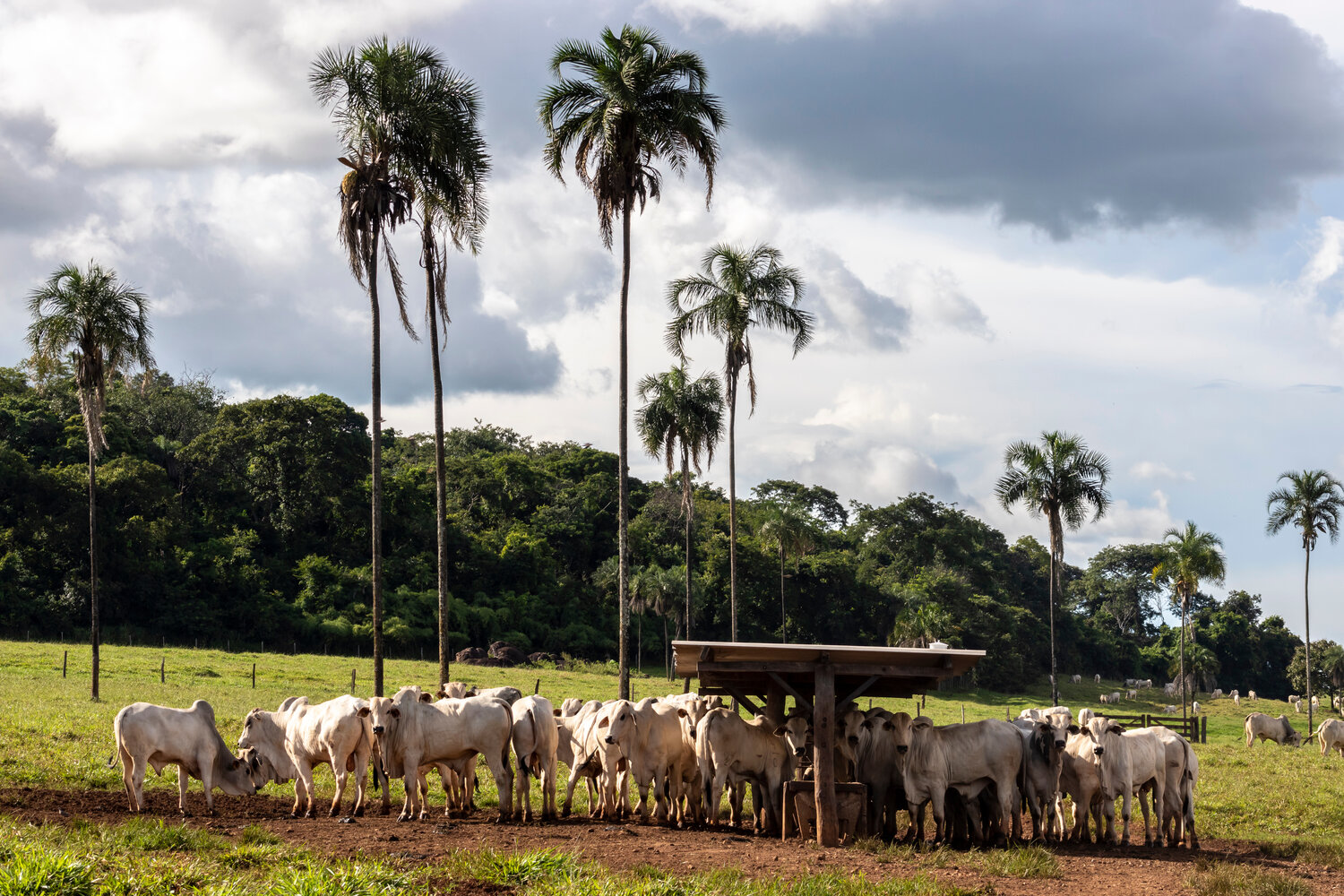
The White House has issued an executive order removing selected Brazilian agricultural products—including coffee and beef—from the 40 percent reciprocal tariff rate imposed under Executive Order 14323, citing progress in bilateral negotiations.