

Growing threats to undersea data and energy infrastructure in the Baltic Sea are prompting European governments to pursue new laws to prosecute foreign vessels suspected of sabotage, according to analysis by Dr. Pierre Thévenin of the Stockholm International Peace Research Institute.
The Commerce Department has formally launched the American AI Exports Program, an initiative directed by President Trump’s July executive order to promote U.S. artificial intelligence systems abroad and ensure global adoption of American technology standards.
Despite sweeping tariffs enacted by the Trump administration, U.S. merchandise imports rose sharply in the first half of 2025 while exports remained flat, widening the nation’s trade deficit in real terms.
China's escalating use of regulatory pressure and informal coercive measures to dissuade foreign companies from expanding advanced manufacturing operations in the United States, has prompted a peeved response from the White House.
The Office of the United States Trade Representative (USTR) has formally determined that the Government of Nicaragua engages in acts and policies that are “unreasonable and burden or restrict U.S. commerce,” citing widespread abuses of labor rights, human rights, and the rule of law under President Daniel Ortega’s regime.

The Trump administration is rapidly broadening tariff carveouts even as it deploys new duties under Section 232 of the Trade Expansion Act, signaling a strategic shift toward a managed exemption regime. While the administration continues to present tariffs as a pillar of national economic security, recent actions indicate increasing reliance on exemptions to shield politically sensitive sectors—and, critically, to insulate the U.S. defense industrial base from cost increases.

Rep. John Moolenaar (R-Mich.), chairman of the House Select Committee on the Chinese Communist Party, said Thursday that any licensing deal allowing China’s ByteDance to retain leverage over TikTok’s algorithm “would raise serious concerns,” warning that U.S. control must be absolute to protect national security.

The National Nuclear Security Administration (NNSA), the lone independent federal overseer of safety at U.S. nuclear-weapons sites, will lose its ability to issue formal safety recommendations as soon as January unless the Trump administration and Senate replenish the five-member board, which this month is expected to dwindle to a single member.

The International Maritime Organization’s Net-Zero Framework, long heralded as a breakthrough for maritime decarbonization, now faces a political crucible.

U.S. Treasury Secretary Scott Bessent escalated tensions with Beijing this week, adopting a combative tone in a nationally broadcast interview that Chinese state media condemned as “petulant” and “undiplomatic.”

Canada’s Industry Minister Mélanie Joly warned automaker Stellantis of potential legal action after the company confirmed plans to move Jeep Compass production from Brampton, Ontario, to Belvidere, Illinois — despite having received billions of dollars in Canadian subsidies.

Nearly the entire Pentgon press corps turned in their credentials in protest Wednesday, as the "War Department" imposed new conditions for continued access to reporting on the nation's military.
Speaking at the Peterson Institute for International Economics’ PI Insider Live event coinciding with the IMF–World Bank Annual Meetings, Maurice Obstfeld, former IMF Chief Economist and now C. Fred Bergsten Senior Fellow at PIIE, offered a sharp critique of the Trump administration’s tariff-based fiscal policy and its broader economic philosophy.
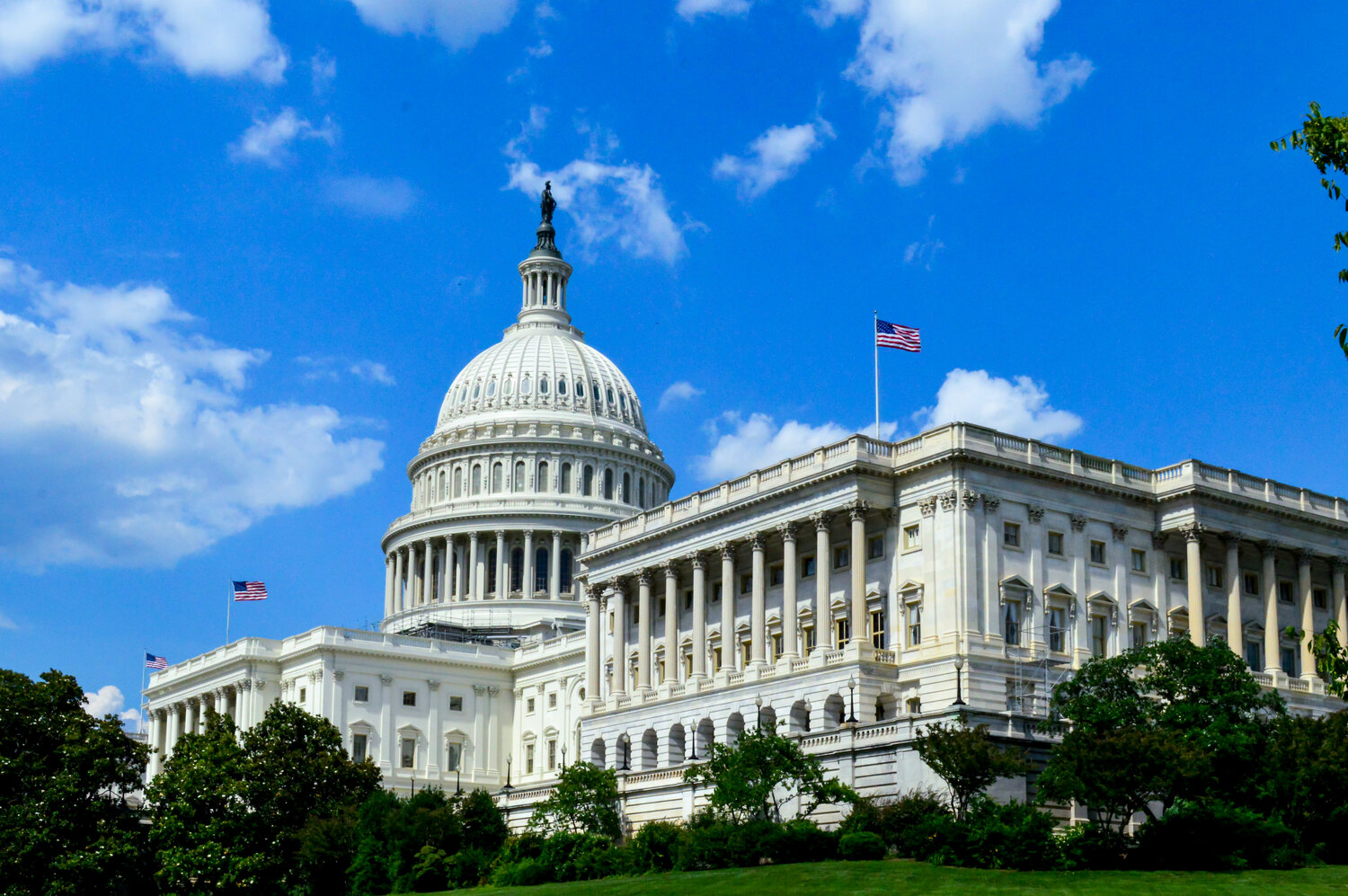
Senate Finance Committee Ranking Member Ron Wyden (D-Ore.) and Sen. Rand Paul (R-Ky.) on Thursday reintroduced legislation to repeal former President Donald Trump’s global tariff regime and restore Congress’s constitutional authority over trade.

Canadian Prime Minister Mark Carney concluded a two-day visit to Washington this week, pledging closer economic and security cooperation with the United States, though without announcing any binding trade agreements.

The World Bank Group will undergo major structural reforms designed to improve efficiency and streamline operations, according to an internal email sent by President Ajay Banga and obtained by Devex.

The European Commission has unveiled a proposal to safeguard the EU steel industry from the mounting effects of global overcapacity, replacing the steel safeguard measure due to expire in June 2026.
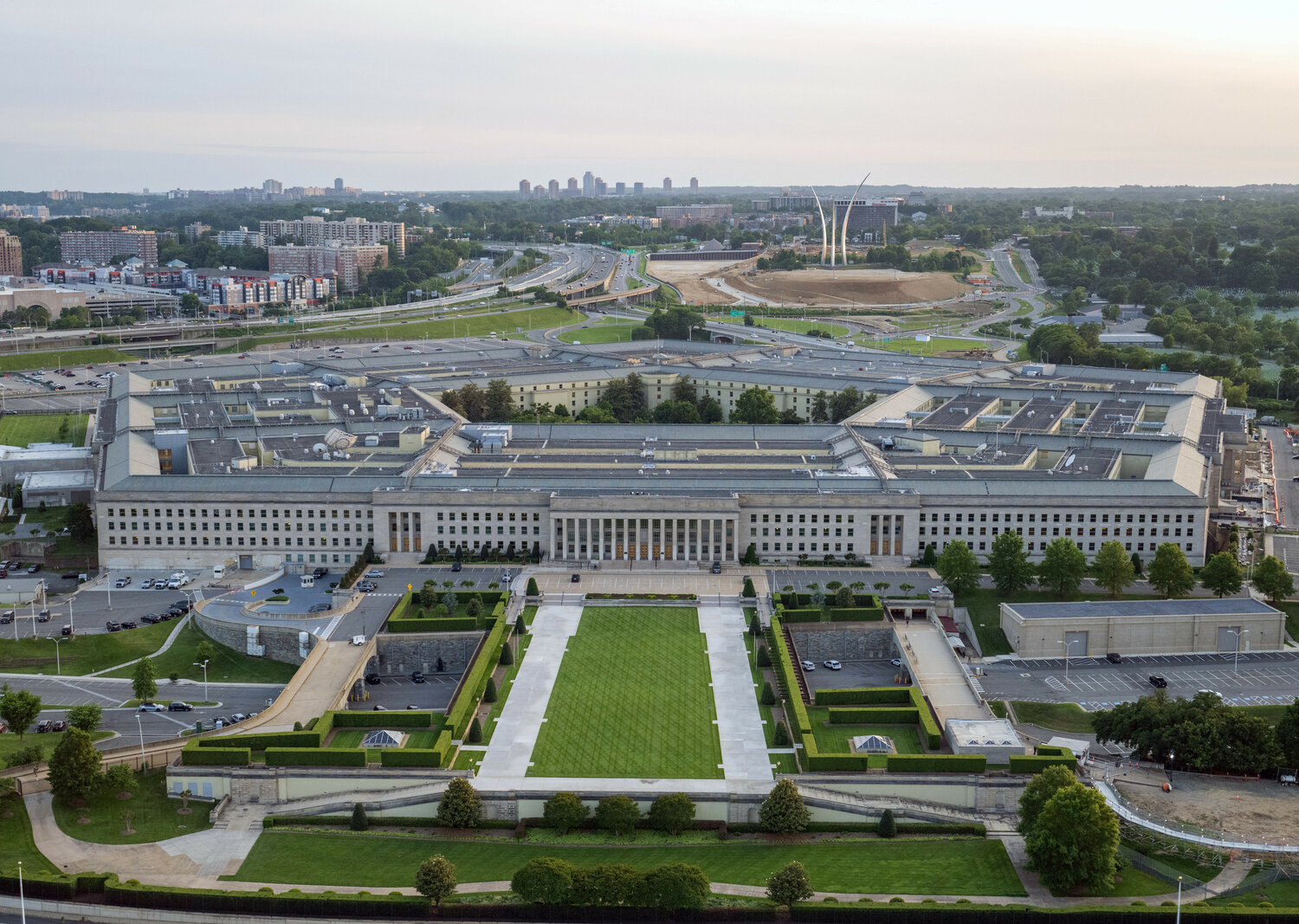
The Senate on Thursday night approved its version of the fiscal 2026 National Defense Authorization Act (NDAA), moving the $914 billion measure into conference with the House and setting up clashes over spending levels and national security policy.
The Data Security Program (DSP), finalized in April 2025 under Executive Order 14117, poses a broader and more punitive compliance regime than the Protecting Americans’ Data from Foreign Adversaries Act of 2024 (PADFAA), according to Ali Jessani and Sam Kane of WilmerHale, writing in Lawfare.

President Trump has issued Proclamation 10976 under Section 232 of the Trade Expansion Act, imposing sweeping tariffs on imports of timber, lumber, and derivative wood products after the Commerce Department determined such imports threaten U.S. national security.