
Global merchandise trade is now projected to expand by 0.9% in 2025, according to a World Trade Organization update, reversing the 0.2% contraction forecast in April but remaining well below the 2.7% pre-tariff estimate.
The United States will revise a July 31 executive order so that the effective tariff rate on most Japanese goods will be reduced, Japan’s chief negotiator Ryosei Akazawa said Thursday. The change aligns U.S. implementation with Japan’s interpretation of the July 22 trade agreement and with the method applied to European Union goods.
The Treasury Department’s Office of Investment Security has released the Committee on Foreign Investment in the United States (CFIUS) Annual Report to Congress for calendar year 2024, offering a detailed account of case volumes, sector trends, compliance enforcement, and emerging policy priorities.
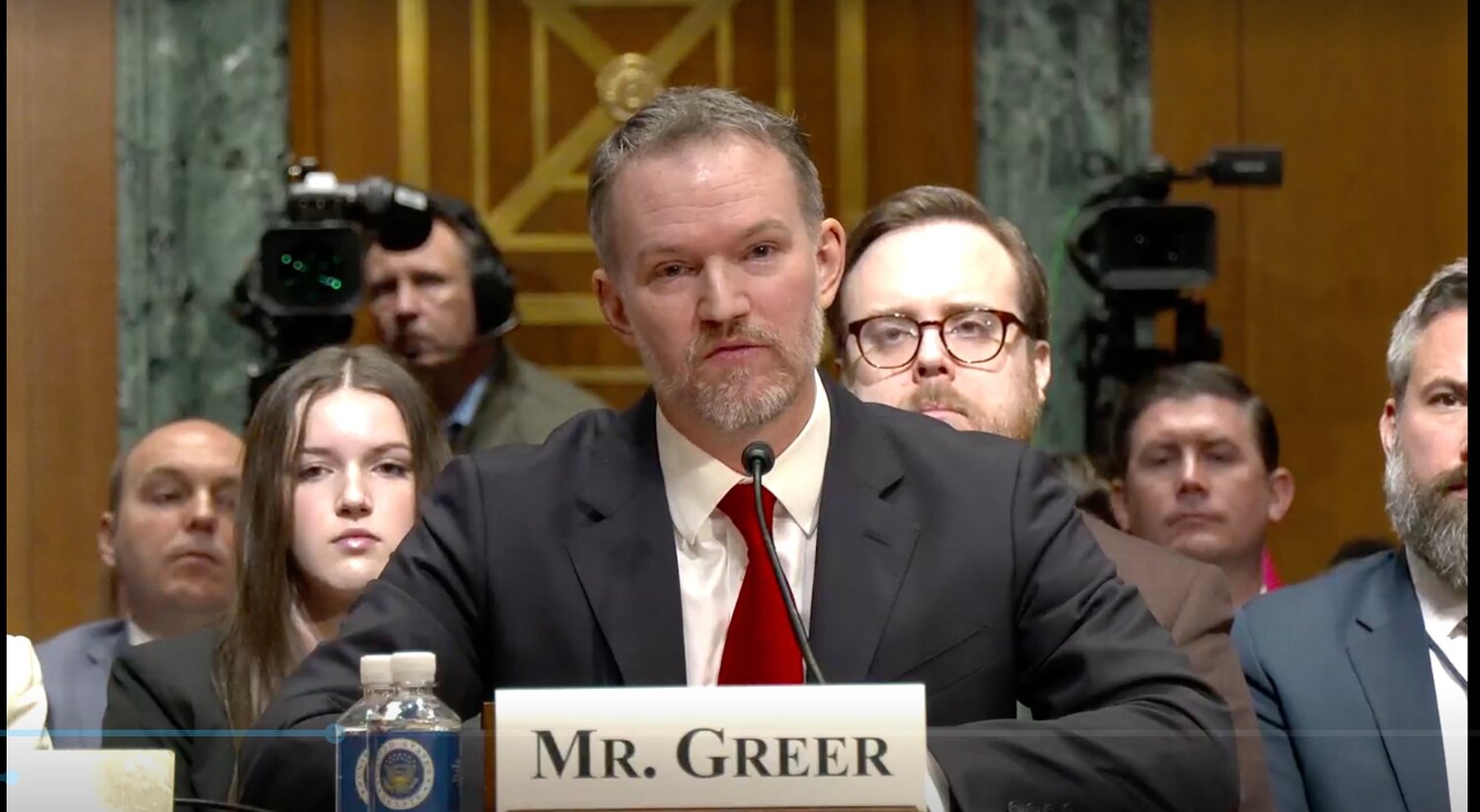
On the 200th day of President Trump’s second term, U.S. Trade Representative Jamieson Greer trumpeted the administration’s sweeping reconfiguration of the global trade system in an opinion piece titled “Why We Remade the Global Order”

Following a string of statements denouncing New Delhi's reliance on Russian oil, President Donald Trump increased tariffs on Indian exports via executive order Wednesday, a move the White House framed as "addressing threats to the United States by the Government of the Russian Federation."
U.S. Customs and Border Protection (CBP) released updated guidance on Monday evening ahead of the new “reciprocal” tariff rates taking effect Aug. 7 through its Cargo Systems Messaging Service.

Global services trade expanded by 5% year-on-year in the first quarter of 2025, half the growth rate seen in both 2024 and 2023, according to WTO-UNCTAD estimates.
The UK Treasury’s Office of Financial Sanctions Implementation (OFSI) has released its first Cryptoassets Threat Assessment Report, outlining risks facing digital asset firms under UK sanctions regimes.

The White House released a report from the President’s Working Group on Digital Asset Markets, calling for a "tailored" anti-money laundering (AML) framework for cryptocurrency and digital asset activities.

Members of the Congressional-Executive Commission on China (CECC) have introduced the Uyghur Genocide and Sanctions Accountability Act of 2025, a bipartisan measure that would expand existing sanctions and establish new reporting, procurement, and enforcement mechanisms targeting human rights violations in the Xinjiang Uyghur Autonomous Region of the People’s Republic of China (PRC).

The United States and European Union this week announced a landmark transatlantic trade deal intended to reset the terms of commerce between the world’s two largest economies. While the agreement features identical terms—covering tariffs, energy, digital trade, and strategic industrial goods—the official communications from Brussels and Washington differ sharply in tone, attribution, and strategic framing.

Senate appropriators have moved to restore funding for the Department of Commerce’s Traffic Coordination System for Space (TraCSS), a civilian space situational awareness (SSA) program previously slated for termination under the Trump administration’s FY26 budget proposal.
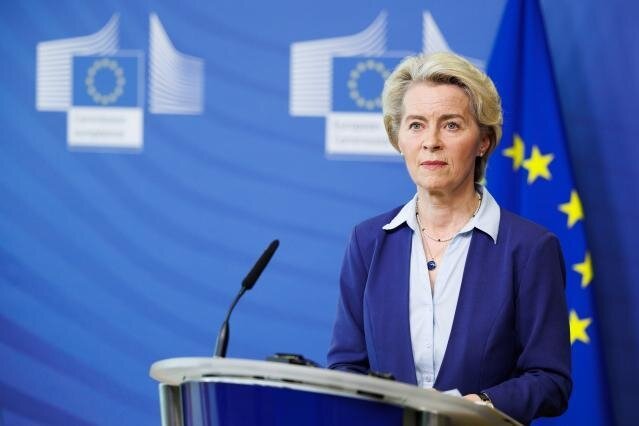
President Donald Trump and European Commission President Ursula von der Leyen will meet in Scotland on Sunday to talk trade, the EU leader said in a social media post Friday afternoon.
July 21, the House passed the OFAC Licensure for Investigators Act (H.R. 1450), which establishes a pilot program within the Office of Foreign Assets Control (OFAC) to permit licensed private firms to engage in nominal financial transactions with sanctioned entities for investigative purposes. Modeled after tools used by law enforcement to monitor financial accounts during investigations, the legislation aims to provide OFAC with a similar investigative mechanism, enabling more effective tracking of sanctioned networks and enforcement of U.S. sanctions.

Four Democratic members of the House Foreign Affairs Committee’s Bipartisan Arms Sales Task Force have introduced legislation aimed at closing an oversight gap in the U.S. arms export process. The Silver Shield Operational End Use Monitoring Act would establish a new monitoring framework to ensure U.S.-supplied weapons are not used in war crimes or violations of international law.
The Senate has passed S. 744, the Maintaining American Superiority by Improving Export Control Transparency Act, by unanimous consent on July 22. The bipartisan legislation, co-led by Senators Jim Banks (R-IN) and Mark Warner (D-VA), strengthens congressional oversight of U.S. export control decisions by requiring detailed annual reports on license applications and enforcement actions involving sensitive technologies.

The White House announced the terms of an agreement with Indonesia, the world's fourth most populous country. The framework eliminates nearly all Indonesian tariff barriers on U.S. exports and imposes a 19% tax on Indonesian goods imported into the United States.
The following nominations appear on the Executive Calendar for July 21, 2025. These individuals have been nominated by President Trump to fill key roles across the Department of Commerce, State Department, development finance agencies, and U.S. foundations: A nomination on the Senate Executive Calendar is procedurally eligible for confirmation by the Senate, but still requires scheduling and action by Senate leadership.

The U.S.-China Business Council (USCBC) released its 2025 Member Survey on Wednesday, revealing a steep decline in American companies’ confidence in the China market, driven by deteriorating trade relations, expanding export controls, and escalating industrial competition.

In response to sweeping new tariffs announced by President Donald Trump, key U.S. trading partners are preparing a range of retaliatory measures, escalating the likelihood of a global trade conflict by August 1. While many hope cooler heads will forstall a begger-thy-neighbor race to autarky, the dogged belief of Mr. Trump that import taxes are free money makes real the prospect of persistently high tariffs. In the face of such intransigence, trading partners may find retaliation a political necessity.