

German and Japanese automakers are realigning their strategies in response to new U.S. import tariffs on vehicles. German automakers report €500 million in additional costs in April alone, while Japanese automakers are maintaining unit volumes by cutting prices over 20 percent.

In remarks before the 62nd plenary of the Bank Secrecy Act Advisory Group (BSAAG), Deputy Treasury Secretary Michael Faulkender outlined the Trump Administration’s guiding principles for overhauling the Bank Secrecy Act (BSA) and modernizing anti-money laundering and countering the financing of terrorism (AML/CFT) regulations.
The U.S. Senate passed the GENIUS Act on June 17 by a vote of 68–30, establishing the first federal regulatory framework for stablecoins—digital tokens pegged to the value of the U.S. dollar. Companion legislation in the House of Representative, the Stablecoin Transparency and Accountability for a Better Ledger Economy Act of 2025 (STABLE Act) is more accomodating to Foreign issuers (for example Tether) and permits issuers to remain under state licensing indefinitely, regardless of size. The House is expected to take up and pass the Senate Act later in the Summer.

The trilateral Icebreaker Collaboration Effort (ICE Pact) with the US, Canada and Finland concluded a two-day summit in Ottawa focussed on four areas: information exchange, workforce development, allied engagement, and joint research.
Treasury Secretary Scott Bessent repeatedly denied that tariffs are taxes in an appearance before the Senate Finance Committee Thursday, saying there is no “empirical evidence” that prices are rising because of President Trump’s tariffs.
A federal appeals court has extended a stay on a lower court ruling that blocked President Donald Trump’s controversial use of the International Emergency Economic Powers Act (IEEPA) to impose tariffs, allowing the levies to remain in place pending further litigation.
Justice has reached a settlement with Epik Solutions, doing business as Epikso, after determining the company unlawfully excluded U.S. citizens and other work-authorized individuals from job …
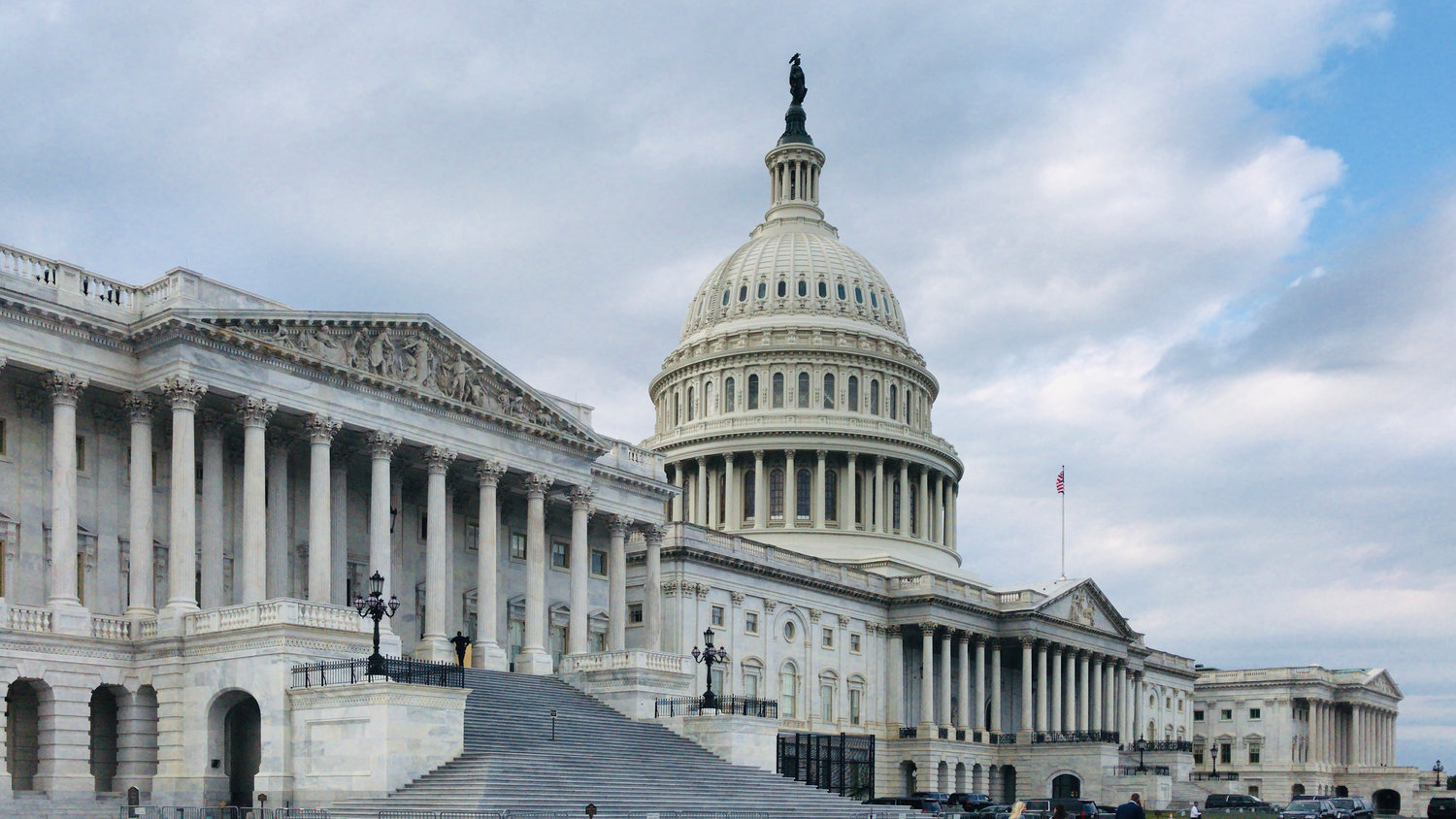
With this week's indictment of Crypto Bro Iurii Gugnin on half-billion-dollar money laundering, sanctions and export control charges, along with the release of revised and greatly loosened enforcement guidelines for the Foreign Corrupt Practices Act, we wanted to check in on the progress Congressional sponsors have made with the Guiding and Establishing National Innovation for U.S. Stablecoins (GENIUS) Act (S. 1582), which aims to establish the first federal regulatory framework for payment stablecoins.
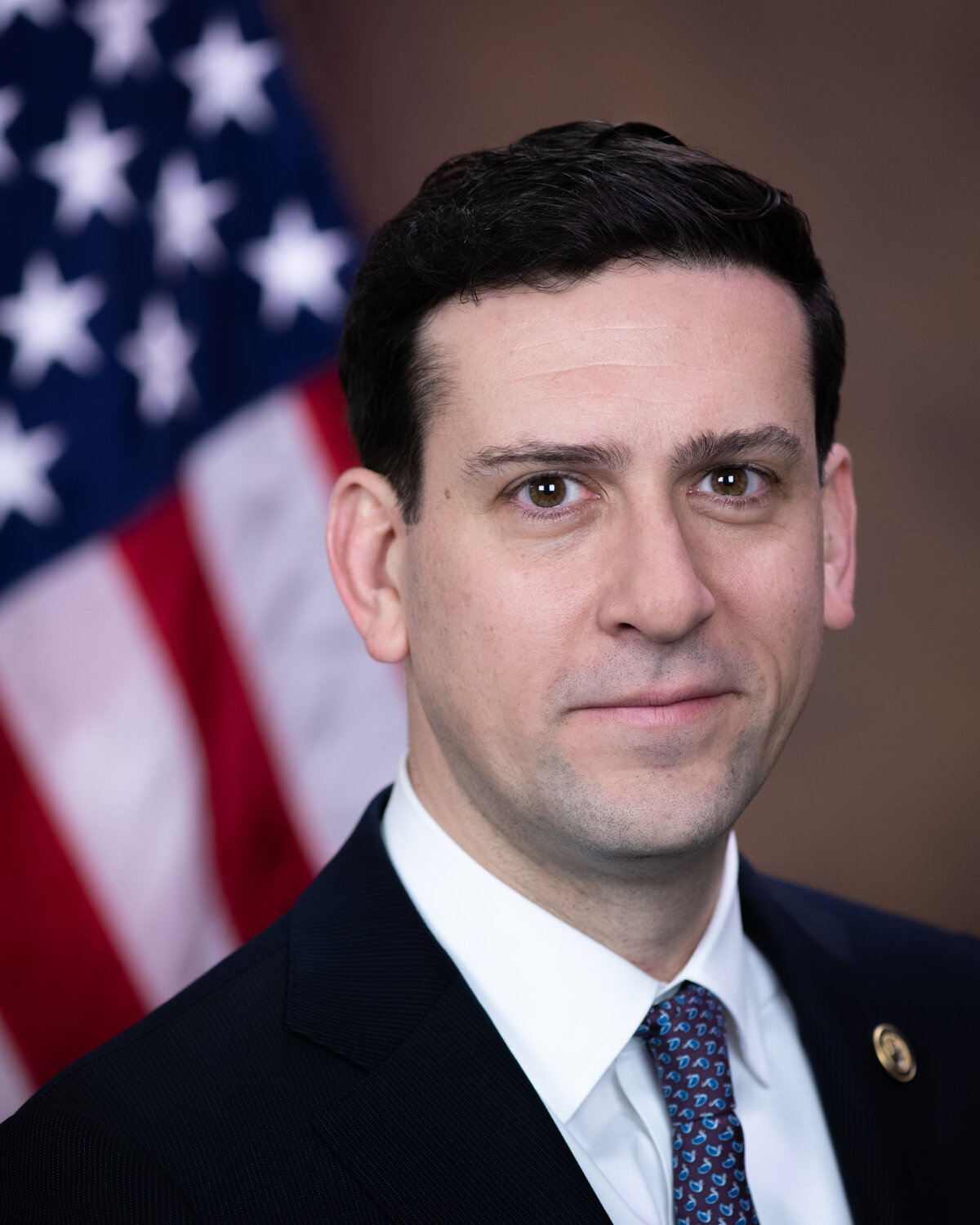
Head of the Criminal Division Matthew Galeotti discussed his newly released Foreign Corrupt Practices Act (FCPA) Enforcement Guidelines at the American Conference Institute (ACI) FCPA & Global Anti‑Corruption Conference in New York June 10. The guidelines, outlined in a June 9, 2025 memorandum from Deputy Attorney General Todd Blanche, direct prosecutors to pursue FCPA cases only when U.S. interests are demonstrably implicated.
Deputy Attorney General Todd Blanche has issued new enforcement guidelines governing the Foreign Corrupt Practices Act (FCPA), consistent with the President's mandate to give US firms more latitude to compete overseas. The new rules restore what the Administration has called the “proper bounds” of FCPA enforcement and reorient prosecutorial discretion toward conduct that demonstrably undermines American strategic and economic interests.

At the June 10 session of the Regulations and Procedures Technical Advisory Committee (RPTAC), Microsoft’s Global Trade legal team urged the Department of Commerce to adopt a more flexible and scalable approach to regulating exports of advanced artificial intelligence (AI) infrastructure and services.

In his presentation to the June 10 RPTAC, Omari Wooden, Assistant Division Chief, Trade Outreach and Regulations at US Census Bureau discussed the upcoming release of a final rule, clarifications on Automated Export System (AES) filing requirements, and modernization of the Census Bureau’s trade data tools.

The Trump administration has offered to scale back key export controls on advanced technologies as part of a renewed push to secure a comprehensive trade agreement with China, marking a significant shift in the use of national security tools as leverage in trade negotiations.
U.S. Senators Sheldon Whitehouse (D-RI) and Charles Grassley (R-IA) submitted formal opposition to a recent Interim Final Rule issued by the Financial Crimes Enforcement Network (FinCEN), which exempts domestic companies from beneficial ownership reporting under the Corporate Transparency Act (CTA).

The EU Court of Justice recommended dismissing Zippo Manufacturing Co.’s legal challenge against EU retaliatory tariffs on U.S. goods, reinforcing the European Commission’s authority to impose such duties under international trade law.
President Trump issued a sweeping new immigration proclamation on Tuesday evening, reinstating and expanding entry restrictions for nationals of 19 countries deemed to pose heightened risks to U.S. national security, public safety, or immigration law compliance.

As announced last week, the Trump Administration doubled tariffs on imported steel and aluminum from 25% to 50%. Canada, as the largest supplier of aluminum and a major exporter of steel to the U.S., is expected to be significantly affected.
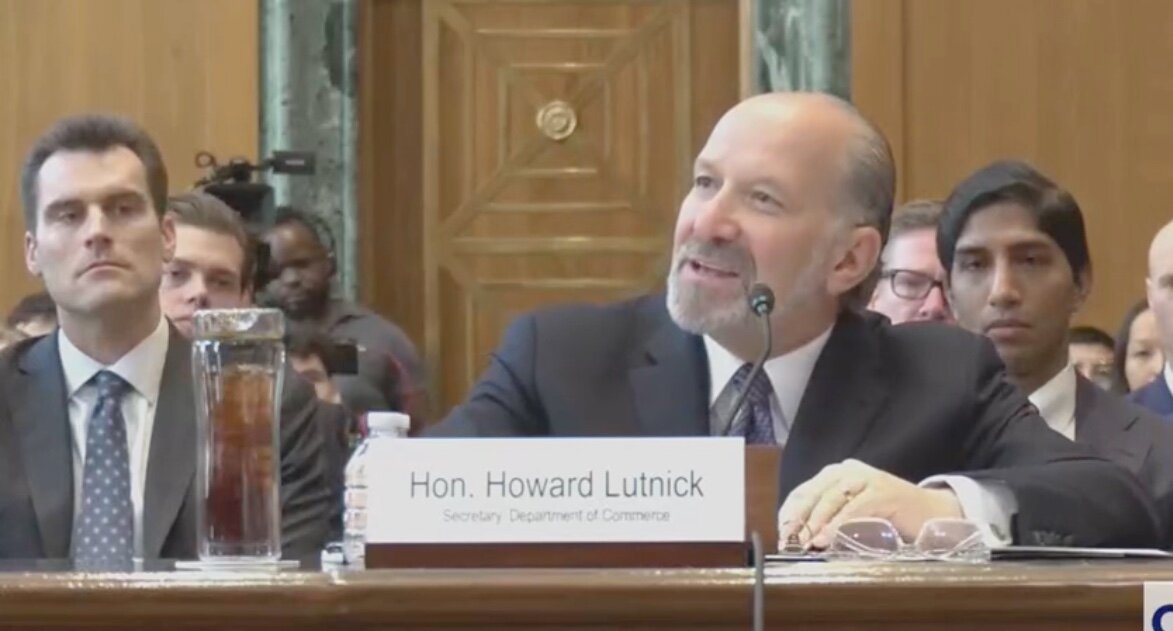
On June 4, 2025, Commerce Secretary Howard Lutnick testified before the Senate Appropriations Subcommittee on Commerce, Justice, Science, and Related Agencies, addressing the Department of Commerce’s Fiscal Year 2026 budget request. “We are absolutely seeking reciprocity with respect to things that can be reciprocal,” the Secretary said.
The American Bankers Association (ABA) has formally requested additional guidance from the U.S. Department of the Treasury’s Office of Foreign Assets Control (OFAC) regarding its final rule extending recordkeeping requirements to ten years for sanctions compliance purposes.
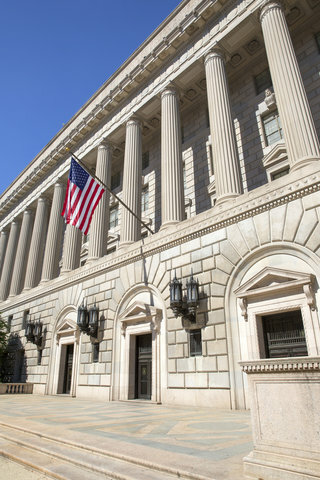
Federal counterterrorism and financial intelligence enforcement activities face markedly lower funding in the "Big Beautiful Bill" budget under consideration in the Senate. While Commerce is asking for an increase in BIS funding, other areas, including export promotion, are being gutted.