

With diesel up 52%, fertilizer supplies disrupted and export markets bruised by tariff retaliation, Washington is pressing Lithuania to facilitate Belarusian potash exports despite its security concerns and EU sanctions obligations.

Although both sides see value in managing risks from increasingly powerful AI systems, disputes over leadership, participation and scope—as well as broader tensions over technology and trade—threaten to leave the summit without a substantive AI agreement.

President Trump has ordered the Pentagon to develop plans for sweeping changes to naval construction and maintenance, including purchases from foreign shipyards, a fifth public Navy yard and …
ITIF portrays the $21.7 billion in fines as money diverted from American innovation, but the penalties resulted from companies violating foreign laws.

The White House’s “Great Transshipment Scam” report casts lawful sourcing shifts and trade involving Chinese inputs as potential customs fraud. Deborah Elms argues that this expansive definition could criminalize legitimate commerce, raise costs and drive further supply-chain disruption—much of it prompted by Washington’s own uneven tariffs.

After asking the industry what the stablecoin law should mean, Treasury has proposed an 87-page rule that would determine when minting, listing and advertising a token crosses into regulated U.S. activity. The measure converts last September’s broad request for ideas into a detailed compliance regime for issuers, exchanges and other digital-asset businesses.

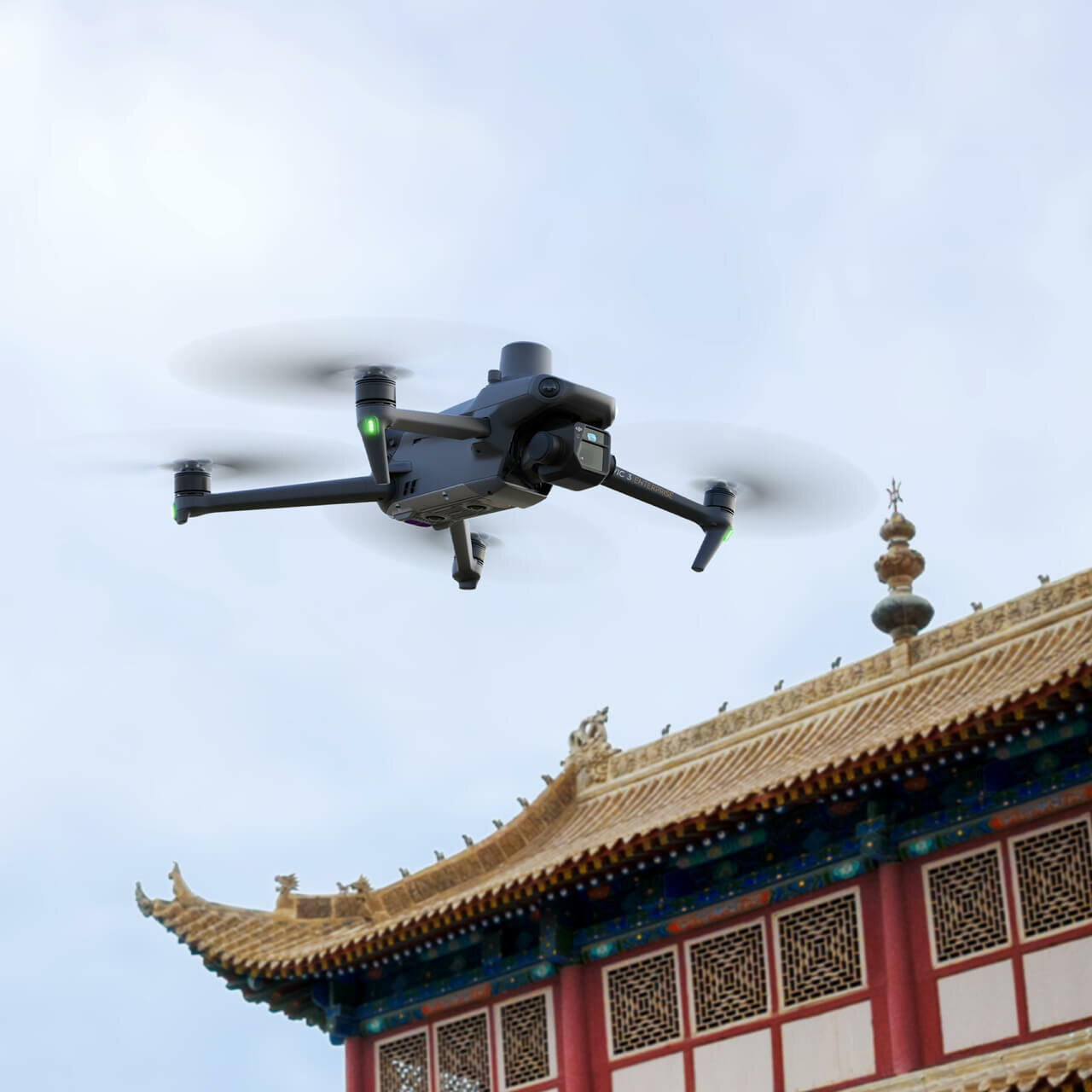
While the duties could benefit domestic manufacturers, they may also raise costs for American businesses that rely on imported aircraft and components for agriculture, construction, emergency response and other commercial operations.

The decision preserves higher costs and increased customs requirements for low-value imports—including packages shipped by retailers such as Shein and Temu—until Congress’s permanent repeal takes effect in July 2027. It also establishes that, although the Supreme Court barred Trump from using IEEPA to impose tariffs, the law may still support other trade restrictions by allowing the president to withdraw an existing import “privilege.”
President Trump has extended for one year the national emergency underpinning portions of the United States’ export-control regime, according to a notice scheduled for publication in the Federal …
The memorandum marks a shift in U.S. cyber policy by allowing vetted companies to move beyond defending networks and sharing intelligence to participating directly in federally authorized operations against overseas criminal groups. It raises legal and diplomatic questions about accountability when operations go wrong.

The report lays the groundwork for tougher U.S. customs enforcement against both Chinese exporters and the intermediary countries and companies accused of helping them evade tariffs.

The Trump administration’s 2026 regulatory agenda signals a targeted expansion of U.S. trade and economic-security controls, led by the suspension of duty-free de minimis treatment, a replacement framework for artificial-intelligence export controls, new restrictions on critical technologies and military end users, statutory outbound-investment screening, and significant ITAR revisions.

Sens. Mark Warner, D-Va., and Jon Husted, R-Ohio, have introduced four bipartisan measures …

The ruling gives foreign companies a potentially powerful basis to defeat U.S. lawsuits arising from overseas disputes, even when they maintain substantial American operations. However, U.S. courts may confirm treaty-governed arbitral awards against foreign sovereigns without a separate U.S. nexus.

By targeting pharmaceutical licensing deals, joint ventures and equity investments with Chinese covered foreign persons, the bill reflects a broader Washington judgment that drug discovery, clinical development and biologics manufacturing are no longer purely commercial life-sciences activities but strategic capabilities that can create dependency, military-readiness and supply-chain risks.

The move reverses a central element of a landmark anti-money-laundering law designed to expose the individuals behind anonymous shell companies. While Treasury says the change will relieve millions of legitimate small businesses of an unnecessary compliance burden, financial-crime experts warn it will create a major blind spot for banks and law-enforcement agencies investigating corruption, fraud, sanctions evasion and terrorist financing.
Congressional pressure on the Commerce Department’s Bureau of Industry and Security intensified Monday as the Republican chairman of the House Select Committee on China joined Democratic Sen. …

The figures show CFIUS clearing routine deals quickly while intensifying scrutiny of harder cases. More declarations became full reviews, withdrawals and extensions increased, and enforcement shifted toward mandatory-filing violations—even as Treasury developed a faster path for vetted allied investors.
Michael Faulkender and Robert Wilkie’s call for AI oversight—and Emily Kilcrease’s critique—show how thoroughly the AI debate has become a debate about national power.
The commission’s equipment-authorization system is becoming a powerful import control for connected technology, extending national-security regulation into energy, robotics, cloud infrastructure and consumer products.