
A new report warns that Chinese state-supported e-commerce giants pose a strategic threat to American technological leadership, economic competitiveness, and consumer protection, and that it is by design. Writtten by Eli Clements at the ITIF's Center for Data Innovation, the report—How China’s State-Backed E-Commerce Platforms Threaten American Consumers and U.S. Technology Leadership—details how Chinese platforms such as Temu, SHEIN, and AliExpress are gaining global market share through extensive government support, including subsidies, regulatory advantages, and access to state-run logistics and data systems.

Citing the "tremendous progress" his team has made, President Trump issued a second executive order delaying the enforcement of a nationwide ban on TikTok, despite the statutory limit allowing only a single extension. The new order, signed on April 4, extends the ban’s implementation by another 75 days, exceeding the authority outlined in the Protecting Americans From Foreign Adversary Controlled Applications Act (PAFACA).
Bipartisan outcry over proposed cuts to the budget of the Bureau of Industry and Secutiry (BIS) [13631] is building, as appropriators and industry begin to grasp both the magnitude and the administrative ruse involved.

The afternoon of his inauguration, January 20, President Trump issued his America First Trade Policy, calling for his Secretaries of Commerce and Treasury to prepare a broad array of comprehensive reports for his review by April 1. Following a ruthless purge of the ranks of career civil servants customarily involved in the preparation of such studies, it is an open question how thorough and well informed the reports are.
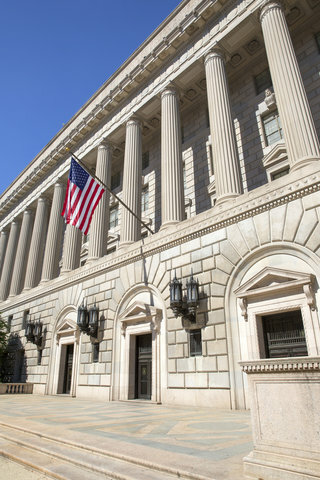
Current planning documents in the Trump White House reportedly call for staff reductions of 30 percent at the Commerce Department.. Earlier reporting had cited a goal at Commerce to slash 20 percent of workers, or nearly 10,000 employees.
The Bureau of Industry and Security (BIS) may be preparing for the elimination of the Technical Advisory Committees (TACs) which have long defined the collaborative nature of export enforcement and trade security. Of the six TACs chartered, only one, Emerging Technologies, has successfully held a meeting this year. All other TACs have cancelled or postponed meetings for the first quarter.

President Trump announced Wednesday that the United States will impose a 25% tariff on imported automobiles and automobile parts, including engines, transmissions, and electrical components, beginning April 3, 2025. The decision follows a renewed determination that such imports threaten national security by undermining the domestic automotive industrial base.

President Trump signed an executive order Tuesday authorizing a 25 percent tariff on imports from countries that continue to import Venezuelan oil, either directly or indirectly. The proposed levies would increase the cost of goods imported from China to nearly 50 percent.

The U.S. Chamber of Commerce and the American Chamber of Commerce to the EU (AmCham EU) have released The Transatlantic Economy 2025 , the 22nd edition of their annual report detailing the strength …
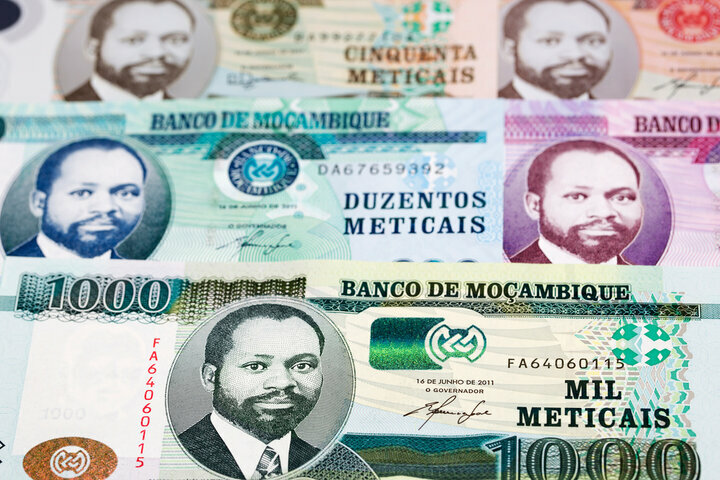
The Export-Import Bank of the United States (EXIM) Board of Directors has unanimously approved a second amendment to a direct loan of up to $4.7 billion to support the export of U.S. equipment and services for an integrated liquefied natural gas (LNG) project in Mozambique. Originally authorized in 2019, the transaction had been delayed for four years and now moves forward with no material changes.
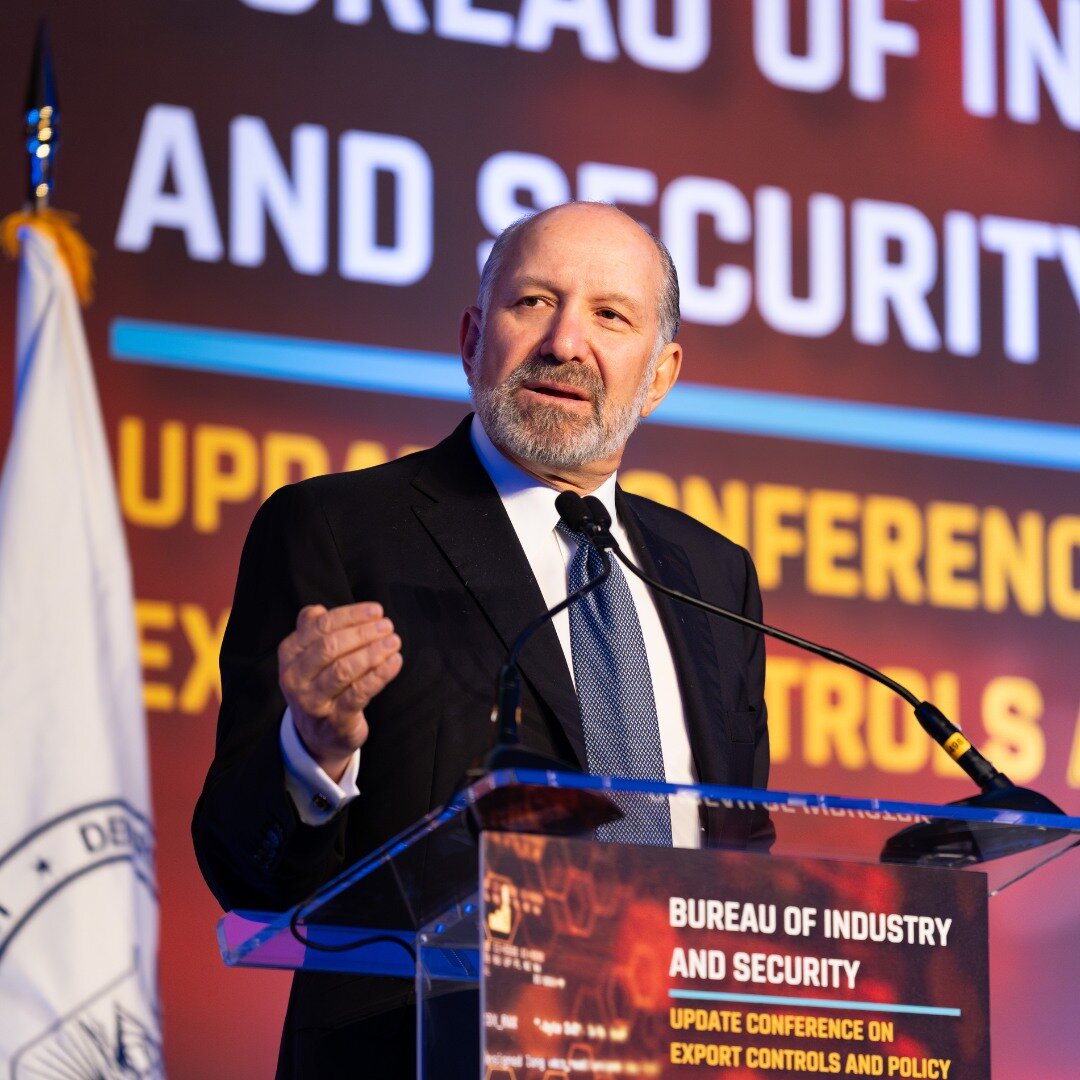
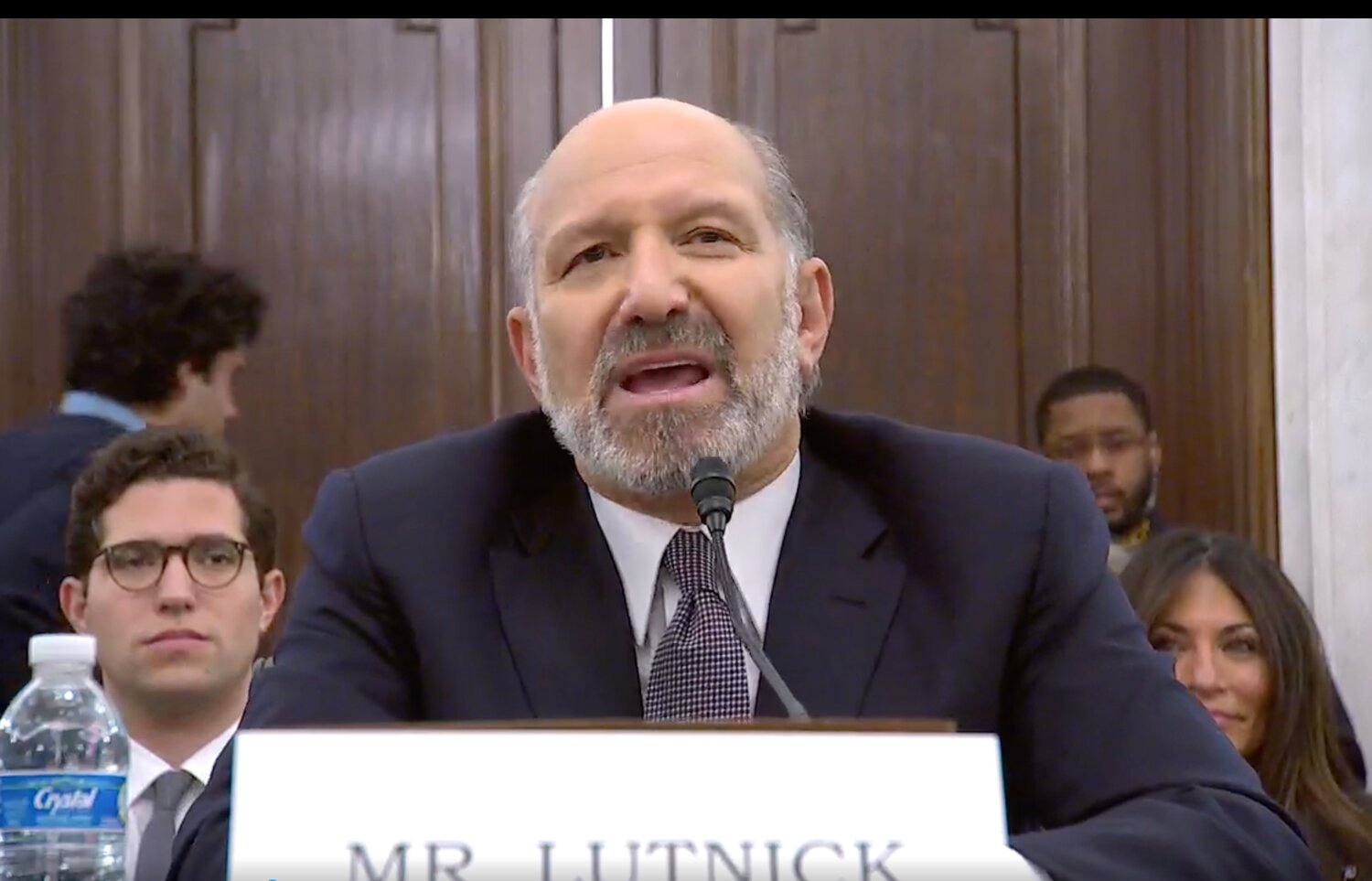
Secretary of Commerce Howard Lutnick told trade practitioners to expect a significant increase in fines for export control violations and he called called for expanded cooperation with industry and allied governments to stem the flow of U.S. semiconductor technology to China. Speaking at the Bureau of Industry and Security (BIS) Update Conference, Lutnick directly accused Chinese artificial intelligence firm DeepSeek of acquiring U.S. chips through improper channels. “People took our chips and redirected them to China for money,” he said. “Sometimes it’s not that much money, and sometimes it’s a lot of money, but they’re seeking to destroy our way of life by assisting those who are against it.”
Following Senate action last week, House Republicans reintroduced the bipartisan Foreign Investment Guardrails to Help Thwart (FIGHT) China Act. The legislation establishes a "comprehensive outbound investment screening regime that protects the savings and retirement accounts of hardworking Americans. The bill creates targeted restrictions to ensure U.S. investors are not unwittingly financing the CCP’s military and surveillance capabilities."
Responding to the Trump Administration's recent endorsement of foreign corrupt business practices, three leading European anti-corruption agencies announced the formation of a collaborative effort to maintain law and order in the public integrity sphere.

The Office of the United States Trade Representative (USTR) will hold a public hearing on March 24 and 26, 2025, as part of its Section 301 investigation into the People’s Republic of China’s targeting of the maritime, logistics, and shipbuilding sectors. While the hearing is on the record, external cameras and video recording are prohibited, and proceedings will not be livestreamed.
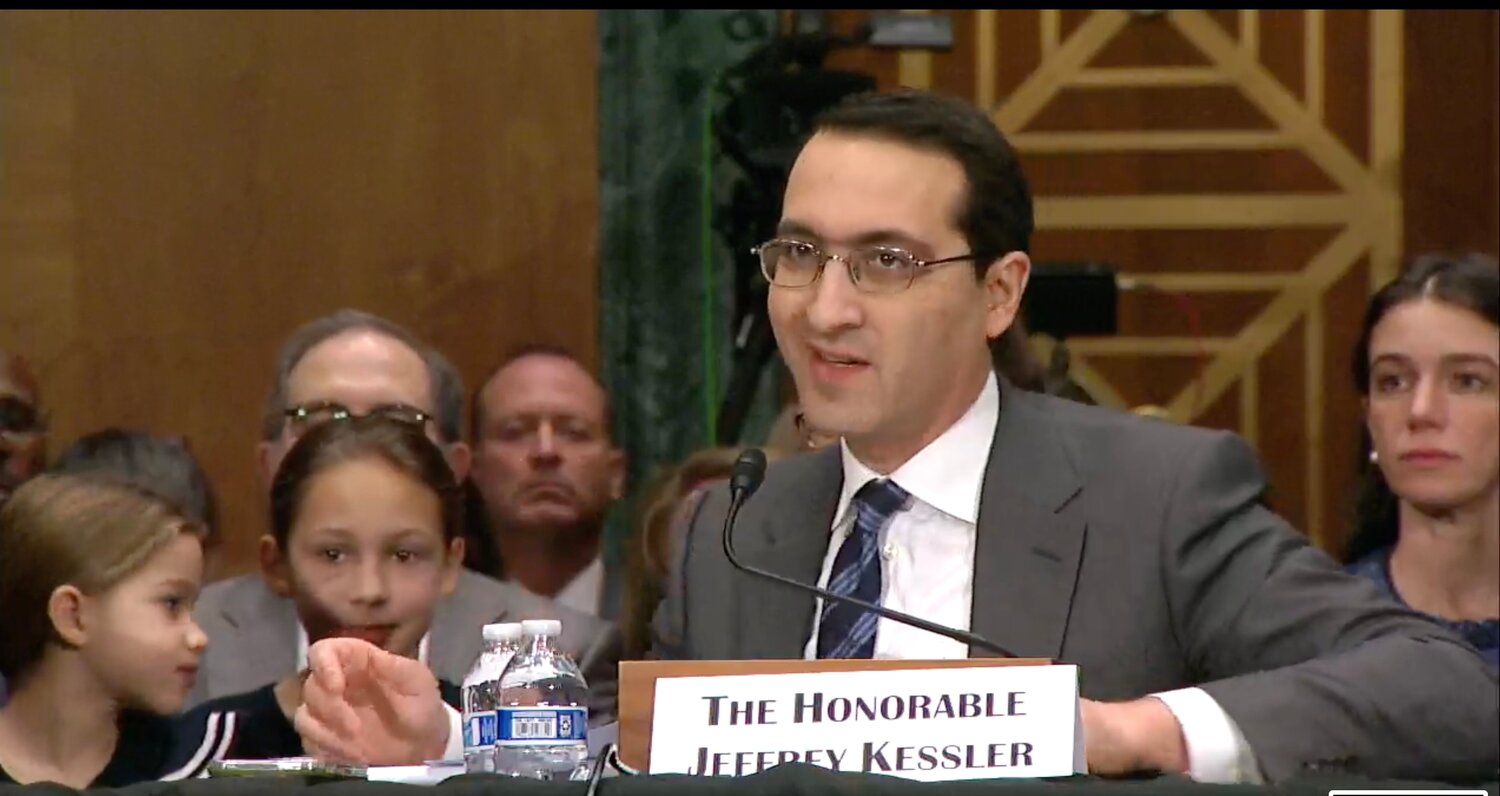
March 13 the Senate confirmed Jeffrey Kessler as Under Secretary of Commerce for Industry and Security by a mostly party-line vote of 54 to 45. Upon taking office, Kessler has pledged to review and reform BIS operations, particularly its role in preventing China and other adversaries from accessing advanced U.S. technologies. He has expressed skepticism about the AI Diffusion Rule, questioning its effectiveness in addressing national security risks and signaling his intent to revisit its implementation.

With little fanfare, the Secretary fo State has assumed authority over a broad swath of trade and immigration policy, potentially setting up even more confusion and opacity as the new adminstration reshapes the federal government.
A bipartisan group of lawmakers has reintroduced legislation aimed at combating trade crimes committed by companies based in the People's Republic of China (PRC) that violate U.S. trade laws and harm American workers and businesses. The Protecting American Industry and Labor from International Trade Crimes Act seeks to establish a new task force within the U.S. Department of Justice (DOJ) to investigate and prosecute trade-related offenses.
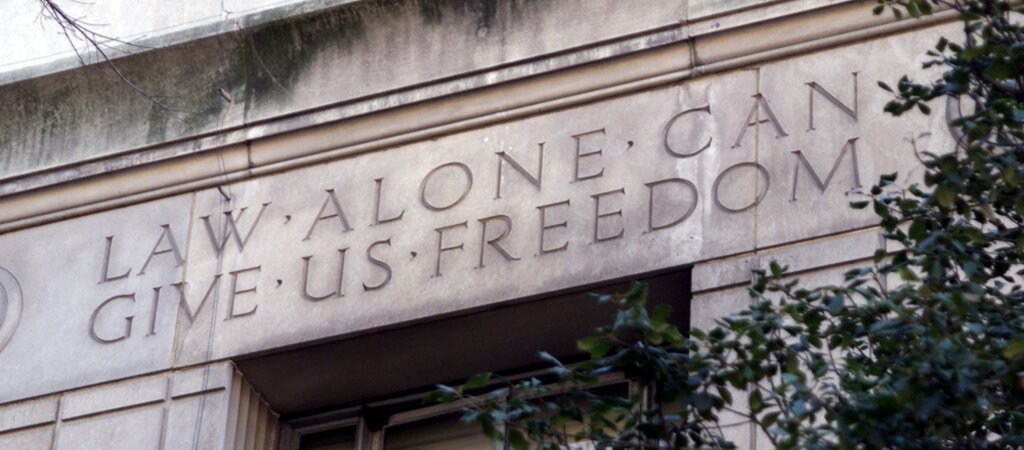
In a sweeping overhaul of the Justice Department’s senior leadership, the White House has removed or reassigned dozens of career officials, particularly within the National Security Division (NSD), signaling a dramatic shift in the department’s priorities and approach to the rule of law. The moves reflect the President’s unconventional approach to governance, marked by a disregard for institutional norms and an emphasis on loyalty over established legal expertise.
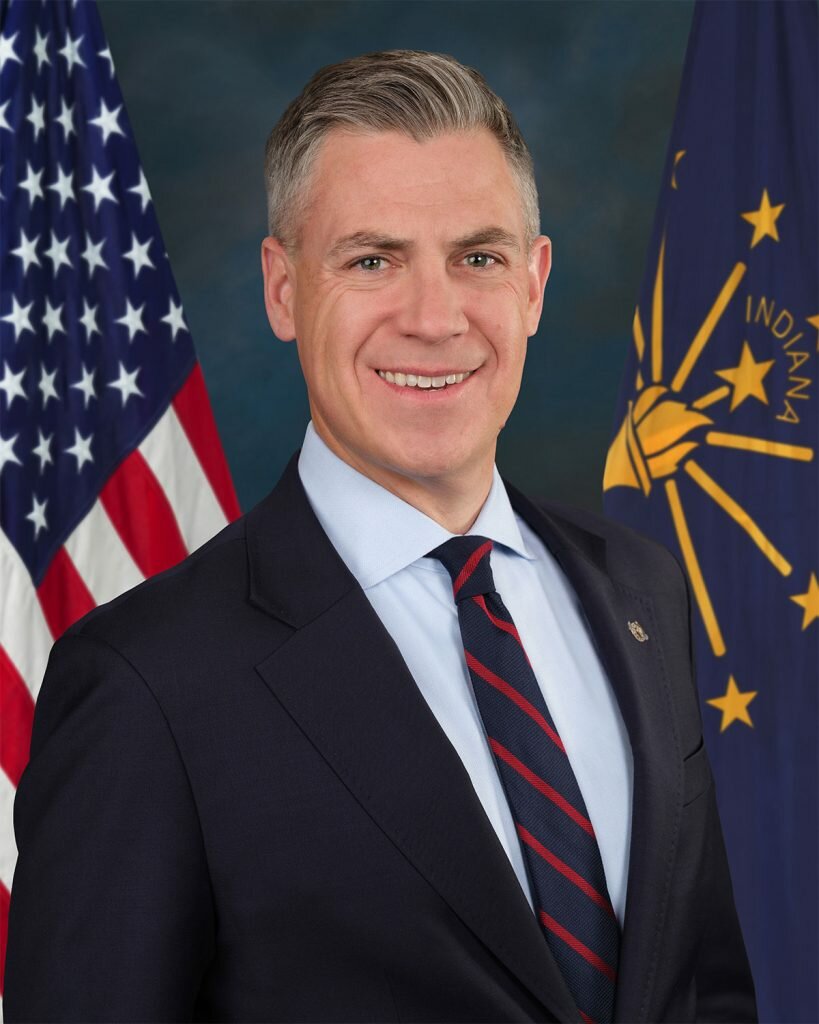
Senators Jim Banks (R-Ind.) and Mark Warner (D-Va.) have introduced the Maintaining American Superiority by Improving Export Control Transparency Act , a bipartisan measure aimed at enhancing …
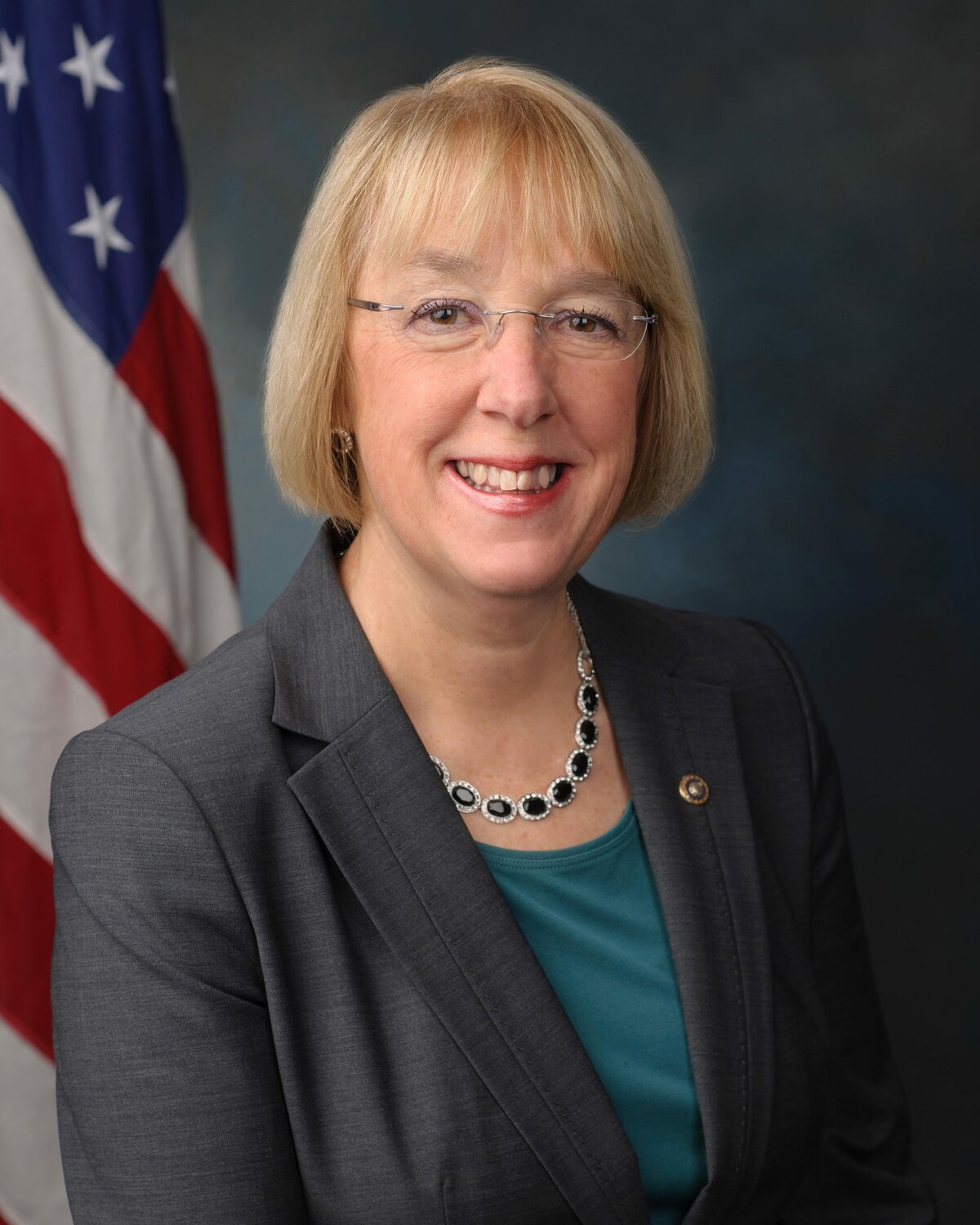
Senator Patty Murray (D-Wash) has raised serious concerns over the potential consequences of the Trump-Johnson full-year Continuing Resolution (CR), particularly its impact on U.S. export controls and the Bureau of Industry and Security (BIS). The proposed legislation, set for a vote this week, grants the Trump administration broad discretion over federal spending, eliminating congressional directives that typically ensure funding for critical national security priorities, including sanctions, export controls, non-proliferation and emerging technology policy.