
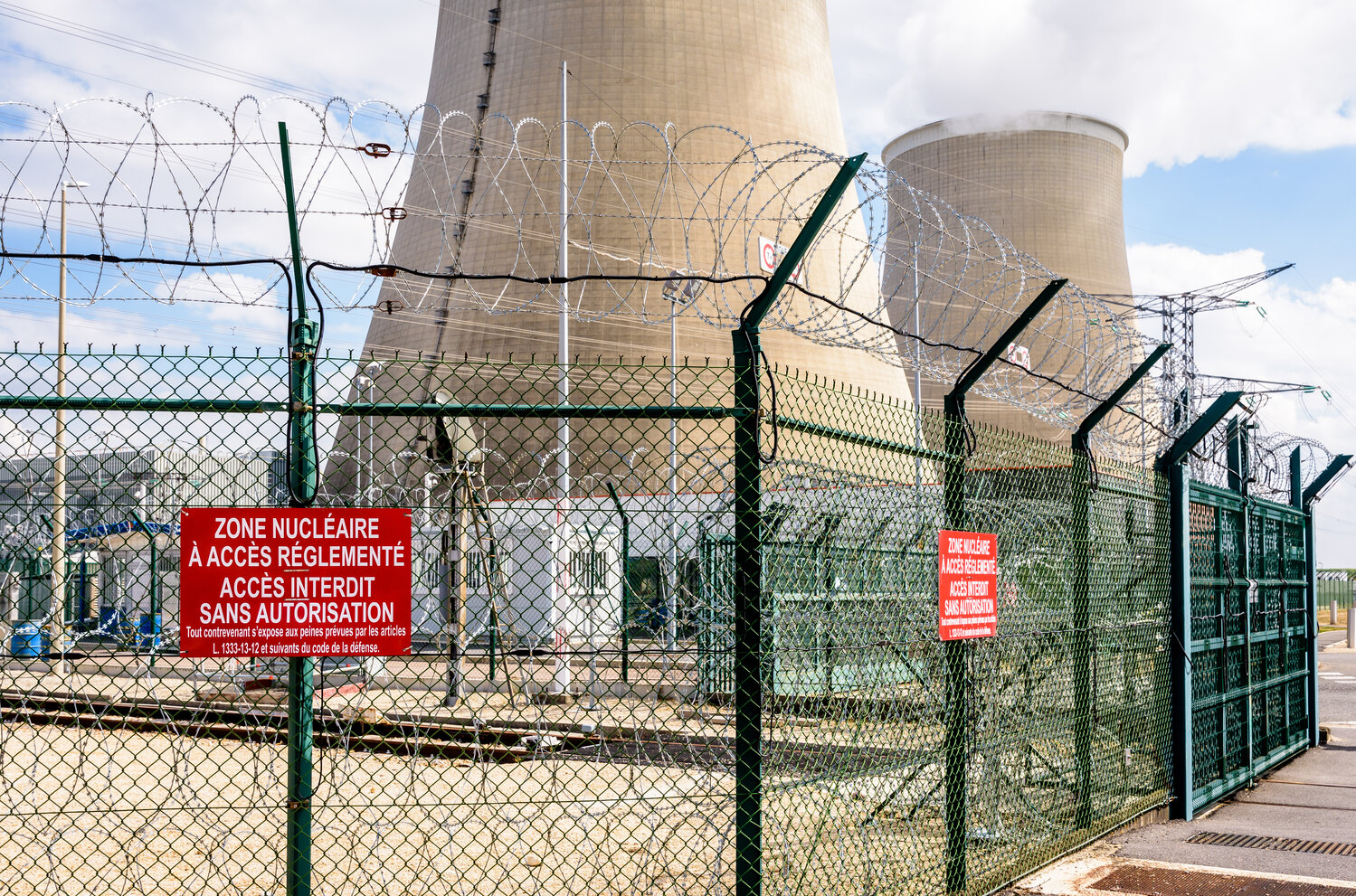
The newly re-introduced Civil Nuclear Export Act seeks to improve the ability of American nuclear companies to compete with state-backed suppliers from Russia and China.
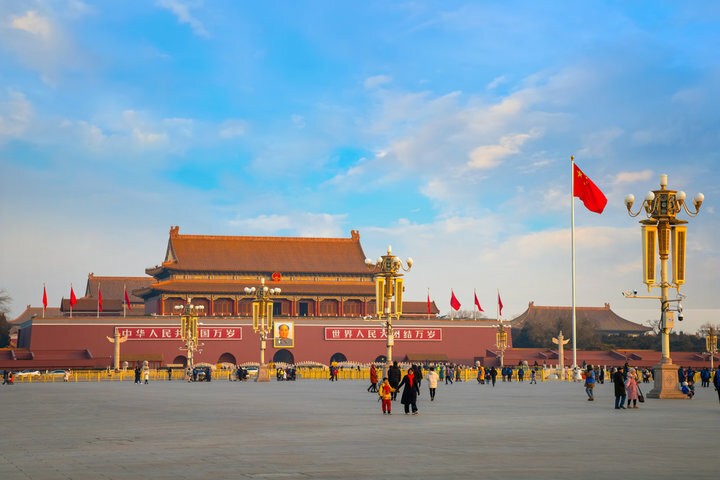
China unveiled a package of trade and regulatory measures on August 5, escalating its response to recent U.S. restrictions on Chinese technology and alleged forced-labor links. The Ministry of …

The U.S. goods and services trade deficit narrowed to $73.3 billion in June, down $4.4 billion from a revised $77.6 billion in May, as imports declined more rapidly than exports amid continued …
The policy could benefit U.S. manufacturers, but it risks raising costs for solar projects, electronics and automobiles—forcing the administration to balance national-security goals against the possibility of weaker demand and delayed energy development.

The Commerce Department will require U.S. sellers to reserve all covered black mass and tungsten scrap for domestic buyers beginning Aug. 27.
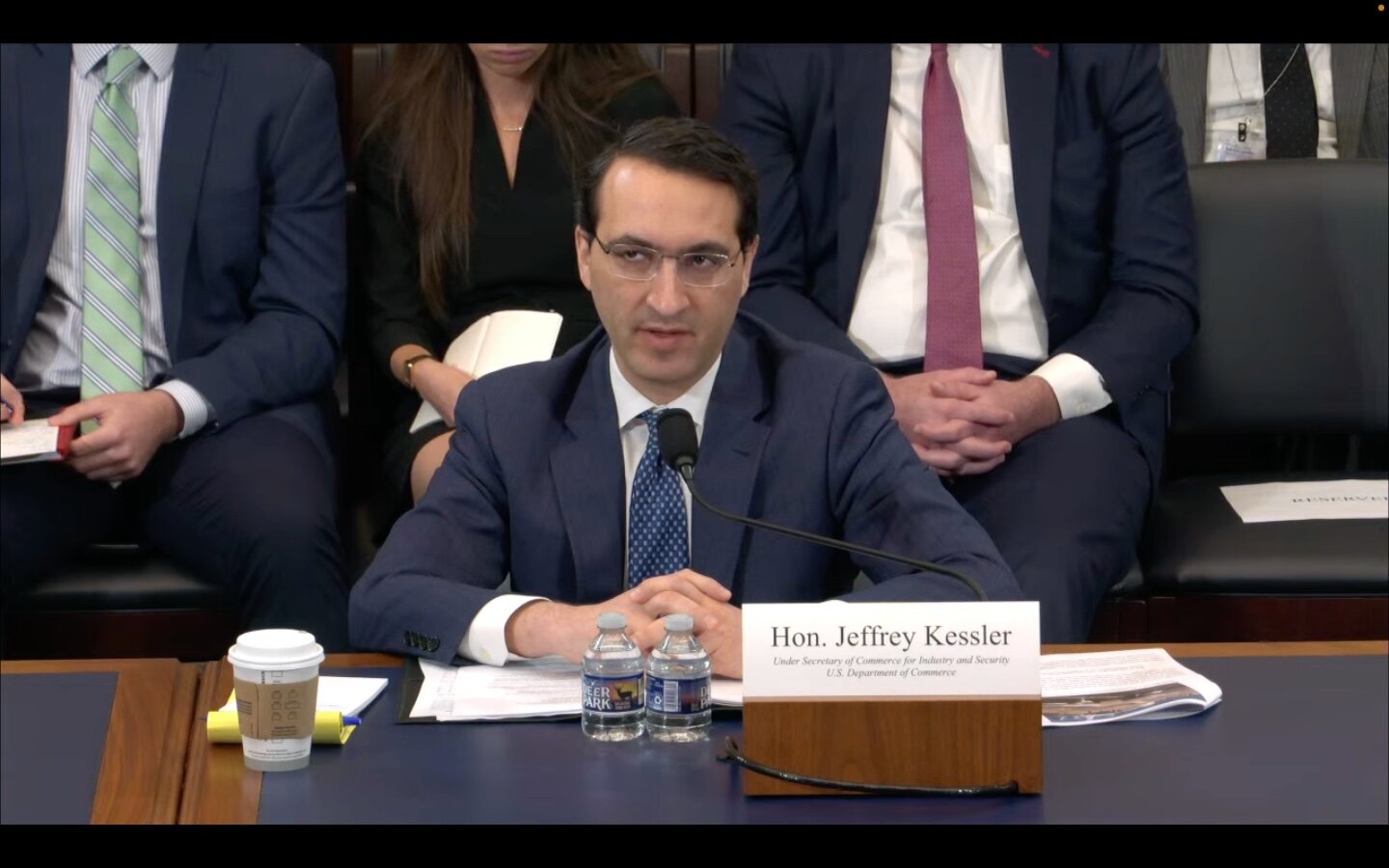
The agency’s public docket shows markedly fewer administrative actions under Under Secretary Jeffrey Kessler, even as several enormous semiconductor cases pushed assessed penalties higher. Public registers show approximately a 49% decline in annualized administrative docket entries during Mr. Kessler’s tenure compared with the preceding 24 months

As currently written, the provision creates a mechanism to generate and advance more bilateral defense projects. It does not create a parallel mechanism to exempt those projects from export controls or guarantee their approval.
The Google dispute is becoming a test of whether U.S. trade policy will treat foreign technology regulation as an actionable barrier-and whether the Turnberry truce can survive.

The inquiry highlights a widening policy debate over whether low-cost, customizable Chinese AI models offer American companies a competitive advantage or create unacceptable security and economic dependencies.
Richard Nephew—who served in the Biden administration as deputy special envoy for Iran and later as the State Department’s inaugural coordinator on global anti-corruption—argues that the Trump administration’s nuclear cooperation agreement with Saudi Arabia could weaken longstanding U.S. nonproliferation safeguards.

The July 2026 update continues EXIM’s gradual reopening of country cover after the more restrictive changes of 2024. Ecuador regains long-term public-sector cover, while Kenya and Zambia reopen only for short-term private-sector transactions.

The Trump administration is coupling broader access to advanced U.S. technology with a significantly deeper strategic relationship with the United Arab Emirates, underscoring that the July export-control changes are part of a broader effort to anchor the UAE within the U.S. technology and security ecosystem.
The filing could transform a court that existed only on paper for three decades into a powerful new tool for the Trump administration’s immigration and counterterrorism agenda.

The strongest conclusion is therefore a qualified one: Africa offers compelling opportunities, but investors must be selective and prepared for risks that extend well beyond conventional measures of economic performance.
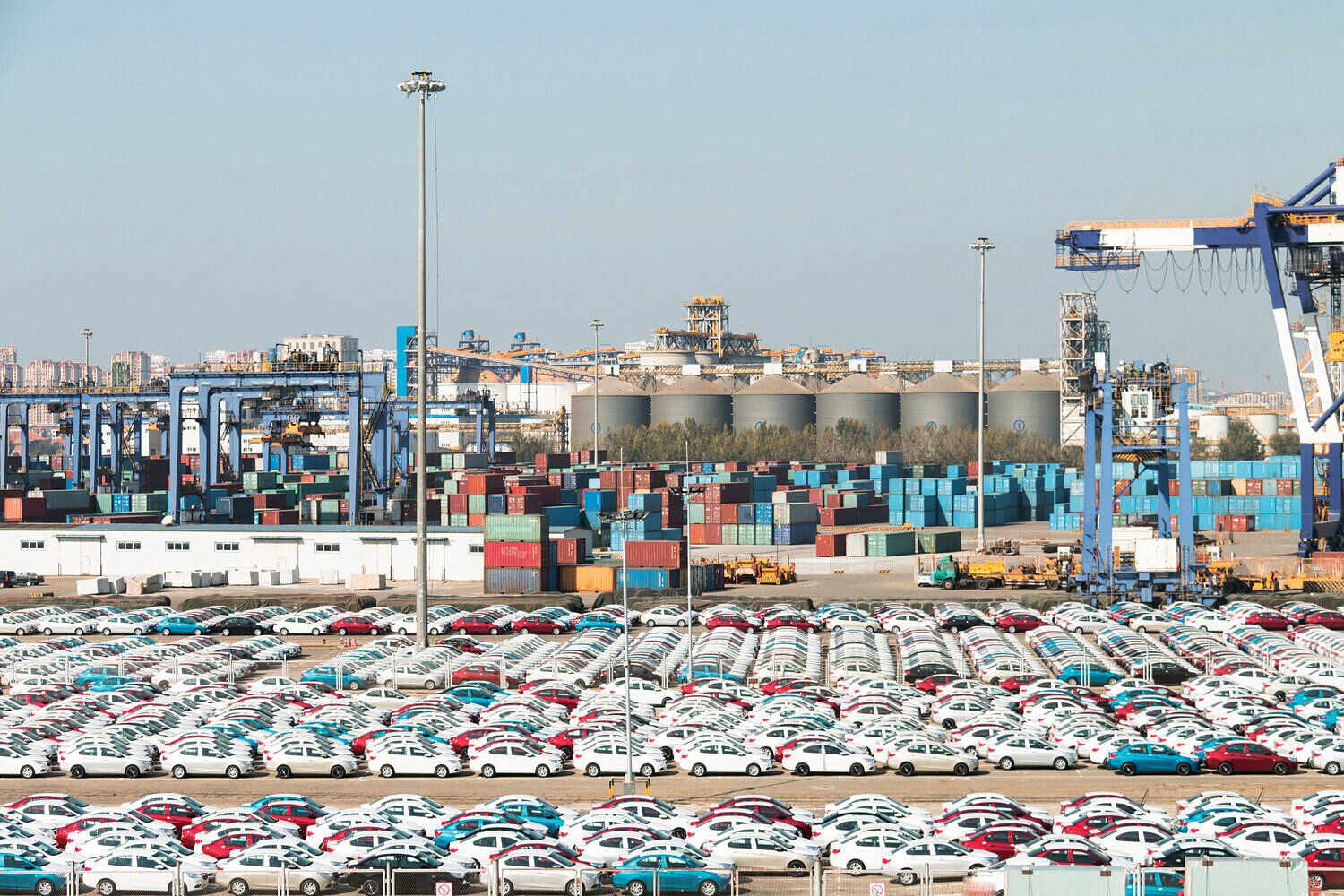
China’s emergence as the world’s largest auto exporter is forcing governments to confront difficult trade-offs among affordable vehicles, climate goals, industrial competitiveness, and national security.

The Committee on Foreign Investment in the United States has launched a dedicated website and expanded its social-media presence as part of a broader effort to improve communications with companies, investors and their advisers.
The filing matters because it is the first formal presidential record of what Trump approved—and it does not include the conditions he announced afterward. Instead, it confirms that the agreement rests partly on two undisclosed side letters and a separate bilateral safeguards accord.
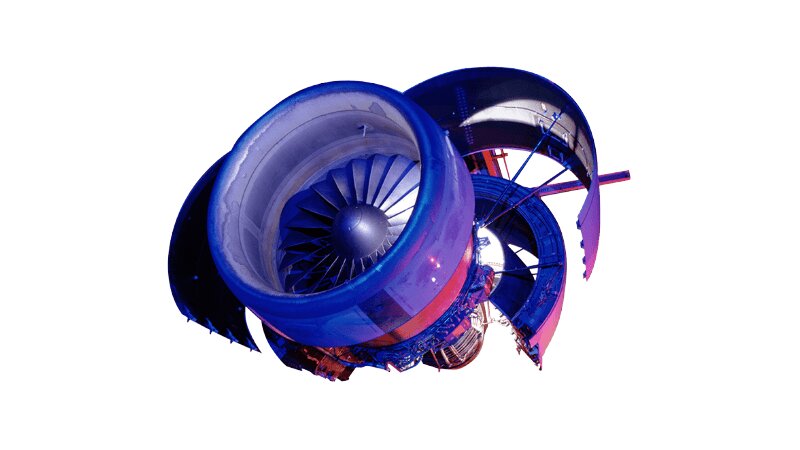
Boeing aircraft remain a major part of the U.S. Export-Import Bank’s business, but a new generation of domestic mining, space, AI and supply-chain transactions is changing both its mission and its risk profile.
The European Union on Friday blocked Russia’s first request for a World Trade Organization dispute panel to examine the bloc’s Carbon Border Adjustment Mechanism and aspects of its emissions …

The reopening of Venezuela’s oil sector does not amount to a wholesale lifting of U.S. sanctions. Instead, companies must navigate overlapping OFAC licenses that dictate who may participate, which goods and services may be supplied, how contracts and payments are structured, and what must be reported to the government.