This study documents that U.S. imposed export controls to deny China access to strategic technologies prompted a broad-based decoupling of U.S. and Chinese supply chains. As a result of these disruptions, affected suppliers have negative abnormal stock returns, wiping out $130 billion in market capitalization, and experience a drop in bank lending, profitability, and employment.
A bipartisan group of colleagues filed an amicus brief in TikTok, et al. v. Garland. The brief defends the constitutionality of the Protecting Americans from Foreign Adversary Controlled Applications Act, which addresses the national security threat posed by Chinese ownership of TikTok, against TikTok's legal challenges that claim the bill is unconstitutional.
The Chairs of the House Foreign Affairs Committee and the Senate Foreign Relations Committee joined their counterparts from fifteen European parliments issuing a historic joint statement on Venezuela’s disputed presidential election.
House Select Committee on China Chairman John Moolenaar (R-Mich) and ranking Democrat Raja Krishnamoorthi (Ill) unveiled bipartisan legislation yesterday to boost US semiconductor research and development in order to compete against China’s attempt to dominate the industry. The Semiconductor Technology Advancement and Research Act would create an investment tax credit for semiconductor design expenditures.
Sen. Marco Rubio (R-Fla) is proposing legislation to prevent countries like China, Russia and Iran from using alternate financial systems to evade US sanctions. The Sanctions Evasion Prevention and Mitigation Act would ensure US adversaries face economic consequences for their anti-democratic actions, ranging from committing human rights abuses to promoting terrorism, according to the senator.
Reuters news service reported the Biden administration plans to unveil a new rule next month that will expand U.S. powers to stop exports of semiconductor manufacturing equipment from some foreign countries to Chinese chipmakers, two sources familiar with the rule said.
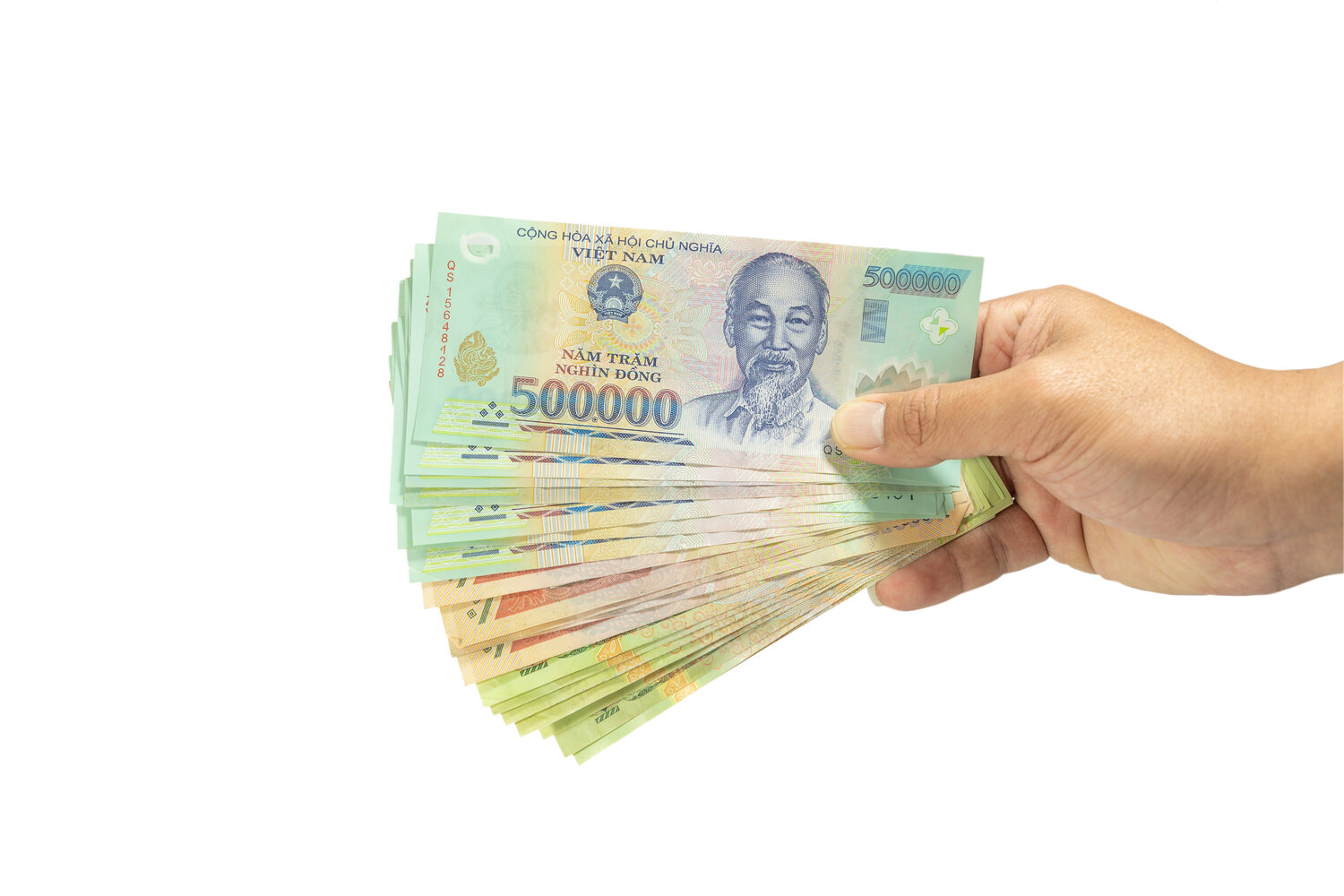
The Commerce Department announced Friday that it has made the decision to continue classifying Vietnam as a non-market economy country for purposes of calculating US antidumping duties on imports from Vietnam.

Canada and the United States have concluded substantive negotiations for a Technology Safeguards Agreement (TSA). Global Affairs Canada announced Friday. The Canada-United States TSA, upon its entry into force, will establish the legal and technical safeguards needed to allow the use of U.S. space launch technology, expertise and data for space launches in Canada while ensuring the proper handling of sensitive U.S. technology. The bilateral treaty-level agreement would allow American organizations to conduct space launch activities in Canada with local service providers.

The White House and State Department hosted a conference on the national security risks of connected vehicles July 31, while Senators called for the administration to focus on the risks the technology poses for privacy and individual liberty.
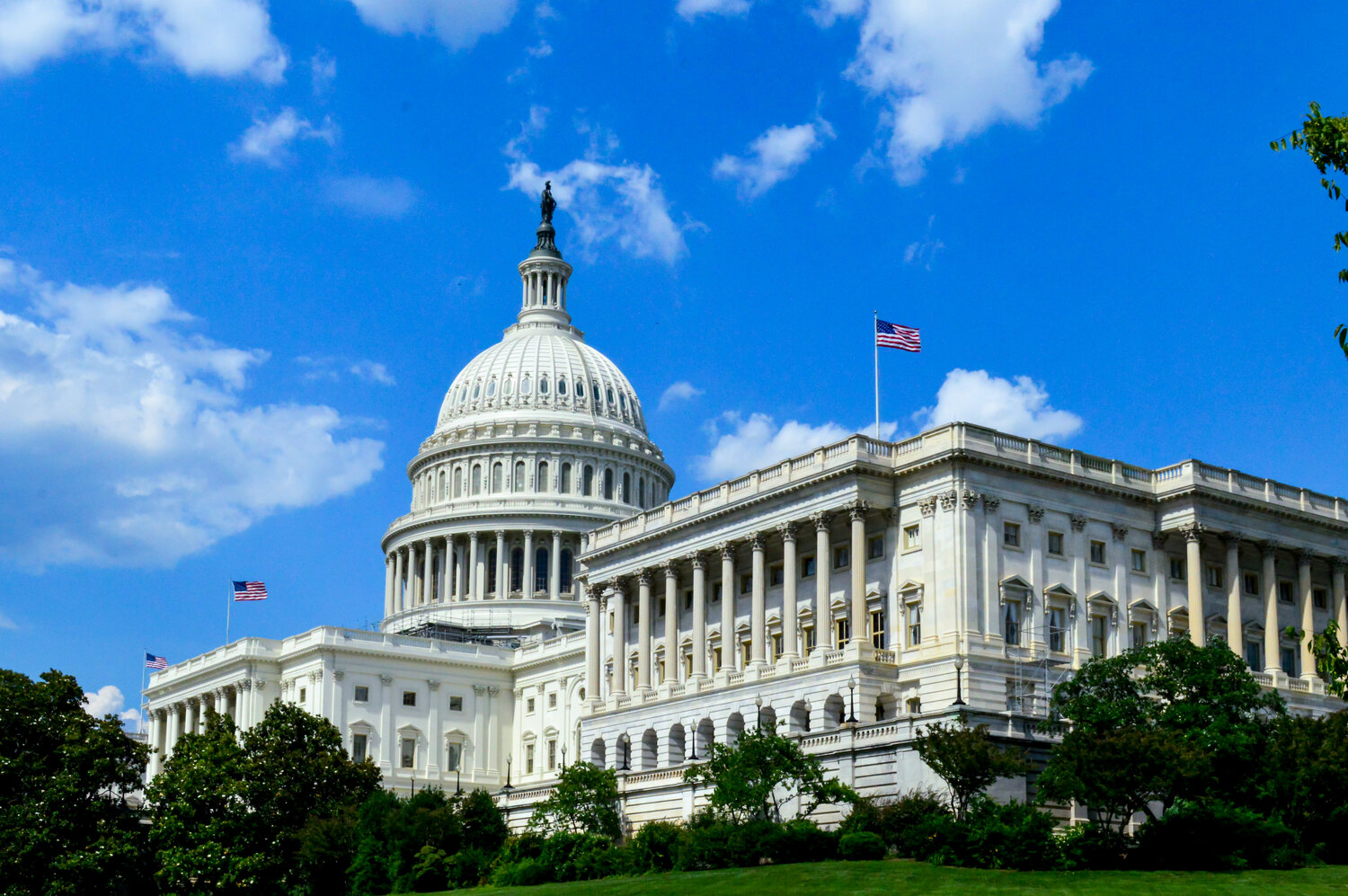
The Senate Appropriations Committee completed the markup of the "Commerce, Justice, Science, and Related Agencies Appropriations Act S.4795 providing $11.54 billion for the Department of Commerce. This includes $206 million for the Bureau of Industry and Security [BIS]. The recommendation is $15 million above the fiscal year 2024 enacted level and $17.4 million below the budget request.
House China hawks introduced legislation aimed at "ensuring transparency into the material and systemic risk posed by US investment in and reliance on China." The PRC Risk Transparency Act will require public companies with "meaningful exposure' to China to disclose what percentage of their revenue, profit, capital investment and supply chain is tied to the PRC. It also will require these companies to disclose their relationships with the Chinese Communist Party and with companies identified by the US government as national security threats or human rights violators.
A bipartisan group of House lawmakers, including the chairman and ranking member of the House Select Committee on China, unveiled legislation yesterday creating a new structure within the US government to prosecute international trade crimes. This bill would direct DOJ to establish a new structure dedicated to prosecuting nternational trade crimes in order to enhance US capabilities for detecting, investigating and prosecuting trade fraud, duty evasion, transshipment and other trade-related crimes.

Legislation to ban Chinese-made connected vehicles from US military bases and other federal installations was introduced yesterday by Sen. Sherrod Brown (D-Ohio). The Countering Adversary Reconnaissance (CAR) Act would bar Chinese connected vehicles from much of the U.S., making it impractical and unprofitable to import them in the first place. The Countering Adversary …
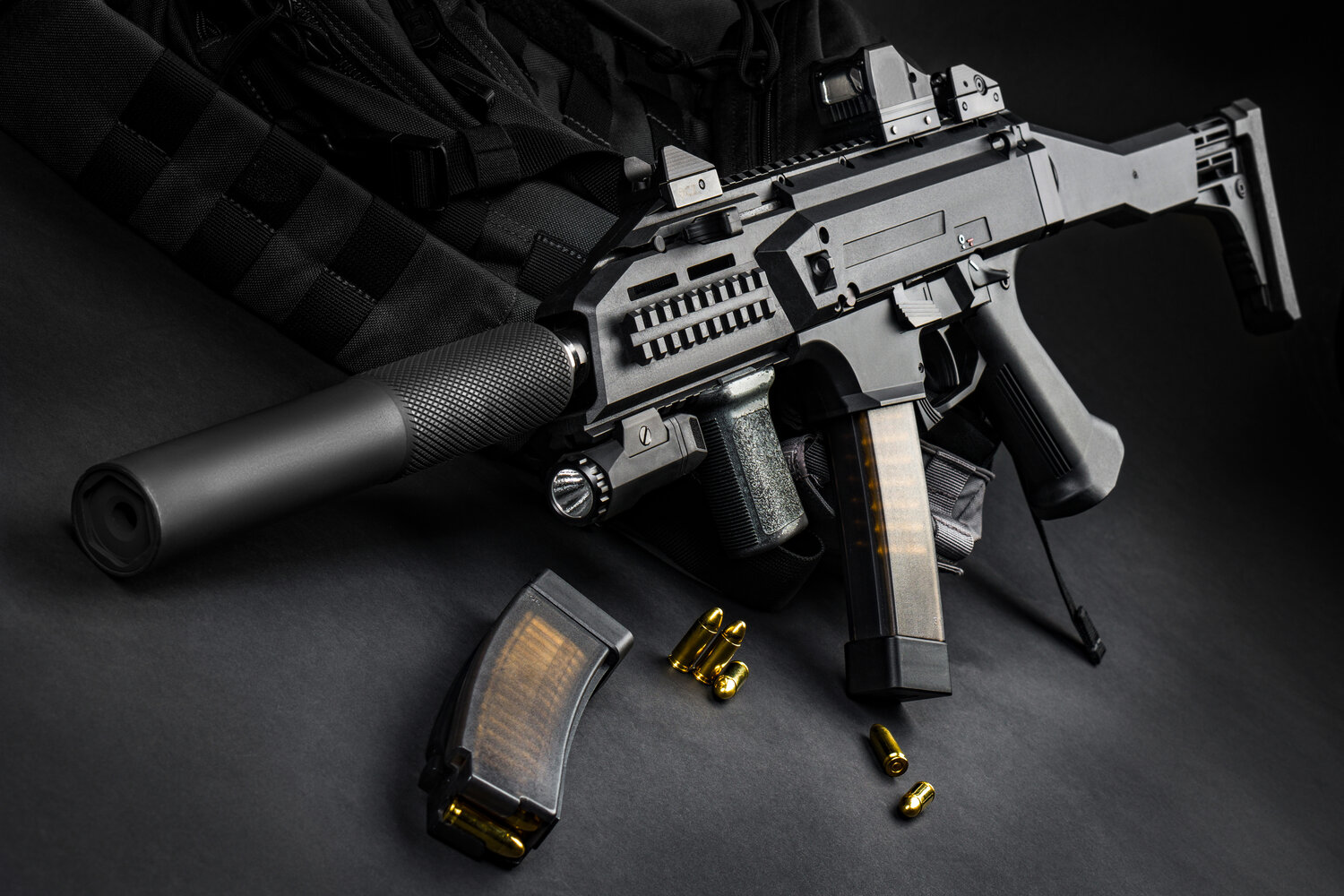
A joint resolution of Congress to void and nullify the Commerce Department's “Revision of Firearms License Requirements” (89 Fed. Reg. 34680) passed out of the House Committee on Foreign Affairs July 11 on a vote of 24 to 23. Sponsored by Rep. Mark Green (R-Tenn), the motion is a companion to his“Stop the Bureaucratic Ineptitude Shuttering Respectable and Upstanding Lawful Exporters Act” or the “Stop the BIS Rule Act” (HR 8208) introduced in May.
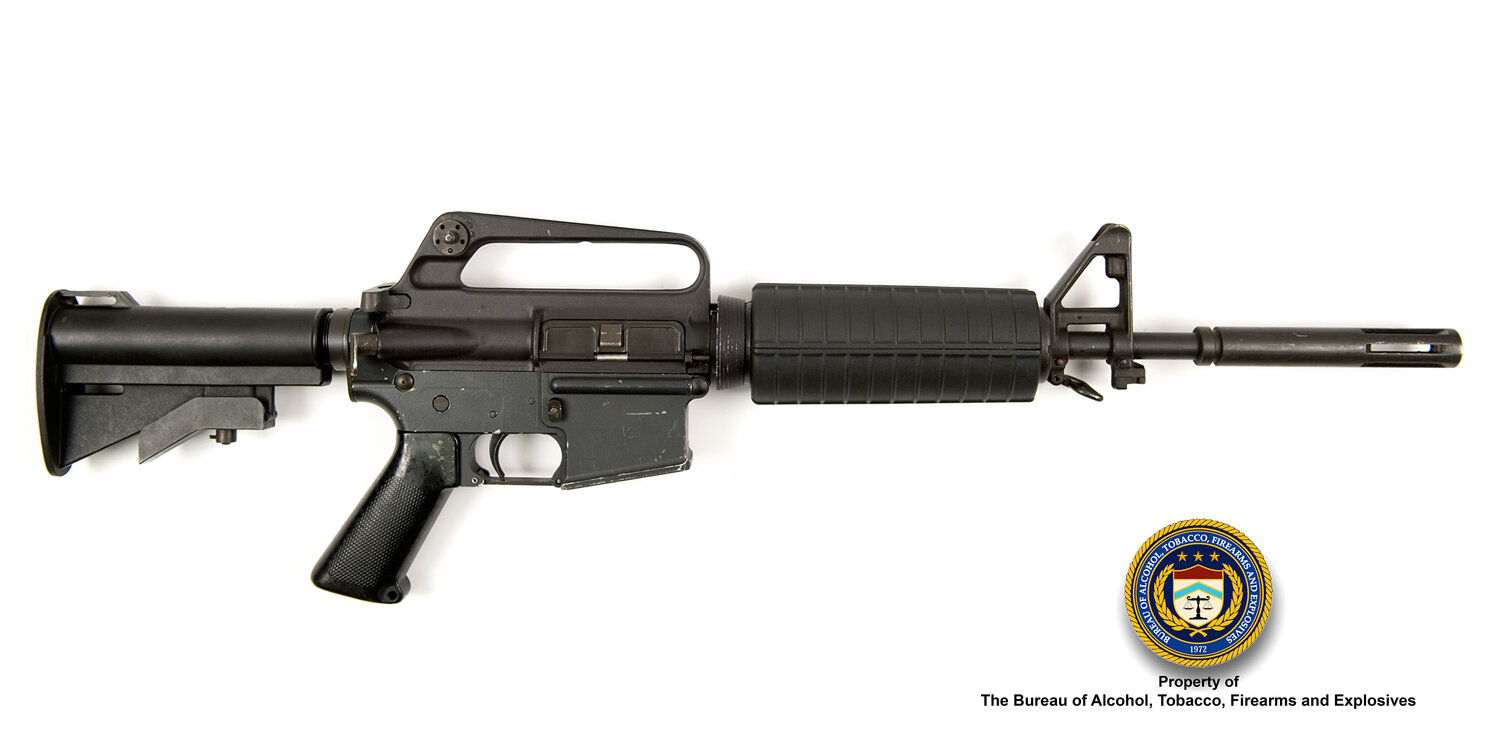
Sen. Elizabeth Warren (D-Mass) and Rep. Joaquin Castro (D-Texas) are calling on the Commerce Department to beef up its new rule on firearms license requirements in order to prevent US weapons exports from contributing to violence and killings across the globe. The lawmakers are responding to an interim final rule issued in April by Commerce’s Bureau of Industry and Security, which strengthened Commerce’s exports licensing requirements and regulations. But there are still critical weaknesses to the rule, the lawmakers said in a letter to Commerce Secretary Gina Raimondo.

In his weekly news conference, Foreign Ministry Spokesperson Lin Jian reiterated China's refusal to engage in nuclear nonproliferation discussions in light of arms sales to Taipei. "This has seriously compromised the political atmosphere for continuing the arms control consultations. Consequently, the Chinese side has decided to hold off discussion with the US on a new round of consultations on arms control and non-proliferation," he stated.

While not directly naming China, G7 trade ministers pledged Thursday to use their trade tools when needed to counter trade-distorting trade practices. “We will continue to tackle non-market policies and practices, as well as harmful non-market excess capacity and other market distortions resulting from them,” G7 trade ministers said in a joint statement wrapping up their two-day meeting in Italy. The ministers' statement emphasized a commitment to the role of, and reform of the World Trade Organization, as well as placed a particular emphasis on Export Control & Investment Screening
Stating "We will be a nation of Truth, Justice, and Common Sense," the Republican party platform adopted by the Milwaukee Convention goes beyond calls to "deport the millions of illegal Migrants who Joe Biden has deliberately encouraged to invade our Country," and "DRILL, BABY, DRILL," with specific policy recommendations for industry and trade.

The nine nuclear-armed states—the United States, Russia, the United Kingdom, France, China, India, Pakistan, the Democratic People’s Republic of Korea (North Korea) and Israel—continued to modernize their nuclear arsenals and several deployed new nuclear-armed or nuclear-capable weapon systems in 2023, according to the most recent SIPRI Yearbook.
Speaker of the House Mike Johnson announced his intention to renew the House Select Committee on the CCP for the 119th Congress, according to a Committee announcement. The 119th Congress will convene in January 2025.