

Congress is now considering a framework that could ban adversary-made humanoid and quadruped robots from the U.S. market. The bill gives sweeping authority to the FCC for review and enforcement.

The Connected Vehicle Security Act of 2026 cleared the Senate Commerce Committee on July 22. If enacted, the bipartisan bill would phase in restrictions on covered vehicles and software beginning in 2027 and hardware in 2030, while requiring automakers to more closely scrutinize their ownership structures and supply chains.

The United States and Jordan announced a reciprocal trade agreement Tuesday aimed at reducing barriers to American exports and strengthening economic and security ties between the two countries. …

The White House wants federal funding to follow scientists, not institutions, while putting artificial intelligence and national security at the center of research. The approach could accelerate discovery—but weaken safeguards now supplied by universities and national laboratories.
While GOLD EAGLE creates no new regulatory authority, it signals a strategic evolution in U.S. cybersecurity policy. Rather than relying primarily on decentralized vulnerability disclosure, the initiative recognizes that AI has shifted the challenge from discovering software flaws to coordinating their validation and remediation at national scale.
Congressional efforts to enact a new farm bill are increasingly focused on strengthening U.S. agricultural competitiveness abroad while responding to mounting concerns over farm finances and foreign ownership of agricultural land.
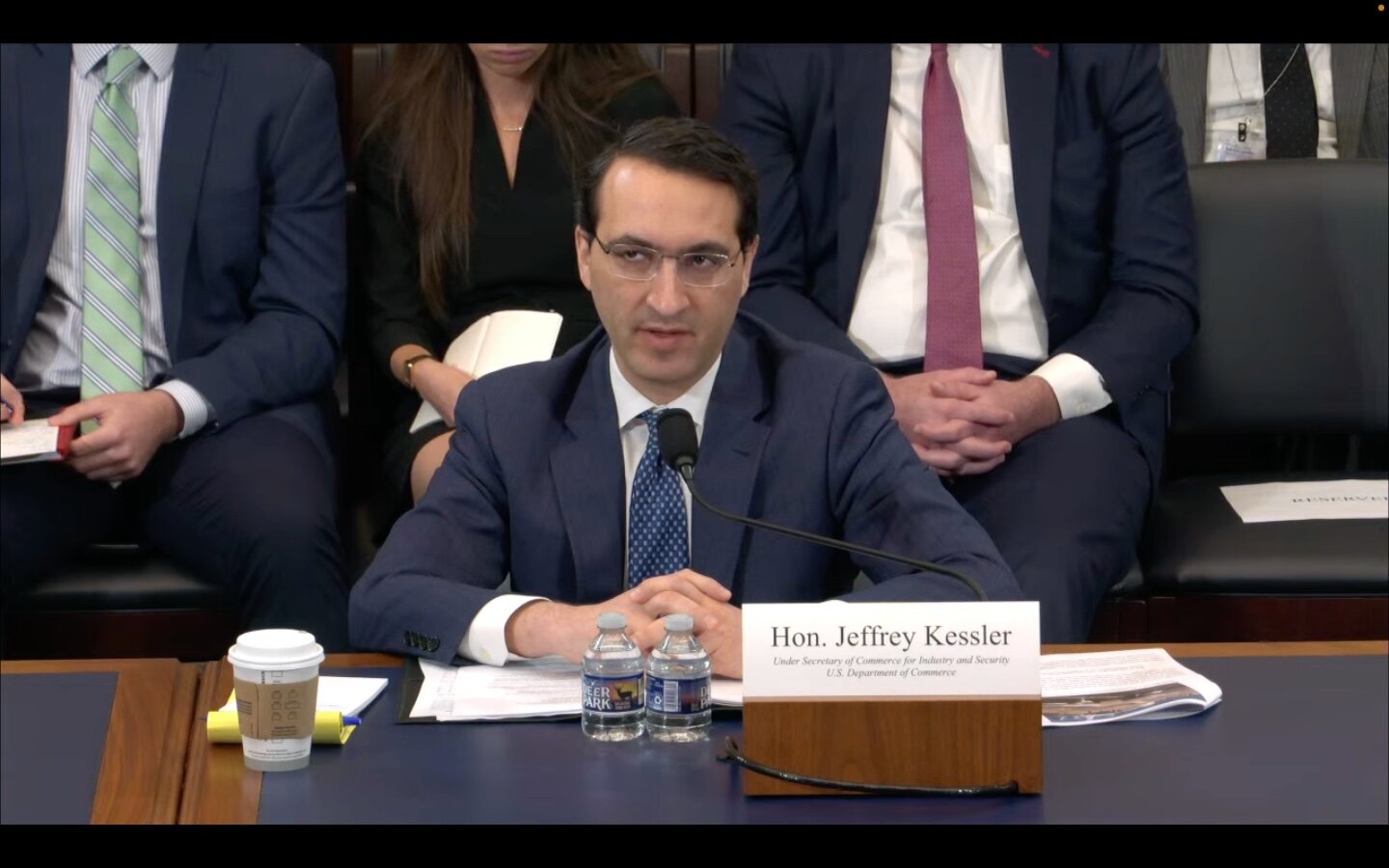
The House Foreign Affairs Committee’s hearing on the Commerce Department’s fiscal 2027 budget quickly exposed a widening gap between Congress and the Bureau of Industry and Security over the …
Strong shipments of semiconductors, electronic components and AI hardware helped lift exports to a record June level despite continued trade frictions.

Wyden and Neal say proposed legislation would give the President sweeping unilateral tariff powers beyond its Russia sanctions purpose.
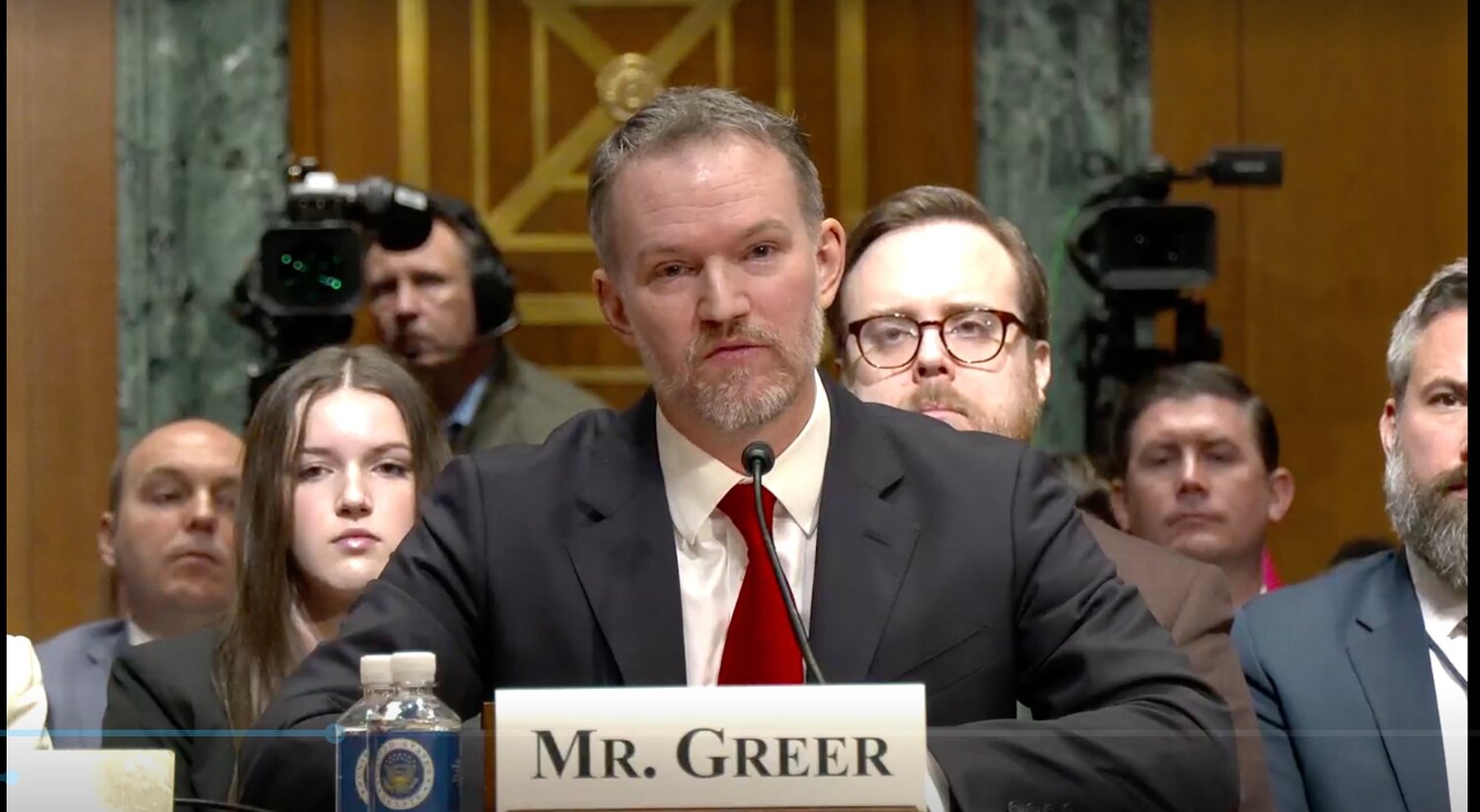
The administration plans to preserve tariffs on Chinese goods while using a new bilateral board to facilitate trade in products it considers non-sensitive.

The lawsuit is the first broad constitutional challenge to the Trump administration’s ICC sanctions regime, testing whether the International Emergency Economic Powers Act can be used not only to block assets and commercial transactions but also to restrict Americans’ research, advocacy, legal work, and collaboration with an international institution.
Wyden is not defending forced-labor abuses; he is arguing that Section 301 cannot be used as a substitute for sweeping global tariffs that courts have rejected under other authorities.

The Trump administration will pursue negotiations with trading partners rather than immediately impose Section 232 tariffs on imported commercial aircraft, jet engines and associated parts, even after Commerce found the imports threaten to impair U.S. national security.
Acting Attorney General Todd Blanche will face Senate confirmation hearings July 15 and 16 as President Trump seeks to make him the permanent head of the Justice Department.
Federal banking regulators are moving to make AML/CFT compliance more explicitly risk-based, proposing changes that would require banks to direct greater attention and resources toward higher-risk customers, products and activities.
The U.S. goods and services trade deficit widened sharply in May to $77.6 billion, up $23.0 billion from April, as imports rose 3.3% and exports fell 3.2%, the Census Bureau and BEA reported. Imports increased to $395.3 billion, while exports fell to $317.7 billion.

The U.S. Trade Representative’s Office has opened its annual review of country eligibility under the African Growth and Opportunity Act, even as the trade preference program faces another expiration deadline at the end of this year.
Legislation introduced by Sens. Tim Kaine (D-Va.) and John Curtis (R-Utah) would press U.S. allies and partners to strengthen foreign investment screening programs to protect critical infrastructure and supply chains from strategic investments by China and other adversarial actors.
The chair of the World Trade Organization’s General Council has brought greater transparency and inclusiveness to WTO reform discussions now underway under the council’s oversight, according to people familiar with the developments.
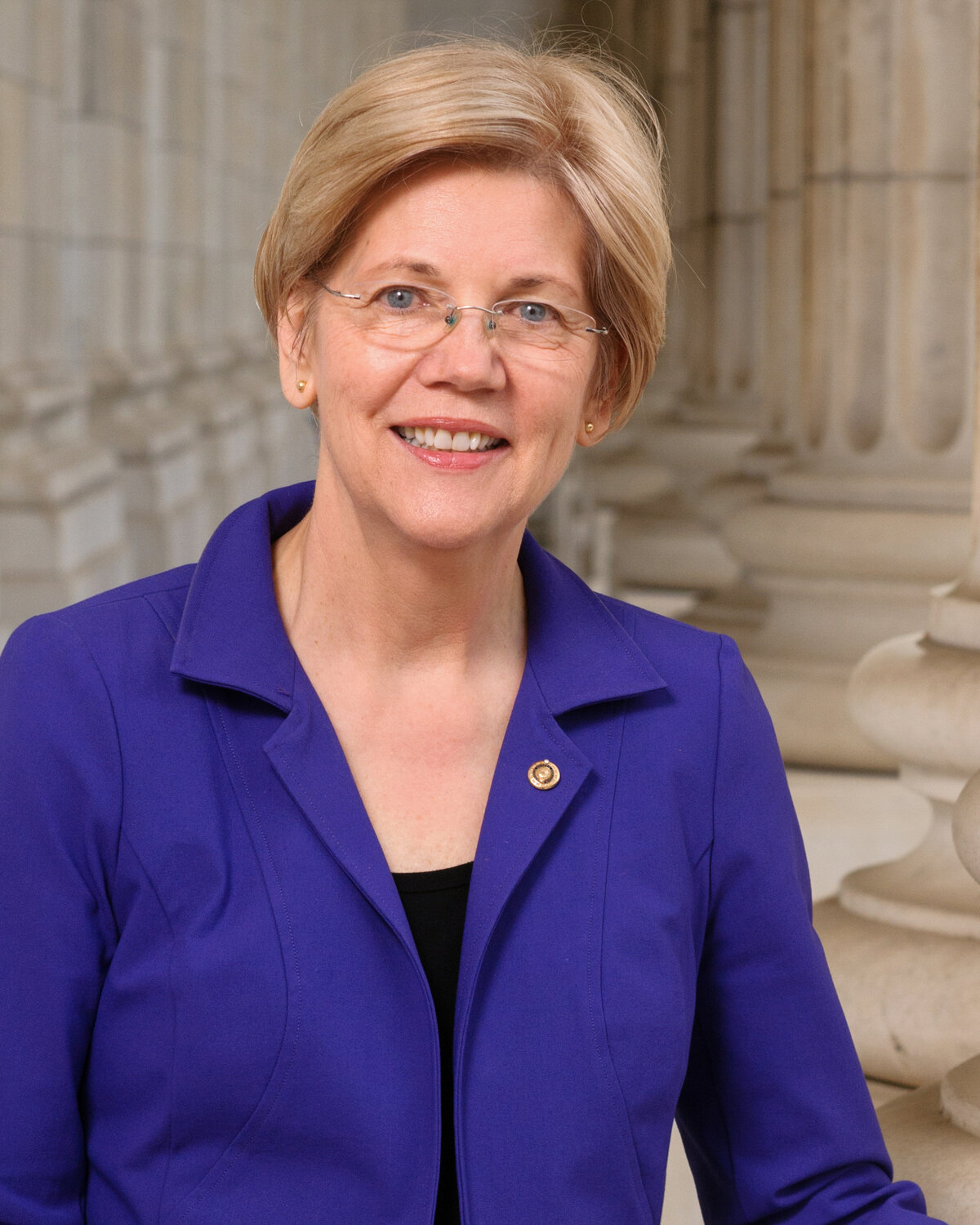
Sen. Elizabeth Warren (D-Mass.) is pressing Customs and Border Protection for answers on the pace of refunds for tariffs collected under the International Emergency Economic Powers Act, accusing the Trump Administration of delaying payments after the Supreme Court found the duties illegal.