
The USMCA review has become the next major trade-policy pressure point after the U.S.-China summit. Mexico has a formal negotiating calendar but faces new U.S. demands on autos, origin rules and deficits. Canada has no comparable public negotiating schedule and is being pulled into a harder U.S. track involving autos, retaliation and dairy.

As Treasury Secretary Scott Bessent assiduously promotes President Trump’s trade agenda, Commerce Secretary Howard Lutnick’s star appears to have faded inside the Beltway — not because Commerce lacks power, but because Lutnick himself has become a complication.

The Quad is moving from diplomatic signaling to economic-security execution, with the United States, Australia, India and Japan pledging up to $20 billion to build critical-minerals supply chains and launching a parallel Indo-Pacific energy-security initiative.

The Trump administration is weighing a plan to suspend immigration and customs processing at airports serving sanctuary jurisdictions, a move that could sharply disrupt international travel and cargo flows while escalating its fight with Democratic-led cities.

U.S. Trade Representative Jamieson Greer called on economists to revise trade models that, in his view, understate the costs of globalization and fail to capture the real-world effects of tariffs, industrial policy and import dependence.

The Office of Management and Budget proposed a sweeping revision of government-wide federal financial assistance rules, covering grants, cooperative agreements and related awards across dozens of agencies. The 412-page proposed rule, scheduled for publication May 29, would revise 2 CFR parts governing federal awards and require conforming changes by agencies including HHS, Agriculture, State, USAID, VA, Energy, Treasury, Defense, Transportation, Commerce, Interior, EPA, NASA, DOJ, Labor, DHS, Education, Ex-Im Bank, FCC, CPSC and others.

Telegram-based “guarantee marketplaces” have become core infrastructure for online scams, stablecoin laundering and related human-trafficking networks, shifting the policy question from individual enforcement actions to platform and issuer accountability.
A federal judge has ordered the appointment of a receiver to take control of Jupiter Systems, Inc., concluding that the U.S. government demonstrated national security concerns arising from Chinese ownership of the California-based video-wall technology company.
The CRTC order converts Canada’s streaming law from a cultural-policy irritant into a larger trade issue. By tripling the online contribution requirement while lowering the rate for traditional broadcasters, Canada has sharpened U.S. industry claims that the regime disproportionately burdens American platforms. The issue now sits beside tariffs, procurement, dairy and digital services policy as a likely point of contention in the USMCA review.

U.S. Under Secretary of State for Economic Affairs Jacob Helberg used the Singapore appearance to attempt to persuade countries in Southeast Asia and beyond that Washington offers a more commercially attractive and less extractive alternative than China’s state-backed infrastructure model.
Federal stablecoin oversight is being built as a banking-and-illicit-finance regime, not simply a payments charter. The compliance burden will include conventional BSA controls, OFAC sanctions screening, reporting obligations and technical capacity to police transactions.
BIS’s licensing backlog has become a management test for Under Secretary Jeffrey Kessler, exposing the gap between a tougher export-control posture and the bureau’s obligation to keep lawful technical trade moving. BIS’s last public benchmark showed average license processing at 38 days in FY 2023, but semiconductor and technology exporters now report waits of six to ten months, weaker communication and lost business. The record does not show Kessler created the backlog, but industry criticism has sharpened under his tenure as exporters, lawmakers and analysts question whether BIS can impose rigorous national-security controls without making U.S. suppliers unreliable in the markets those controls are meant to protect.
U.S. Trade Representative Jamieson Greer will host the G20 Trade Ministerial in Milwaukee, Wisconsin, Sept. 30–Oct. 1, placing the administration’s tariff and industrial-capacity agenda before major trading partners ahead of the December leaders’ summit in Miami.
The European Commission’s Biotech Act II consultation gives U.S. agricultural, biotech and bio-based product exporters an early chance to shape the EU’s next industrial biotechnology framework before it hardens into market-access rules.
The Government Accountability Office has concluded that Commerce’s announcement that it would not enforce the Biden-era AI Diffusion Rule was itself a “rule” subject to the Congressional Review Act, creating a procedural vulnerability for the Bureau of Industry and Security’s effort to shelve the framework by press release.
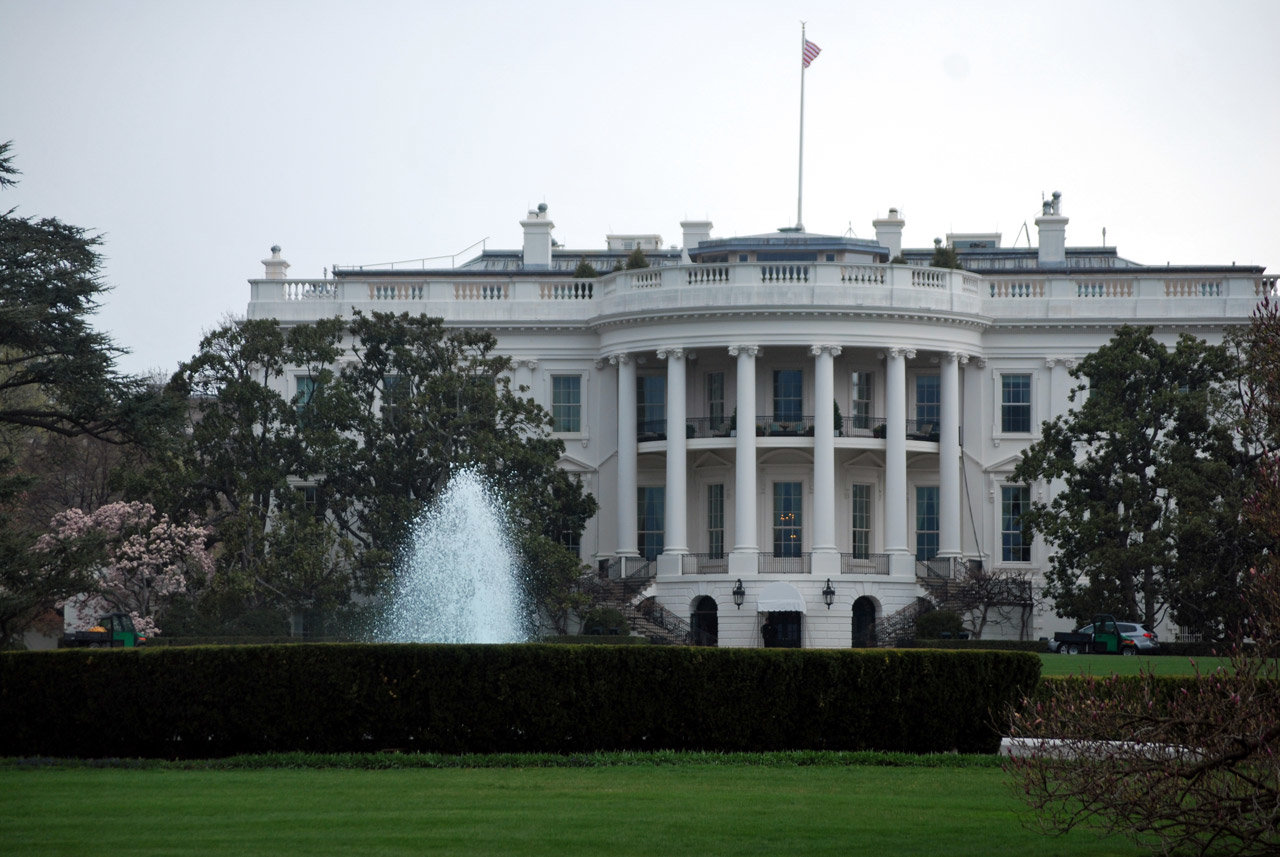
The White House has extended for another year the national emergency underpinning Commerce Department authority to review, mitigate or prohibit information and communications technology and services transactions, but a wording change in the renewal notice is prompting questions about whether the administration is trying to loosen the authority from its traditional “foreign adversary” frame.

The Trump-Xi summit produced a limited thaw: useful for markets, exporters and supply-chain planners, but not enough to reset U.S.-China relations or reduce the core compliance risks facing U.S. business.
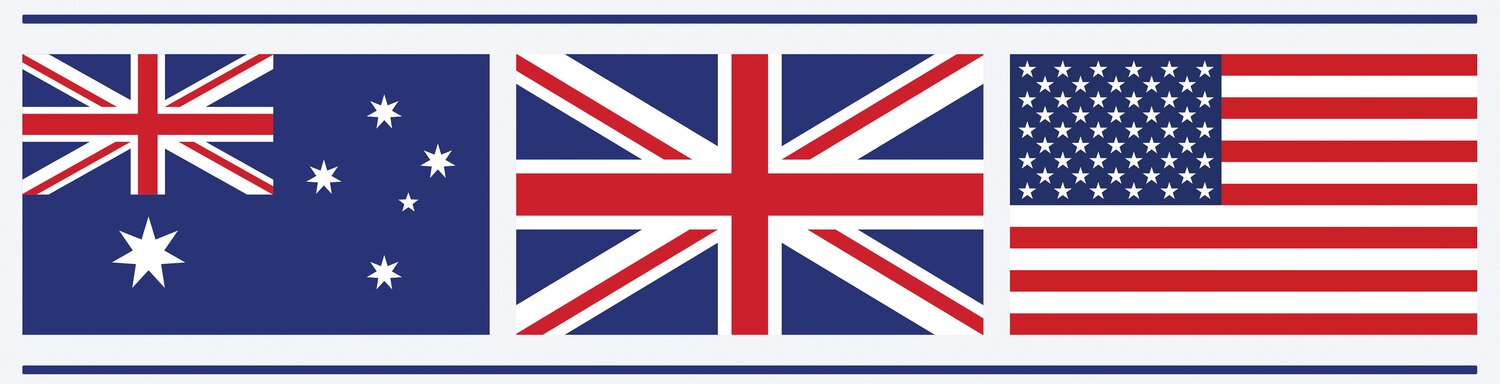
A senior Aerospace Industries Association official is warning that mismatched U.S. export-control rules for missile-related technology could limit AUKUS cooperation in precisely the advanced-weapons areas the trilateral pact is meant to accelerate.

House China hawks have introduced legislation that would prohibit federally funded researchers from using federal awards to collaborate with entities on U.S. government restricted-party lists or with individuals associated with those entities.

The House Foreign Affairs Committee advanced a package of foreign policy measures Wednesday, led by bills intended to modernize the foreign arms sales process, expand U.S. defense exports, and strengthen security cooperation with allied and partner governments. The same day, a bipartisan discharge petition for H.R. 2913, the Ukraine Support Act, received its 218th signature, the threshold needed to force a House floor vote.