
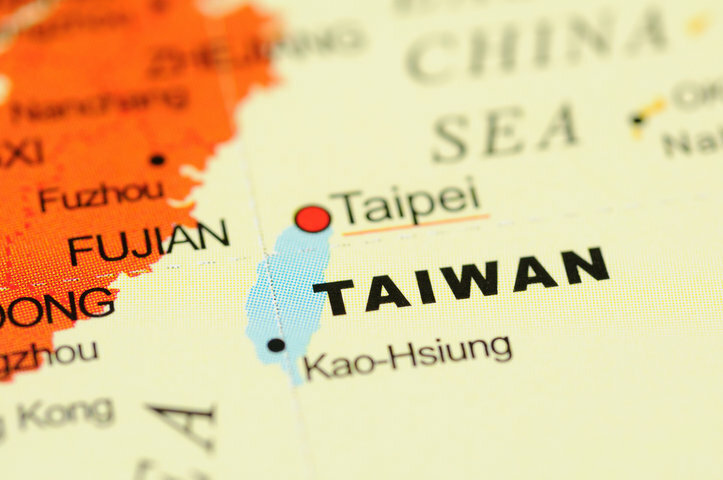
China imposed sanctions on 20 U.S. defense companies and 10 of their senior executives on December 26, escalating retaliation for the Trump administration’s approval of a major arms package for Taiwan and expanding Beijing’s use of its Unreliable Entity List and related counter-sanctions authorities.

The U.S. Treasury Department on Tuesday sanctioned 10 individuals and entities in Venezuela and Iran for supporting weapons proliferation, including a Venezuelan aviation firm linked to the sale and assembly of Iranian combat drones for Venezuela’s armed forces.
A new English High Court decision has sharply limited when U.S. sanctions can excuse contractual non-performance under English law, underscoring the need for express sanctions carve-outs in contracts involving U.S. exposure, according to a recent client alert from DLA Piper.
U.S. Secretary of State Marco Rubio December 23 announced visa restrictions on five individuals he accused of acting as “agents of the global censorship-industrial complex,” a move that has intensified tensions between Washington and European governments over technology regulation and online speech.
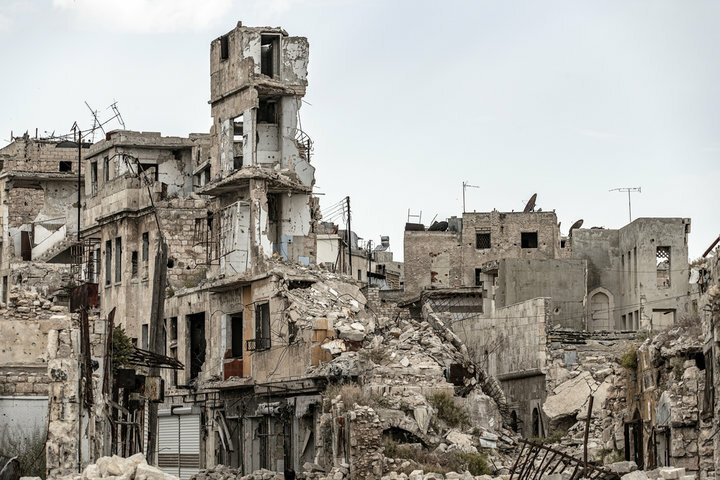
The U.S. Treasury Department said Tuesday that Syria-related sanctions now target only “the worst of the worst,” following publication of an amended Tri-Seal Advisory reflecting the repeal of the Caesar Syria Civilian Protection Act of 2019. Comprehensive U.S. sanctions on Syria have been lifted, clearing most civilian trade and financial activity.
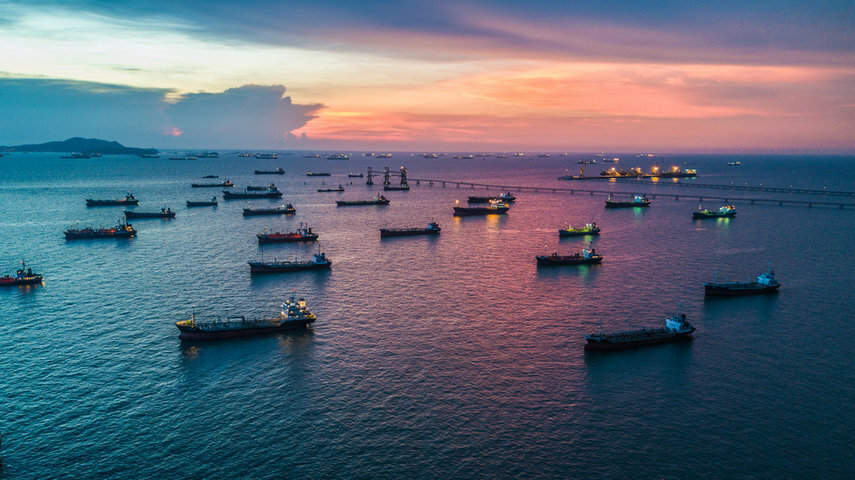
Maritime sanctions enforcement is increasingly driving operational outcomes in global trade, creating risks for charterers, cargo owners, insurers, ports, and intermediaries. Recent U.S. actions tied to Venezuela-linked oil movements—alongside sustained enforcement targeting Iran and Russia—underscore a structural shift for logistics and compliance professionals: sanctions risk is no longer confined to pre-fixture screening. It can crystallize mid-voyage, with immediate commercial consequences.
OFAC has reached a $3.1 million settlement with Exodus Movement, Inc., an Omaha-based financial technology company that develops non-custodial digital asset wallet software, to resolve potential civil liability for violations of U.S. sanctions on Iran.

Calling it "a very good move on the part of the U.S. for Belarus" the White House is easing U.S. sanctions on Belarus, removing restrictions on key potash producers and exporters, furthering the administration's unwinding of sanctions on Russia's staunchest ally in the invasion of Ukraine.
The U.S. Trade Representative said it will impose new Section 301 tariffs on imports from Nicaragua in response to labor and human-rights abuses and the erosion of the rule of law, concluding that these practices burden or restrict U.S. commerce.
Forty-four Democratic members of Congress have urged Secretary of State Marco Rubio to impose targeted sanctions on senior Pakistani officials, citing what they call an escalating pattern of repression and human rights violations.
On 17 December, FCDO and OFSI will be holding a webinar on the move to a single list for UK sanctions designations.
Treasury’s Office of Foreign Assets Control (OFAC) issued a $7,139,305 civil penalty against New York–based Gracetown Inc. for violations of U.S. Russia-related sanctions tied to Oleg Deripaska, the Kremlin-linked oligarch designated in April 2018. The penalty is near the statutory maximum and underscores OFAC’s increasing emphasis on strict liability, timely reporting of blocked property, and adherence to prior agency warnings.
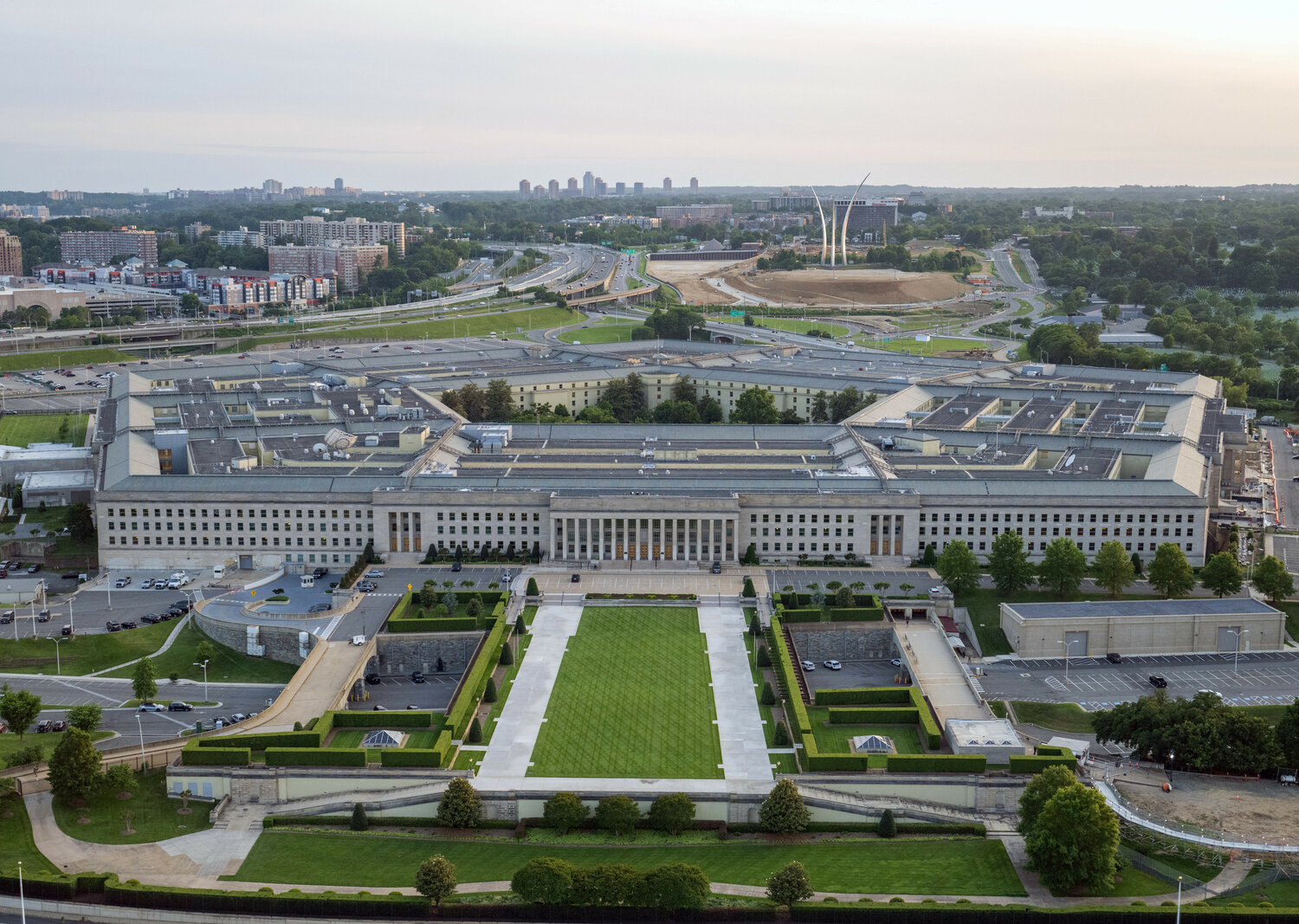
The Pentagon has concluded that Alibaba Group Holding, Baidu Inc. and BYD Co. should be added to the U.S. “Section 1260H” list of companies deemed to support China’s military, according to an Oct. 7 letter from Deputy Defense Secretary Stephen Feinberg to congressional defense committees.
Serbia is racing to preserve operations at its only oil refinery as negotiations to remove Russian ownership from Naftna Industrija Srbije (NIS) stall and U.S. sanctions deadlines tighten.
The United States has issued a narrowly tailored sanctions waiver for Hungary’s Russian-built Paks II nuclear expansion, clearing a controlled pathway for transactions needed to advance the project while Budapest accelerates its shift toward U.S. nuclear fuel.

A working paper by the Federal Reserve Board asserts that large language models (LLMs) can materially improve sanctions-screening performance — reducing false positives by more than 90 % while modestly improving true-match detection.
The U.S. Treasury’s Office of Foreign Assets Control on Friday issued four Russia-related general licences allowing limited, time-bound transactions involving Lukoil and certain affiliated assets following the company’s designation under Executive Order 14024.
The U.S. Department of the Treasury's Office of Foreign Assets Control announced new sanctions Wednesday targeting another head on the hydra of cyberscams originating in Southeast Asia and a procurement network supporting Iran's missile program.

Serbia and the Russian co-owners of Naftna Industrija Srbije (NIS), the operator of Serbia’s only oil refinery, will formally request this week that the U.S. government grant a new waiver from sanctions targeting the company’s Russian ownership, President Aleksandar Vučić said in a national television interview.

The White House confirmed that President Trump has granted Hungary a temporary exemption from U.S. sanctions on imports of Russian oil, providing a significant diplomatic win for Prime Minister Viktor Orbán amid mounting pressure over Budapest’s energy ties to Moscow.