
The Trump administration's agreement to secure long-term access to a substantial portion of Venezuela's oil reserves will make the U.S. government itself an investor in the country's energy sector, an unprecedented expansion of Washington's role in implementing its Venezuela policy.

Andrea Gacki is closing a 25-year career in federal service with an enforcement action that neatly captures her approach: exacting about failures, skeptical of paper compliance and focused on whether financial controls work in practice.
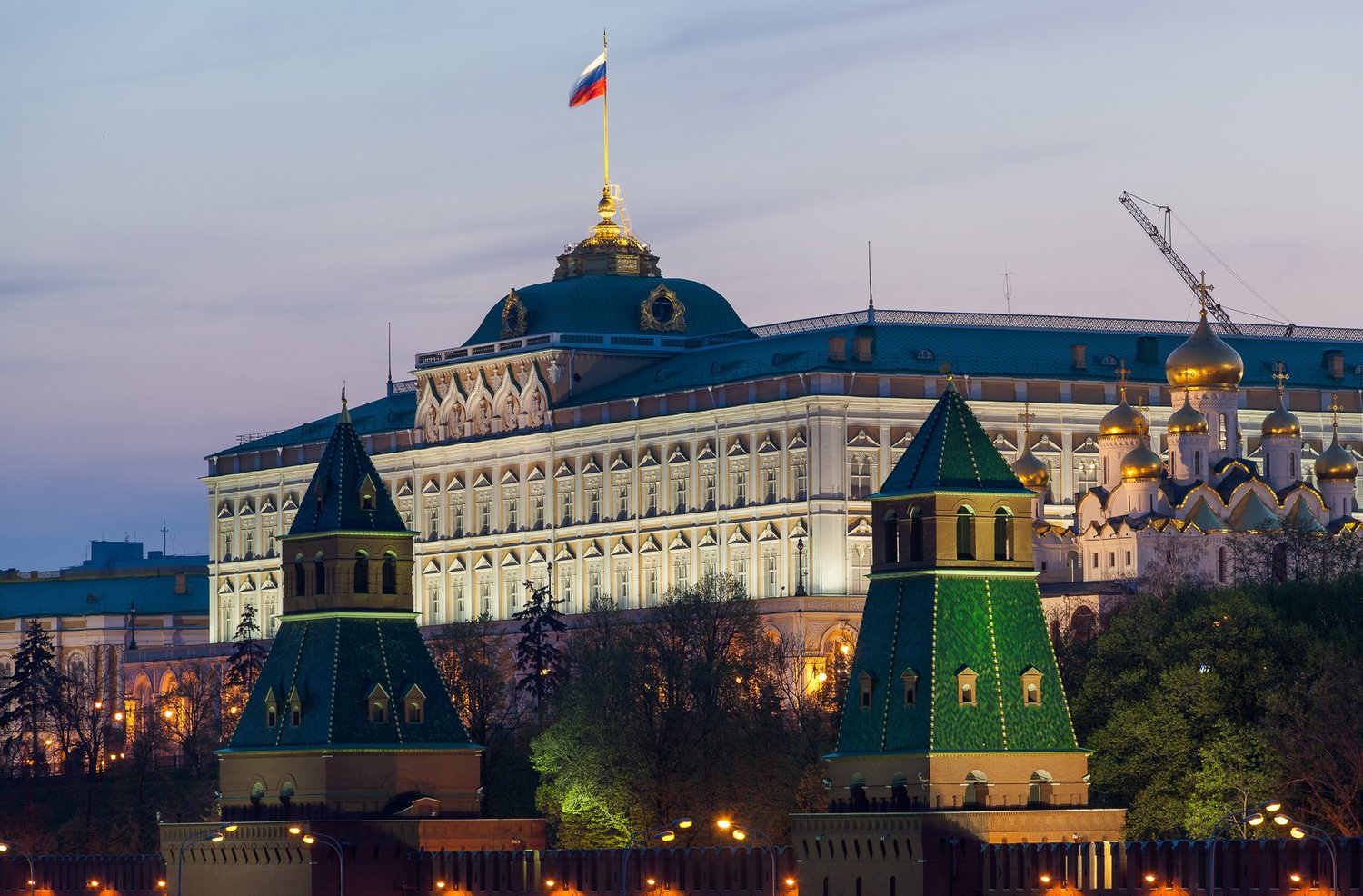
The United States is moving toward a major expansion of sanctions authority against Russia even as the Trump administration reopens high-level contacts with Moscow and adopts a more selective approach to sanctions enforcement.
Banque Misr UAE proposal puts financial institutions on notice, while suspended licenses and expanded sectoral authorities require reviews of open transactions, counterparties and Hormuz shipping arrangements.

OFAC's expanding licensing program has reopened significant portions of Venezuela's economy to U.S. business while preserving a complex sanctions framework that requires transaction-by-transaction compliance.
The licenses may open a lawful path for certain transactions, but Venezuela’s gold sector remains exceptionally vulnerable to corruption and illicit finance. OFAC authorization does not protect transactions that otherwise involve corruption, designated groups or illegally sourced gold.
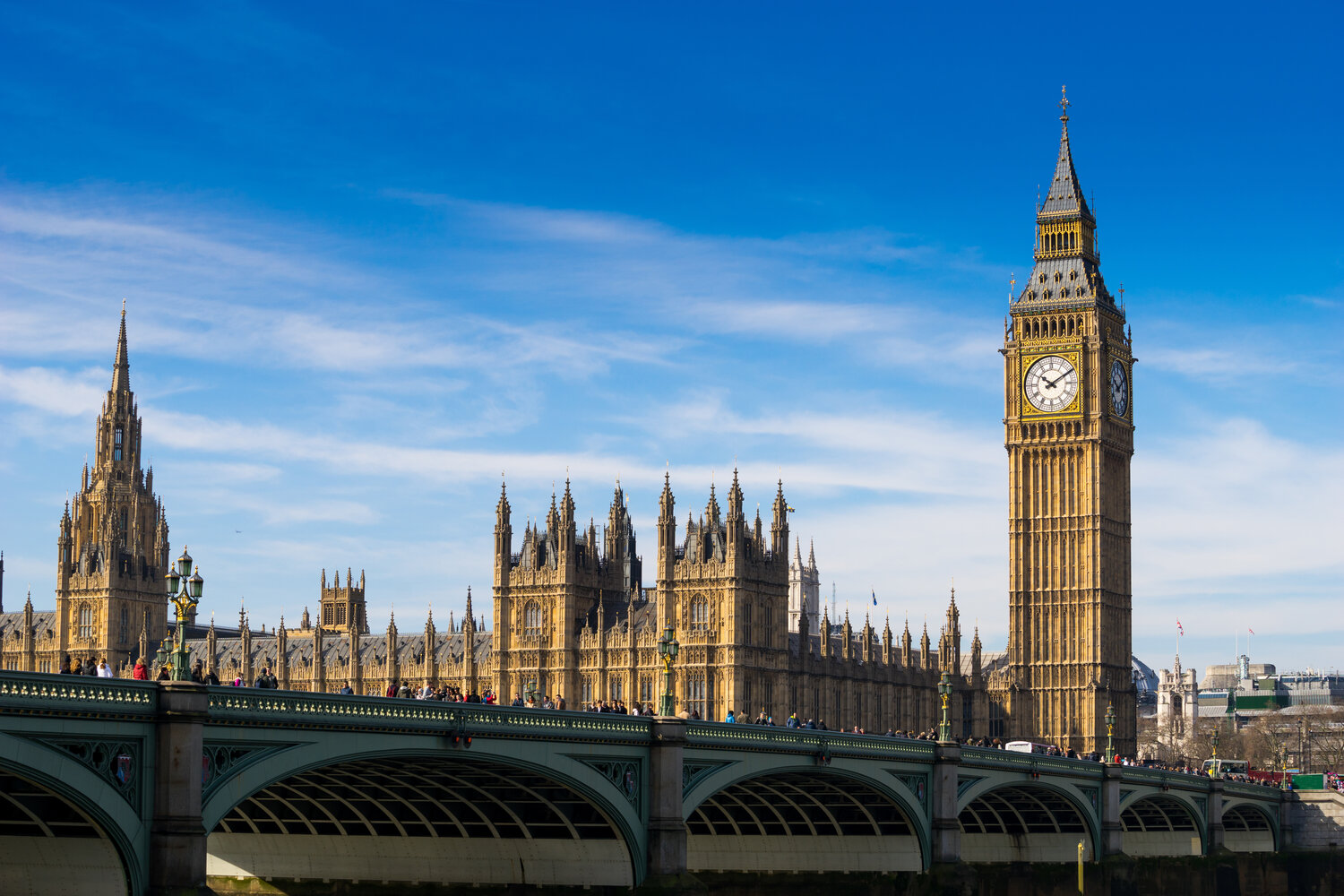
The Citi case shows that UK sanctions enforcement remains active and increasingly focused on systems-and-controls failures, even where regulators find no deliberate evasion. It also arrives as the government moves to double OFSI’s maximum financial penalties, potentially making future cases considerably more expensive.

OFAC is easing contractual barriers for oil, mining and telecommunications transactions as the Trump administration reportedly negotiates an ownership stake in fields holding 90 billion barrels of crude. Venezuela’s possible departure from OPEC would deepen that realignment while weakening a cartel it helped establish.

The measures extend sanctions risk beyond the parties named Monday, exposing foreign companies involved in five Iranian sectors, Strait of Hormuz payments and previously authorized transactions. Their effect will depend on whether Washington targets the major banks, refiners and shipping networks supporting Iran’s trade, particularly with China.

The measure is a proposed Section 311 restriction, not an asset freeze or blocking sanction imposed by Treasury’s Office of Foreign Assets Control. It would restrict Banque Misr UAE’s direct and indirect access to US correspondent banking but would not freeze its assets or designate the Egyptian parent bank.

The formal filing completes Washington’s dismantling of the principal countrywide restrictions that isolated Syria from global commerce for decades. Its economic impact will now depend on whether banks and companies are prepared to manage Syria’s continuing compliance, security and political risks.
Iran’s military said Tehran and Oman had agreed on how to divide revenue associated with shipping through the Strait of Hormuz, a claim that could complicate efforts to restore commercial …

The sanctions place three markedly different organizations under the same counterterrorism authority: a British direct-action group, a militant Palestinian political movement and Autistici/Inventati, a decentralized Italian digital-services collective.
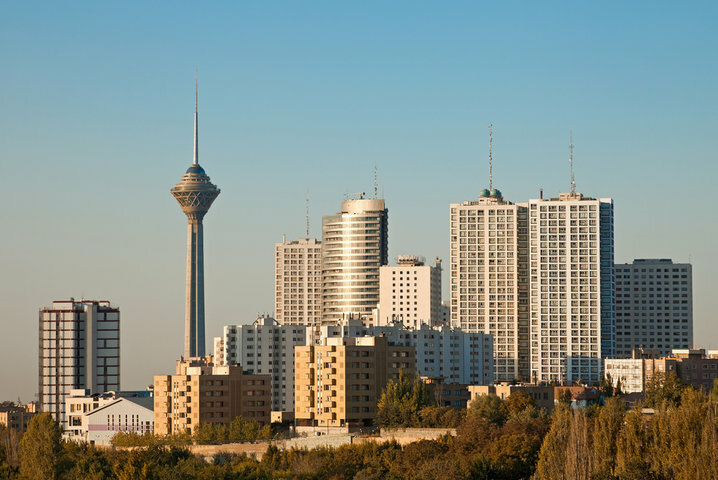
The action creates both immediate compliance duties and broader prospective risk. Companies must rescreen counterparties and vessels, identify entities covered by OFAC’s 50% Rule, and wind down transactions relying on suspended remittance, educational and exchange authorizations by Sept. 8. At the same time, the addition of aviation, digital assets, gold, shipping and technology under Executive Order 13902 gives Treasury wider authority to sanction non-U.S. businesses supporting those sectors of Iran’s economy.

The U.S. Treasury Department’s Office of Foreign Assets Control issued two general licenses permitting certain telecommunications-related activities involving Venezuela.

The remarks provide the clearest indication yet that Washington is preparing sweeping secondary sanctions designed to force foreign governments, banks and companies to choose between doing business with Iran and retaining access to the U.S. economy.

The sanctions deepen a U.S. campaign whose reach extends far beyond conventional asset freezes. Because American companies dominate global banking, cloud computing and communications infrastructure, an OFAC designation can disable email and digital services, disrupt access to case files and deter organizations from working with the court.

He offered no details about potential targets, leaving unclear whether the administration intends to impose new sanctions, intensify enforcement of existing restrictions or penalize additional foreign companies and governments doing business with Tehran.

The reversal marks a broader shift from containing revanchist Bosnian Serb nationalism through sanctions and international oversight to managing it through negotiation, economic incentives and selective accommodation—a strategy that may ease immediate tensions but risks rewarding the actors challenging Bosnia’s postwar order.

The ruling gives foreign companies a potentially powerful basis to defeat U.S. lawsuits arising from overseas disputes, even when they maintain substantial American operations. However, U.S. courts may confirm treaty-governed arbitral awards against foreign sovereigns without a separate U.S. nexus.