
Switzerland has partially implemented the European Union’s 20th Russia sanctions package, expanding its Russia and Belarus sanctions lists while leaving the EU’s broader financial, energy and trade measures for later Federal Council review.
The White House will continue for one year the national emergency underlying U.S. sanctions authorities for Belarus.

The ruling gives new force to Helms-Burton litigation by rejecting a narrow temporal limit on claims tied to Cuban-confiscated property. The decision signals that companies doing business around nationalized Cuban assets may face Title III exposure even decades after the original seizure.
Britain’s latest Russia sanctions package largely tracks the EU’s 20th round in targeting Moscow’s energy revenue, shipping networks and military-industrial supply chains, but it is not a mirror measure.

The Treasury Department’s Office of Foreign Assets Control said Friday it is not implementing or enforcing sanctions against Francesca Albanese, the U.N. special rapporteur on human rights in the occupied Palestinian territories, while a federal court injunction remains in effect.

House China hawks have introduced legislation that would prohibit federally funded researchers from using federal awards to collaborate with entities on U.S. government restricted-party lists or with individuals associated with those entities.
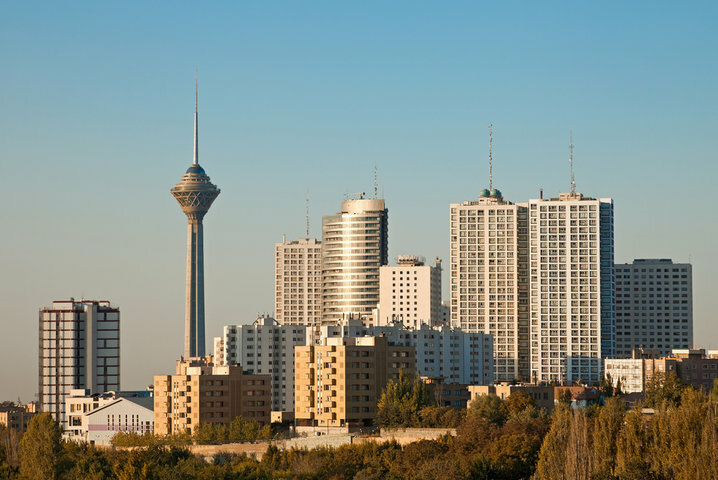
Treasury’s latest Iran action underscores a broader shift in U.S. sanctions activity: Iran has overtaken Russia as OFAC’s primary sanctions target for the first time since Moscow’s 2022 invasion of Ukraine.
Receiving an OFAC administrative subpoena from the U.S. Department of the Treasury’s Office of Foreign Assets Control (OFAC) is an unsettling event, especially if you are an individual or company …

The Treasury Department on Friday May 8 sanctioned 10 individuals and companies accused of helping Iran’s military procure weapons and materials used in Shahed-series unmanned aerial vehicles and ballistic missiles, in the latest action under the administration’s “Economic Fury” pressure campaign.
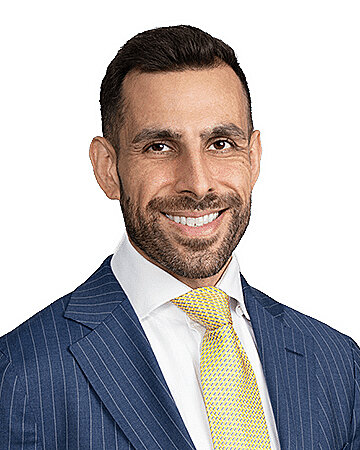
For businesses and individuals who find themselves on the Office of Foreign Assets Control’s Specially Designated Nationals list, a few firms stand out that offer hope for redemption. Ferrari & Associates is one of them. With 17 years of experience advising clients on how to get off OFAC’s list or avoid sanctions in the first place, founder Erich Ferrari has racked up wins, bringing more than a few blacklisted entities back to life from the designation known as “civil death.”

OFAC moved Thursday, May 7 to implement President Trump’s new Cuba sanctions order, adding a new [CUBA-EO] sanctions tag to two major Cuban entities and issuing Cuba General License 1 and six new FAQs. The compliance significance is not that OFAC added new names, but that it began operationalizing the new Cuba program through list tagging, licensing and guidance.
The actions preserve OFAC control over any CITGO-linked enforcement while allowing lawyers, financial advisers and consultants to begin the technical work needed for a potential restructuring.

President Trump signed a new Cuba sanctions executive order May 1 authorizing blocking sanctions against foreign persons tied to repression, corruption, Cuban government entities or specified sectors of the Cuban economy. The order targets foreign persons determined to operate in Cuba’s energy, defense and related materiel, metals and mining, financial services, or security sectors, as well as any other Cuban sector later identified by Treasury in consultation with State.
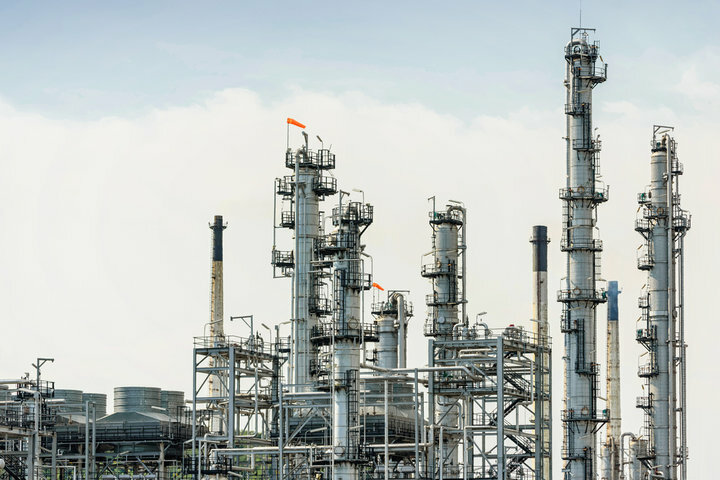
The Treasury Department’s Office of Foreign Assets Control warned financial institutions that transactions involving China’s independent “teapot” refineries carry heightened sanctions risk because of their role in buying and refining Iranian crude.

The Treasury Department sanctioned three Iranian foreign-currency exchange houses and a group of associated front companies, widening its “Economic Fury” campaign against the financial networks used to move and convert Iran’s oil and petrochemical revenue.
OFAC’s new Russia-related General License 131E gives buyers, advisers and financial institutions more time to structure a potential sale of Lukoil International GmbH and its majority-owned subsidiaries, but Treasury is preserving the central sanctions constraint: no actual transfer of the assets may occur without a separate OFAC license, and no funds may move to Russia.
The Treasury Department on Friday sanctioned a major China-based independent refinery and a network of shipping companies and tankers it said were moving Iranian petroleum and petrochemical products to Asian markets, marking another escalation in the Trump administration’s “Economic Fury” campaign against Iran’s oil revenues.

The European Union adopted its 20th Russia sanctions package Thursday, expanding pressure on Moscow’s energy revenues, financial system and military-industrial supply chains while tightening restrictions on the “shadow fleet” used to evade oil-related sanctions.
Canada has issued sector-specific sanctions guidance for aerospace and defense companies, warning that firms handling dual-use, defense and aviation-related goods may need to assess sanctions exposure separately from export-control licensing.

The Treasury Department on April 23 sanctioned Cambodian senator and businessman Kok An, Crown Resorts, Anco Brothers, and 26 other people and companies tied to what OFAC described as a scam-center network that defrauded Americans through romance and digital-asset investment schemes.