
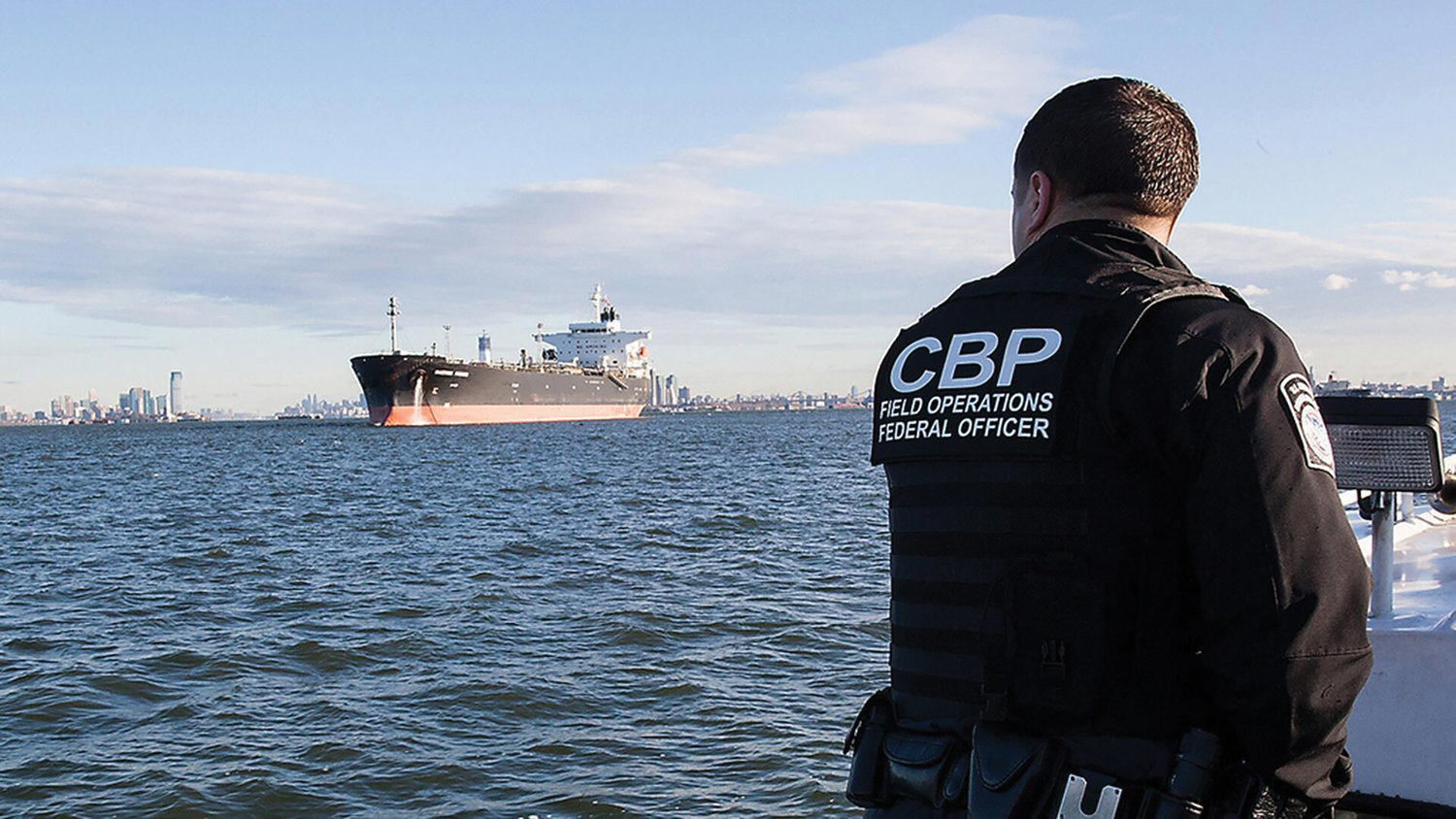
As Congress approaches the midnight January 30 deadline to avert a lapse in funding for the Department of Homeland Security (DHS), the prospect of a partial government shutdown has heightened concerns about the continuity of U.S. Customs and Border Protection (CBP) operations.
Funding for DHS — which includes CBP, Transportation Security Administration (TSA), U.S. Citizenship and Immigration Services (USCIS), and other components — remains unresolved, raising the possibility that certain agency functions could be curtailed if appropriations are not enacted.
The House of Representatives has passed the fiscal year 2026 appropriations package, including the Department of Homeland Security (DHS) funding measure (House bill H.R. 7147), by a narrow vote of 220-207. The bill allocates roughly $64 billion for DHS. In the Senate, Democrats, led by Minority Leader Chuck Schumer, are refusing to support the package, as it includes DHS funding without substantive reforms to ICE and Border Patrol operations.
Under DHS’s detailed “Procedures Relating to a Lapse in Appropriations” contingency plan [link], exempted national security and public safety functions will continue without interruption during a funding lapse, as permitted by law.
More than 90 percent of the department’s workforce, including CBP officers, Border Patrol agents, and allied law-enforcement personnel, would be designated as excepted or exempt and required to report for duty, though pay and administrative support may be delayed until funding is restored.
CBP will maintain core revenue and enforcement activities in a shutdown scenario. U.S. tariff collections, for example, are scheduled to continue even in the absence of appropriations, preserving a critical source of federal revenue and allowing basic import processing to persist. However, several operational and administrative functions that support international trade are likely to be affected:
Non-routine entry processing — Complex customs entries and duty drawback filings may face delays due to reduced staffing and administrative support, as furloughed personnel are not permitted to perform non-essential work.
Post-entry matters — Protest adjudications, appeals, and certain classification or valuation reviews that require discretionary resources could be deferred.
Audits and compliance requests — Scheduled compliance reviews, importer self-assessment audits, and voluntary disclosures may be postponed until regular appropriations resume.
Advisory and administrative services — Training programs, stakeholder engagement, and issuance of advisory rulings are likely to be suspended or scaled back.
These impacts reflect the statutory distinction between essential “excepted” activities that protect life and property and discretionary functions that require annual appropriations.
Importers and exporters should note that CBP’s enforcement authority remains fully intact throughout any funding lapse; officers will continue to enforce customs, trade and immigration statutes with full authority, and enforcement actions paused during the shutdown may resume with renewed intensity once appropriations are enacted.
Compliance reviews and penalties delayed during a shutdown will not be waived, but rescheduling could compress procedural timelines for regulated entities.
DHS’s shutdown contingency guidance from September 2025 provides clarity on which activities will continue and which will be curtailed, but the effective execution of these plans depends on the department’s leadership posture and available administrative capacity during any funding lapse.
Beyond trade functions, a shutdown would also affect other DHS components such as TSA and USCIS. While fee-supported operations (including certain visa and passport services) may continue where legally permissible, services that depend on discretionary appropriations could be suspended until funding is restored.


Comments
No comments on this item Please log in to comment by clicking here