
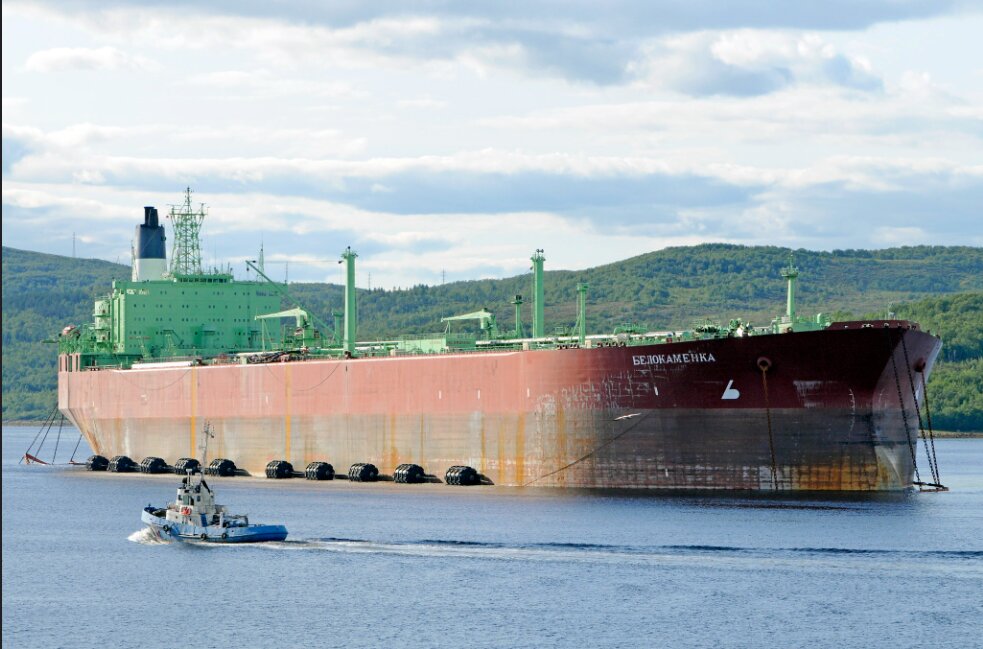
In a coordinated move aimed at tightening sanctions on Russia’s war economy, the European Union, United Kingdom, and Canada have each lowered the price cap on seaborne Russian-origin crude oil to $47.60 per barrel, down from the previous $60 cap set in 2022. The US declined to participate.
The European Union’s revised cap took effect on September 3, pursuant to its 18th sanctions package targeting Russian revenue streams linked to the invasion of Ukraine. A transition period allows contracts signed before July 20 under the old $60 cap to be executed until October 18.
The United Kingdom implemented an identical $47.60 cap effective 23:01 BST on September 2, also providing a 45-day wind-down window for legacy trades. Canada followed suit, announcing parallel measures with a comparable non-application period.
By contrast, the United States has maintained its original $60 cap, introduced by the Biden Administration December 2022, disrupting the Western-led Price Cap Coalition. At a G7 finance ministers’ meeting in June 2025, Reuters reported that Treasury Secretary Scott Bessent remained unconvinced of the need to lower the existing $60‑per‑barrel cap on Russian oil, despite pressure from European partners.
Inaction on this matter by the US Government is consistant with the imposition of no new sanctions on Russia since Mr. Trump's re-taking of the White House.
According to EU officials, the adjustment reflects updated shipping and insurance cost estimates and aims to further limit Russia’s export earnings amid continued aggression in Ukraine. The cap seeks to constrain Russian oil revenues without disrupting global energy markets. Since 2022 the cap was imposed oil prices have fallen nearly a fifth, leaving the $60 cap much less punitive.
Analysts note that Russia has increasingly relied on a “shadow fleet” of tankers and non-Western insurers to circumvent enforcement and continue selling oil above capped prices, especially to China and India. The effectiveness of the cap thus depends on broad coalition enforcement and global compliance.
The U.S. administration has not commented publicly on whether it will revise its cap level.


Comments
No comments on this item Please log in to comment by clicking here