
The U.S. Trade Representative said it will impose new Section 301 tariffs on imports from Nicaragua in response to labor and human-rights abuses and the erosion of the rule of law, concluding that these practices burden or restrict U.S. commerce.
The United States is backing a Moroccan company’s plan to produce high-purity silicon used in semiconductors and solar panels, as part of broader efforts to diversify supply chains away from China’s dominance in critical tech materials, Bloomberg reported Monday.

Scott Lincicome of the Cato Institute warns that the most damaging feature of the Trump administration’s tariff program is not only higher duties but the unprecedented bureaucracy attached to them.
The Office of the U.S. Trade Representative (USTR) has opened a formal review of the operation of the United States–Mexico–Canada Agreement (USMCA) as it applies to trade in automotive goods and is soliciting public comment ahead of a July 1, 2026 report to Congress.
Taiwanese President Dr. Lai Ching-te used an interview December to discourage the U.S. from permitting sales of advanced artificial intelligence chips to mainland China, comparing the decision to a reckoning Taipei faced 25 years ago.
The Office of the U.S. Trade Representative (USTR) has extended all 178 active Section 301 product exclusions for Chinese-origin goods through November 9, 2026, formalizing a key element of the trade and economic agreement announced by Presidents Trump and Xi on November 1.
The United States has launched three additional enforcement proceedings under the USMCA’s Rapid Response Labor Mechanism (RRM), targeting alleged denials of freedom of association and collective-bargaining rights at facilities in San Luis Potosí, Querétaro, and Jalisco.
The United States has issued a narrowly tailored sanctions waiver for Hungary’s Russian-built Paks II nuclear expansion, clearing a controlled pathway for transactions needed to advance the project while Budapest accelerates its shift toward U.S. nuclear fuel.
Select Committee on China Chair John Moolenaar (R-MI) and Ranking Member Raja Krishnamoorthi (D-IL) have urged Amazon and other e-commerce platforms to make country-of-origin information prominent and standardized across all product listings.
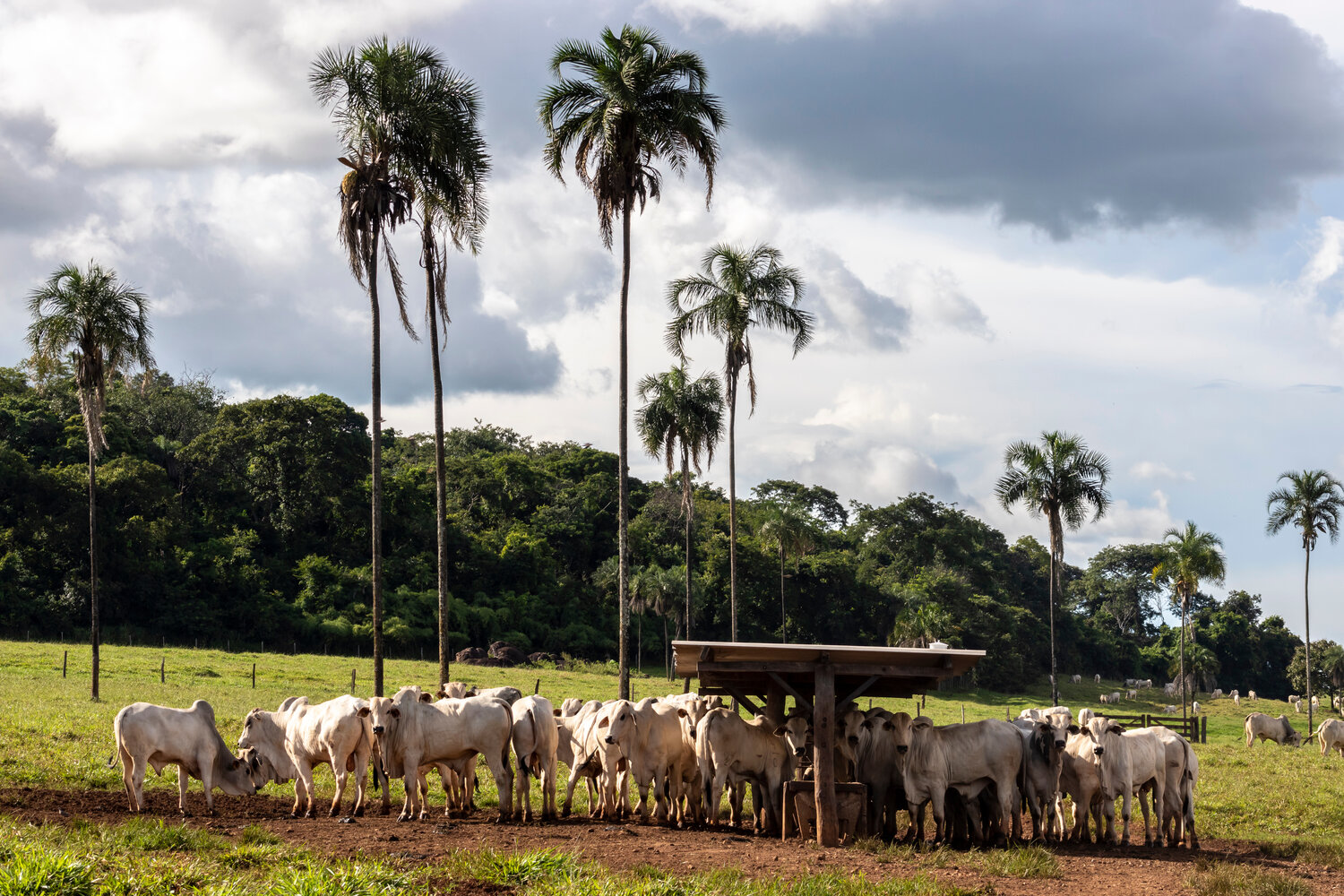
The White House has issued an executive order removing selected Brazilian agricultural products—including coffee and beef—from the 40 percent reciprocal tariff rate imposed under Executive Order 14323, citing progress in bilateral negotiations.
BIS announced updated delivery verification and import-certificate procedures in two Federal Register Notices Thursday. The paired actions—renewals of the Delivery Verification Procedure for Imports (0694-0016) and the International Import Certificate (IIC) (0694-0017)—are routine Paperwork Reduction Act submissions.
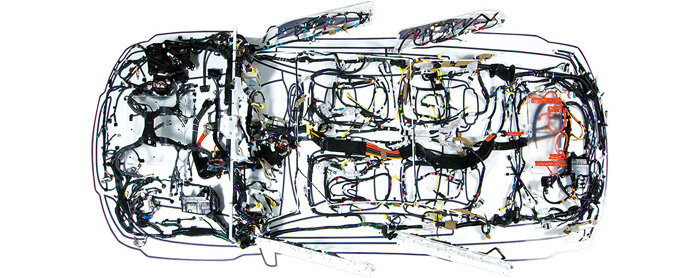
The Office of the U.S. Trade Representative has invoked the USMCA Rapid Response Labor Mechanism to examine whether workers at a Japanese wire harness plant in León, Guanajuato, are being denied the rights to freedom of association and collective bargaining. A similar complaint was filed against the plant two years ago.

U.S. Customs and Border Protection on Tuesday issued a Withhold Release Order (WRO) against Firemount Group Ltd., directing all ports of entry to detain garments, textiles and apparel manufactured in Mauritius after investigators found indicators of forced labor in the company’s operations.

The Bureau of Industry and Security will officially wait at least a year, effective Monday, before the agency expands export licensing restrictions to cover corporations owned in part by restricted entities. The move, announced last month on the heels of President Donald Trump’s meeting with Chinese leader Xi Jinping, is best viewed as a deceleration of the policy’s rollout, according to experts.

The arguments Wednesday before the U.S. Supreme Court over the president’s authority to reshape import tariffs in response to international emergencies ranged from rousing questions about Congress’s ability to hold onto its trade mandate to talk of pastries. Here are the moments we’re still talking about.
President Donald Trump met with Japanese Prime Minister Sanae Takaichi in Tokyo this week to advance previously announced bilateral economic initiatives. The visit resulted in two signed agreements: a U.S.–Japan Critical Minerals Framework and a framework agreement outlining Japanese public and private investment in the United States.
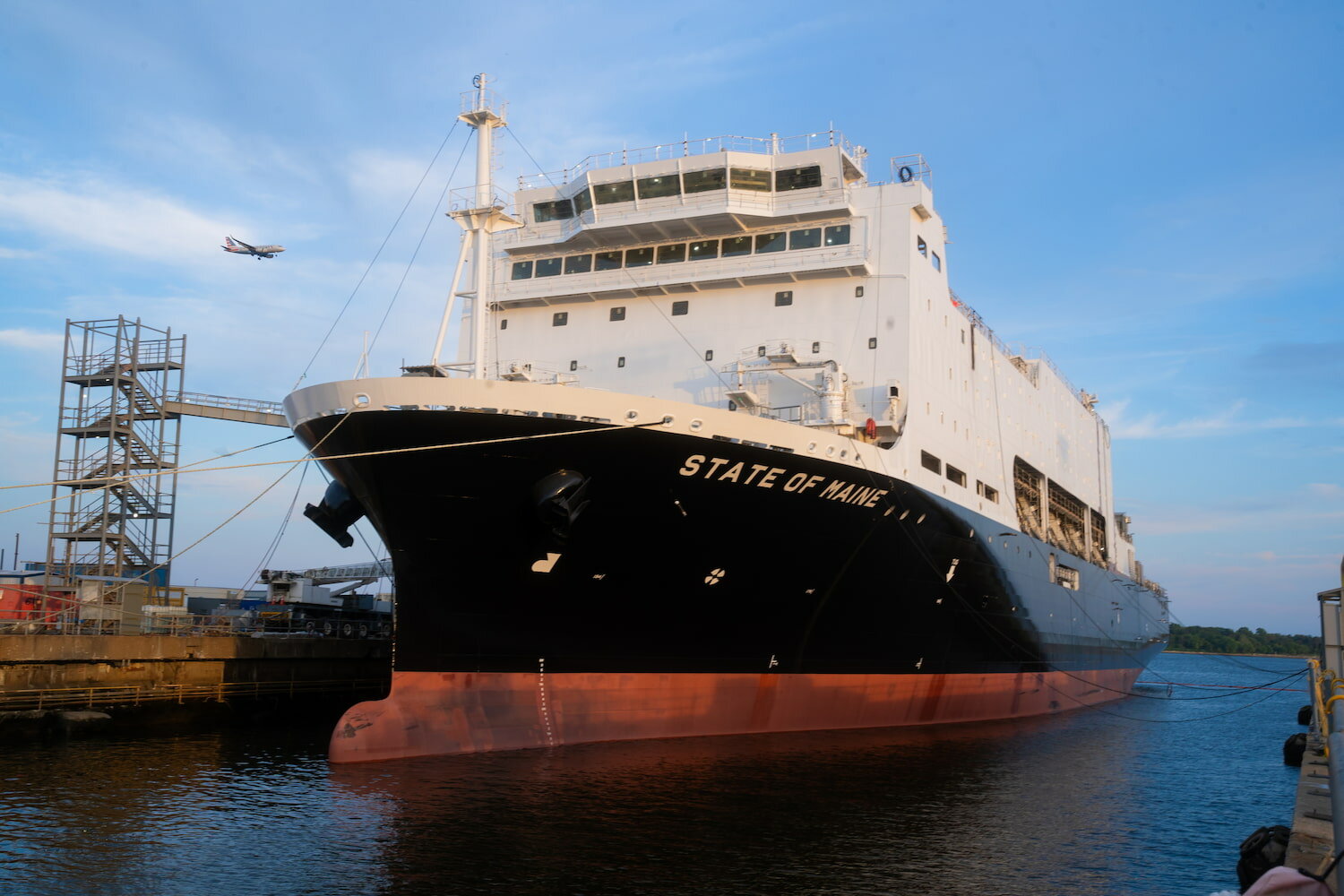
The United States and South Korea finalized a series of landmark agreements spanning trade, investment, shipbuilding, critical technologies, and defense industrial cooperation, marking a significant restructuring of the bilateral economic relationship.
The U.S. Department of Transportation (DOT) escalated its aviation dispute with Mexico with two actions issued October 28 and 29, 2025, targeting cargo operations and commercial routes of multiple …

The Federal Communications Commission on October 28 approved new rules to close regulatory loopholes that have allowed telecommunications equipment from Chinese firms such as Huawei and Hikvision to continue entering the U.S. market despite national security restrictions.

U.S. companies and financial institutions are preparing for the possibility of massive tariff refunds as the Supreme Court prepares to hear a landmark case challenging President Donald Trump’s use of the International Emergency Economic Powers Act (IEEPA) to impose sweeping import duties.