

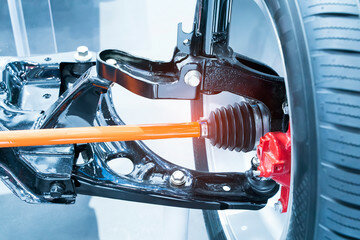
President Donald Trump signed an Executive Order on April 29 designed to mitigate the cumulative tariff burden imposed on imports under various U.S. trade remedy authorities. A separate Presidential Proclamation issued the same day modifies the 25% Section 232 tariff on imported auto parts, allowing U.S. manufacturers to claim offsets:
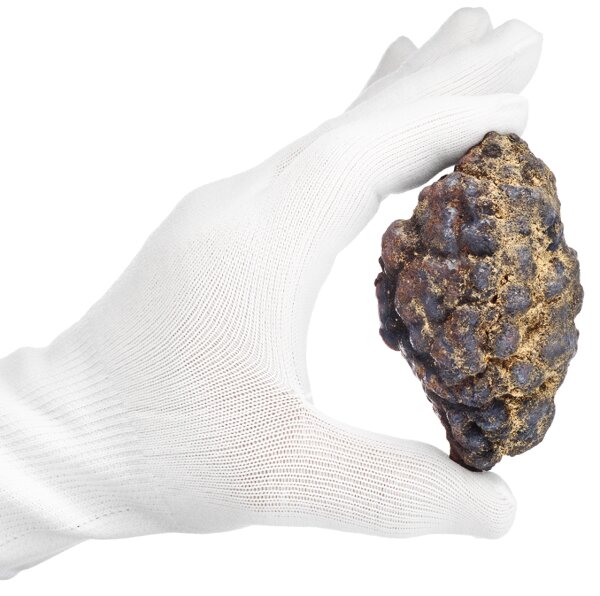
President Trump’s recent executive order to expedite deep-sea mining has ignited widespread criticism from environmental groups, scientists, and international bodies. The directive aims to accelerate the permitting process for seabed mineral extraction in both U.S. and international waters, citing national security and economic interests in securing critical minerals like nickel, cobalt, and manganese.
US Customs & Border Protection has published an FAQ page on the International Emergency Economic Powers Act (IEEPA) as it relates to tariffs.

April has seen enforcement actions on Chinese work gloves, South Korean Sea Salt, and most recently a petition based on evidence of modern slavery in the Brazilian coffee industry.

President Trump has signed an Executive Order directing the Secretary of Commerce to initiate a Section 232 investigation under the Trade Expansion Act of 1962 into the national security implications of U.S. reliance on imported processed critical minerals and their derivative products.
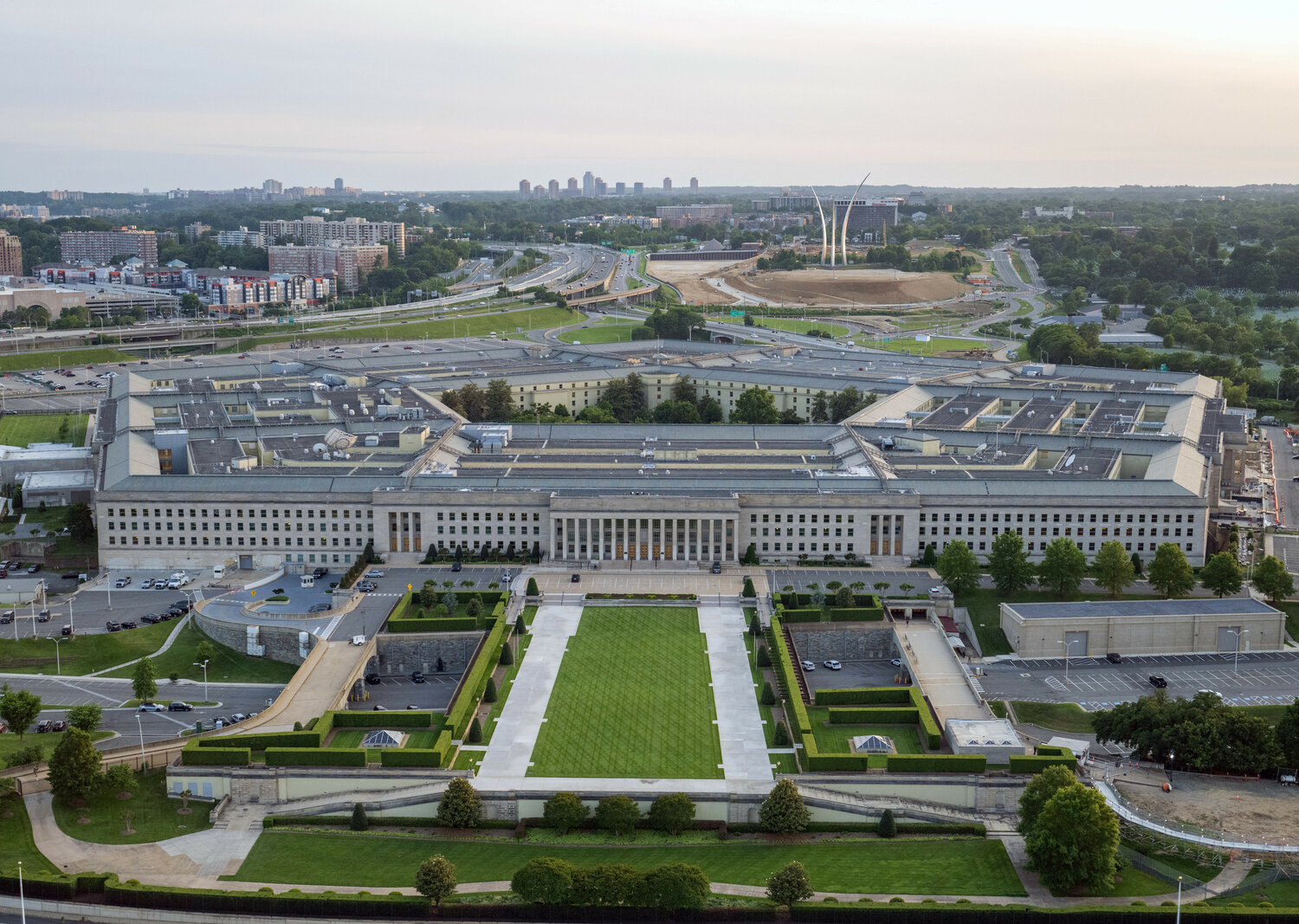
Senator Jeanne Shaheen (D-NH), a senior member of the Senate Armed Services Committee and Ranking Member of the Senate Foreign Relations Committee, sent a letter to Defense Secretary Pete Hegseth raising concerns over the national security implications of President Trump’s sweeping tariffs. Shaheen warned that tariffs imposed on imports from nearly every country risk undermining the Department of Defense’s purchasing power, weakening industrial supply chains, and driving up costs for defense contractors—particularly small businesses.

The Office of the United States Trade Representative has invoked the Rapid Response Labor Mechanism (RRM) in the United States-Mexico-Canada Agreement (USMCA) to review whether workers at Modern Metal Alloys, S.A. de C.V. (MMA), located in Querétaro, Mexico, are being denied the right to freedom of association and collective bargaining.

The U.S. Department of Commerce formally announced the initiation of two separate investigations under Section 232 of the Trade Expansion Act of 1962 to assess the impact of semiconductor-related and pharmaceutical-related imports on national security. The investigations, which will be conducted by the Bureau of Industry and Security (BIS), Office of Strategic Industries and Economic Security. The investigations will evaluate:

The U.S. Department of Justice has filed a civil complaint against Barco Uniforms Inc. and several affiliated entities and individuals, alleging violations of the False Claims Act stemming from an alleged scheme to underpay customs duties on imported apparel.
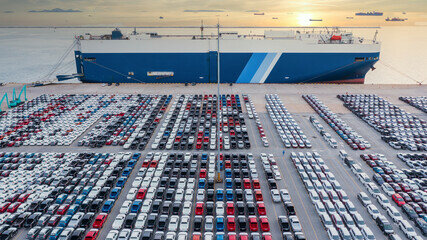
The US Trade Representative's office announced a schedule for the imposition of fees on Chinese-built vessels calling on US ports. Markedly less punitive than initially proposed, Thursday's announced Section 301 measures will be implemented in two phases an escalating per-ton charge on foreign ships and, three years out, a scheme to penalize non-US LNG carriers,

Continuing his crusade against Chinese batterymakers, Rep. John Moolenaar (R-MI) sent a letter to the CEOs of two banks "demanding the banks withdraw from their role" in the upcoming Hong Kong initial public offering (IPO) of Contemporary Amperex Technology Co., Limited (CATL).

The Trump administration’s imposition of new tariffs disrupts a longstanding international framework that has facilitated largely tariff-free aerospace manufacturing and trade since the 1980s, challenging a key exporting industry, according to the Aerospace Industries Association.
The Trump administration is revising its proposed port fees on Chinese-built vessels as it implements a sweeping Executive Order aimed at restoring American maritime strength. The administration reportedly plans to reduce the burden on exporters by basing fees largely on vessel capacity and easing charges on ships carrying U.S. agricultural exports such as soybeans and timber.
The Office of the United States Trade Representative (USTR) invoked the Rapid Response Labor Mechanism (RRM) under the United States-Mexico-Canada Agreement (USMCA) to request that Mexico review …

President Trump announced Wednesday that the United States will impose a 25% tariff on imported automobiles and automobile parts, including engines, transmissions, and electrical components, beginning April 3, 2025. The decision follows a renewed determination that such imports threaten national security by undermining the domestic automotive industrial base.
During the U.S. Trade Representative (USTR) hearings on March 24 and 25, 2025, industry stakeholders expressed significant concerns regarding the proposed port fees on Chinese-built and Chinese-operated vessels. The administration’s intent is to counter China’s dominance in shipbuilding and bolster the U.S. maritime sector. However, testimonies highlighted potential adverse effects on various U.S. industries. 
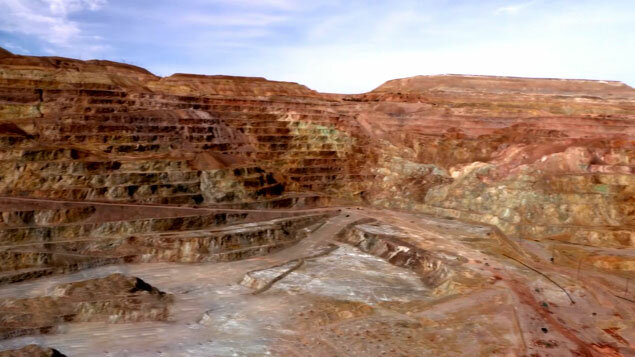
President Trump signed an executive order Thursday directing a sweeping federal effort to expand domestic production of critical minerals, citing national security and economic independence as primary justifications. The measure invokes the Defense Production Act and targets key resources such as uranium, copper, potash, gold, and aluminum, with provisions that may extend to coal.
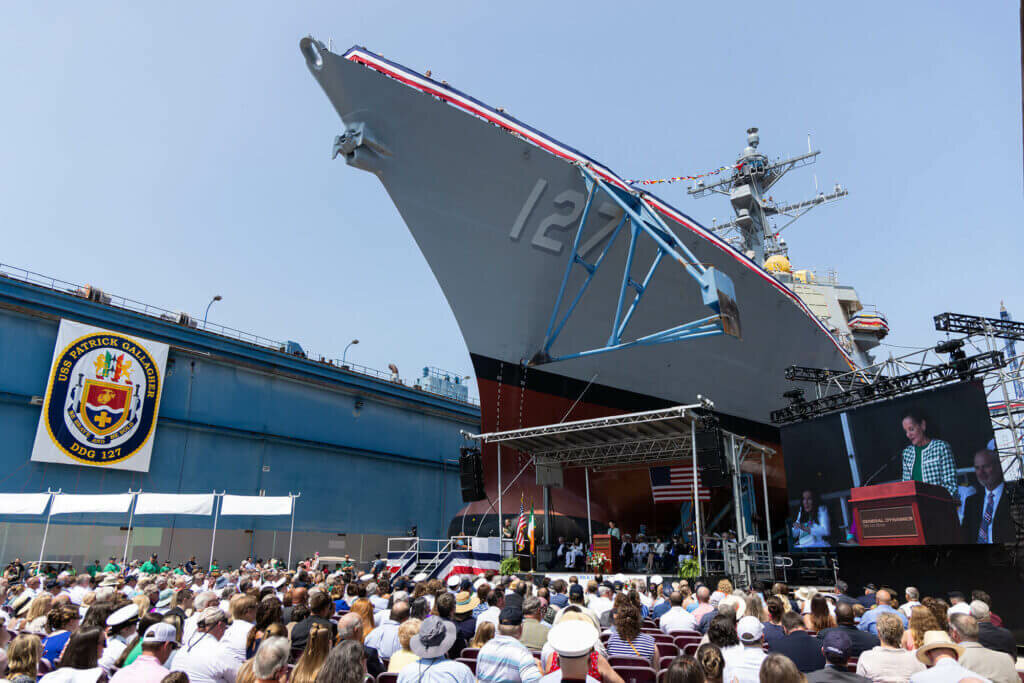
President Trump announced the creation of a new Office of Shipbuilding in the White House to boost the U.S. defense industrial base. The administration will resurrect the American shipbuilding industry, including commercial shipbuilding and military shipbuilding, he said. The order reportedly includes measures ranging from raising revenue from fees on Chinese-built ships and cranes entering the U.S., to establishing a new office at the National Security Council to strengthen the domestic maritime sector.

The President on Saturday signed an executive order to expedite logging on federal lands and launched an investigation that could lead to higher tariffs on Canadian softwood lumber. The executive order, titled Immediate Expansion of American Timber Production, directs federal agencies to streamline the permitting process for timber harvesting on public lands. Alongside this initiative, the president instructed Commerce Secretary Howard Lutnick to initiate a Section 232 investigation into the national security implications of lumber imports. Canadian softwood lumber imports to the U.S. are already subject to a 14.5% combined tariff, including both anti-dumping and countervailing duties. A proposed 25% tariff increase, if implemented, would raise the total levy to nearly 40%, potentially leading to higher lumber prices and construction costs across the country.
Peter Harrell, Non-Resident Fellow at the Carnegie Endowment, attorney, and host of the Security Economics Podcast shared with us his take on the anticipated timeline for upcoming tariff and trade actions under the Trump administration. While some dates are speculative and all are subject to change, the following milestones are expected: