

The designation elevates trade compliance from a largely administrative concern to a potential source of criminal, False Claims Act, and forfeiture exposure. Importers and other supply-chain participants should expect increased scrutiny of transshipment, country-of-origin declarations, customs valuation, tariff evasion, sanctions compliance, and forced-labor risks as DOJ expands its enforcement staff and data-analytics capabilities.

The ruling could force the Pentagon to build notice-and-response procedures into its expanding system of national-security blacklists, even as courts remain deferential to the government’s substantive judgments. Its unusual remedy gives Hesai a constitutional victory without immediate relief.
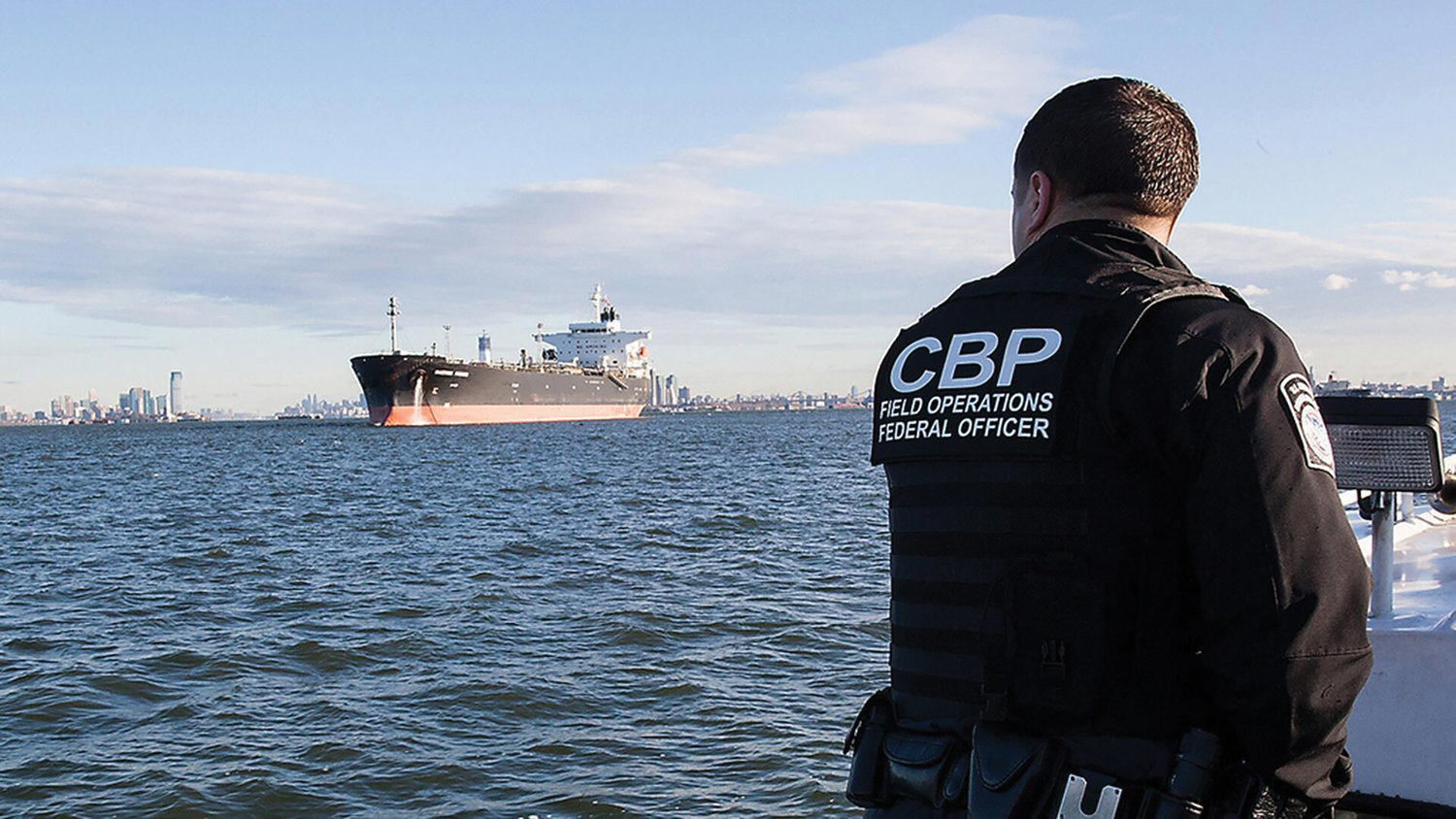
The partnership gives federal prosecutors a more direct route to the importer identities, entry declarations and supporting records held by CBP, making information once associated primarily with administrative customs reviews more readily available for False Claims Act investigations and criminal cases. Combined with CBP’s intensified review of Form 5106 data, the arrangement raises the stakes for importers whose identity, origin, valuation or classification records are inaccurate or inconsistent.

With diesel up 52%, fertilizer supplies disrupted and export markets bruised by tariff retaliation, Washington is pressing Lithuania to facilitate Belarusian potash exports despite its security concerns and EU sanctions obligations.

The notice is more than a Form 5106 cleanup exercise. It appears to establish the identity layer for broader enforcement involving tariff evasion, transshipment, country of origin, valuation, bonding and duty collection.

The White House’s “Great Transshipment Scam” report casts lawful sourcing shifts and trade involving Chinese inputs as potential customs fraud. Deborah Elms argues that this expansive definition could criminalize legitimate commerce, raise costs and drive further supply-chain disruption—much of it prompted by Washington’s own uneven tariffs.

Foreign vessels may continue carrying designated energy and agricultural cargoes between U.S. ports through Nov. 15, but domestic operators will receive the first opportunity to move each shipment.
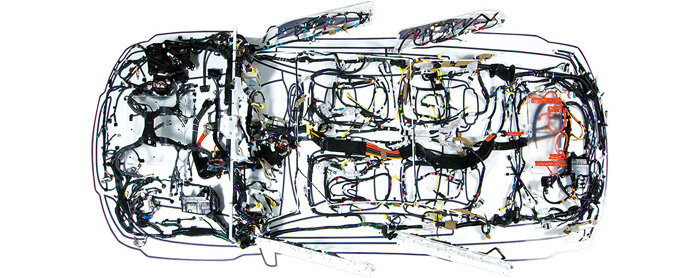
The agreement closes the second USMCA labor case involving the Japanese-owned León plant, highlighting persistent concerns about union independence at the facility despite corrective measures adopted after a similar 2023 dispute.

While the duties could benefit domestic manufacturers, they may also raise costs for American businesses that rely on imported aircraft and components for agriculture, construction, emergency response and other commercial operations.

The decision preserves higher costs and increased customs requirements for low-value imports—including packages shipped by retailers such as Shein and Temu—until Congress’s permanent repeal takes effect in July 2027. It also establishes that, although the Supreme Court barred Trump from using IEEPA to impose tariffs, the law may still support other trade restrictions by allowing the president to withdraw an existing import “privilege.”

The report lays the groundwork for tougher U.S. customs enforcement against both Chinese exporters and the intermediary countries and companies accused of helping them evade tariffs.
The revocations mark the FCC’s first completed national-security enforcement action against a drone company accused of disguising foreign-made equipment as American-produced. Agency says the company failed to respond after its purported Texas assembler denied having any relationship with it

The directive underscores growing concern that sustained combat operations have depleted U.S. missile defenses faster than manufacturers can replace them, potentially limiting Washington’s ability to respond to another major conflict.
The proceeding could significantly expand compliance obligations for equipment manufacturers, component suppliers, importers and online marketplaces by requiring greater visibility into the hardware, software and supply chains behind FCC-authorized products.

The commission’s equipment-authorization system is becoming a powerful import control for connected technology, extending national-security regulation into energy, robotics, cloud infrastructure and consumer products.

The court's attention is shifting from building the CAPE refund system to resolving the remaining legal questions—particularly whether importers whose entries reached final liquidation before CAPE was established are still entitled to refunds and how quickly the remaining billions of dollars can be disbursed.

The record expansion underscores that UFLPA enforcement is moving beyond familiar targets such as cotton and apparel into minerals, pharmaceuticals and other complex supply chains. The action raises the stakes of tracing indirect suppliers, monitoring corporate name and ownership changes, and investigating Xinjiang connections that may not appear in conventional trade or corporate records, says a former DHS official.

China unveiled a package of trade and regulatory measures on August 5, escalating its response to recent U.S. restrictions on Chinese technology and alleged forced-labor links. The Ministry of …
The policy could benefit U.S. manufacturers, but it risks raising costs for solar projects, electronics and automobiles—forcing the administration to balance national-security goals against the possibility of weaker demand and delayed energy development.

The Commerce Department will require U.S. sellers to reserve all covered black mass and tungsten scrap for domestic buyers beginning Aug. 27.