
The proposal is significant because it would push Section 232 tariffs further into finished goods used across construction, manufacturing, transportation and agriculture, potentially raising costs for U.S. importers and their customers.

The Federal Communications Commission continues to lead in strengthening U.S. industrial security, preparing a ban on imports of new Chinese optical transceivers used in American data centers.
President Trump has authorized the Commerce Department to restrict exports and otherwise control the distribution of recoverable critical minerals and materials under the Defense Production Act.
CBP’s record shows that antidumping-duty evasion is being treated as a repeatable enforcement program, supported by overseas verification and importer-specific measures.

The inquiry highlights a widening policy debate over whether low-cost, customizable Chinese AI models offer American companies a competitive advantage or create unacceptable security and economic dependencies.
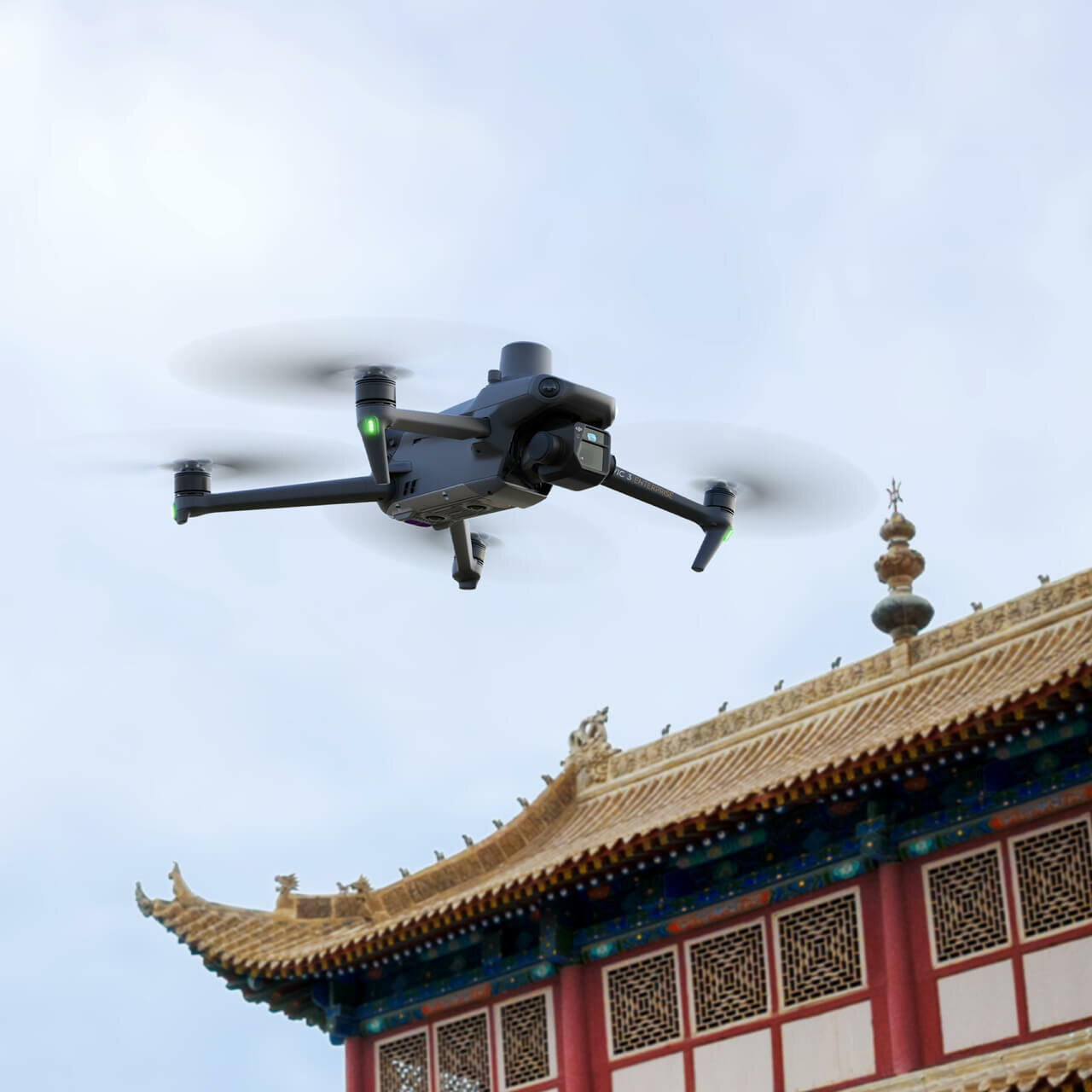
The proposal would close a regulatory gap that allows previously approved foreign drones to remain on the U.S. market, extending the FCC’s supply-chain restrictions to military-grade models from manufacturers including DJI, Autel, JOUAV and Yuneec.

The latest UFLPA Entity List update reaches beyond apparel into aluminum, mining, food, pharmaceuticals and electronics as businesses face increasingly difficult—and potentially conflicting—compliance demands in the United States and China.

The proposal marks a significant expansion of the FCC’s national-security campaign because it would reach equipment that had already received federal authorization, cutting off future imports and sales while allowing existing owners to continue using their devices.

The move broadens the FCC’s supply-chain crackdown beyond communications equipment, using its Covered List to keep new foreign-made robots and power inverters out of the U.S. market over concerns that connected devices could be exploited for surveillance, remote disruption or attacks on critical infrastructure.

The strongest conclusion is therefore a qualified one: Africa offers compelling opportunities, but investors must be selective and prepared for risks that extend well beyond conventional measures of economic performance.
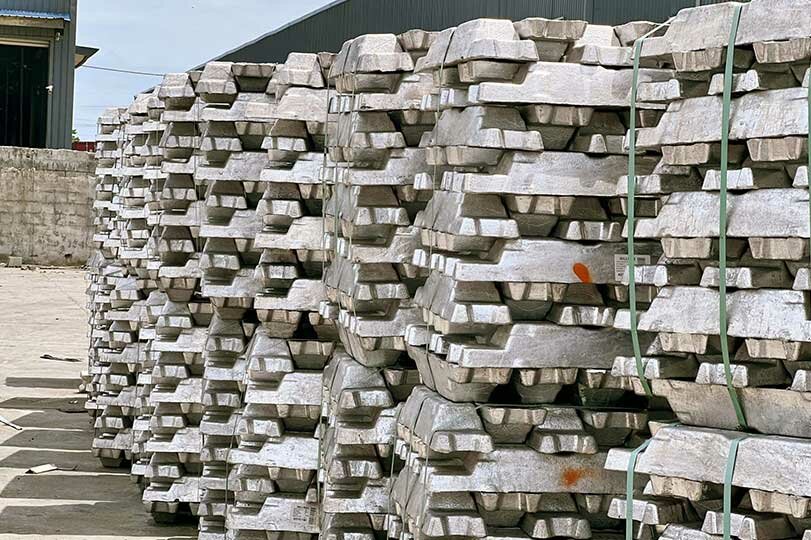
The measures pursue the same objective from opposite directions: tariff relief rewards companies that expand US aluminum production, while tougher procurement rules push defense contractors away from adversary-linked materials. The approach risks near-term disruption because domestic suppliers cannot yet meet every requirement for capacity, scale and purity.
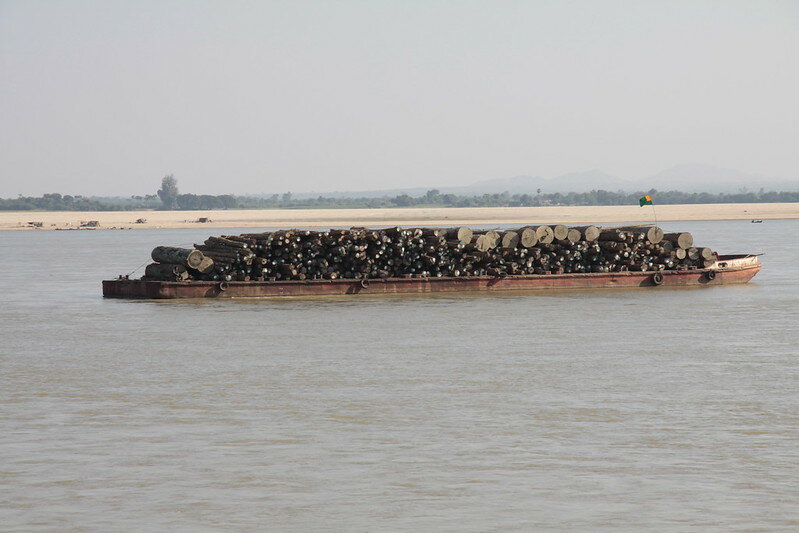
The U.S. Department of Justice will lead the American delegation to an Asia-Pacific Economic Cooperation forestry ministerial in China, where it plans to press member economies for stronger enforcement against illegal timber trafficking.

The action marks an expansive use of Section 301 to pressure trading partners to adopt and enforce forced-labor import bans. Yet USTR exempted hundreds of products—including many of the principal U.S. imports from Russia—while leaving Belarus and other countries outside the investigation entirely.
The plan extends Trump’s tariffs to generics, which fill about 90% of U.S. prescriptions, in an effort to shift production home. But without a formal implementing order, its scope—and its potential to raise prices or worsen shortages—remains unclear.

Congress is now considering a framework that could ban adversary-made humanoid and quadruped robots from the U.S. market. The bill gives sweeping authority to the FCC for review and enforcement.
Companies investing in American primary-aluminum plants could halve their Section 232 duty, as Washington also tightens restrictions on adversary-sourced defense materials

Rather than treating duty evasion solely as a customs enforcement matter, the Justice Department increasingly is using the False Claims Act as a civil fraud tool to recover unpaid tariffs and antidumping duties. The approach exposes importers—and potentially their executives—to substantially greater financial liability than traditional customs penalties while encouraging whistleblowers to bring cases.
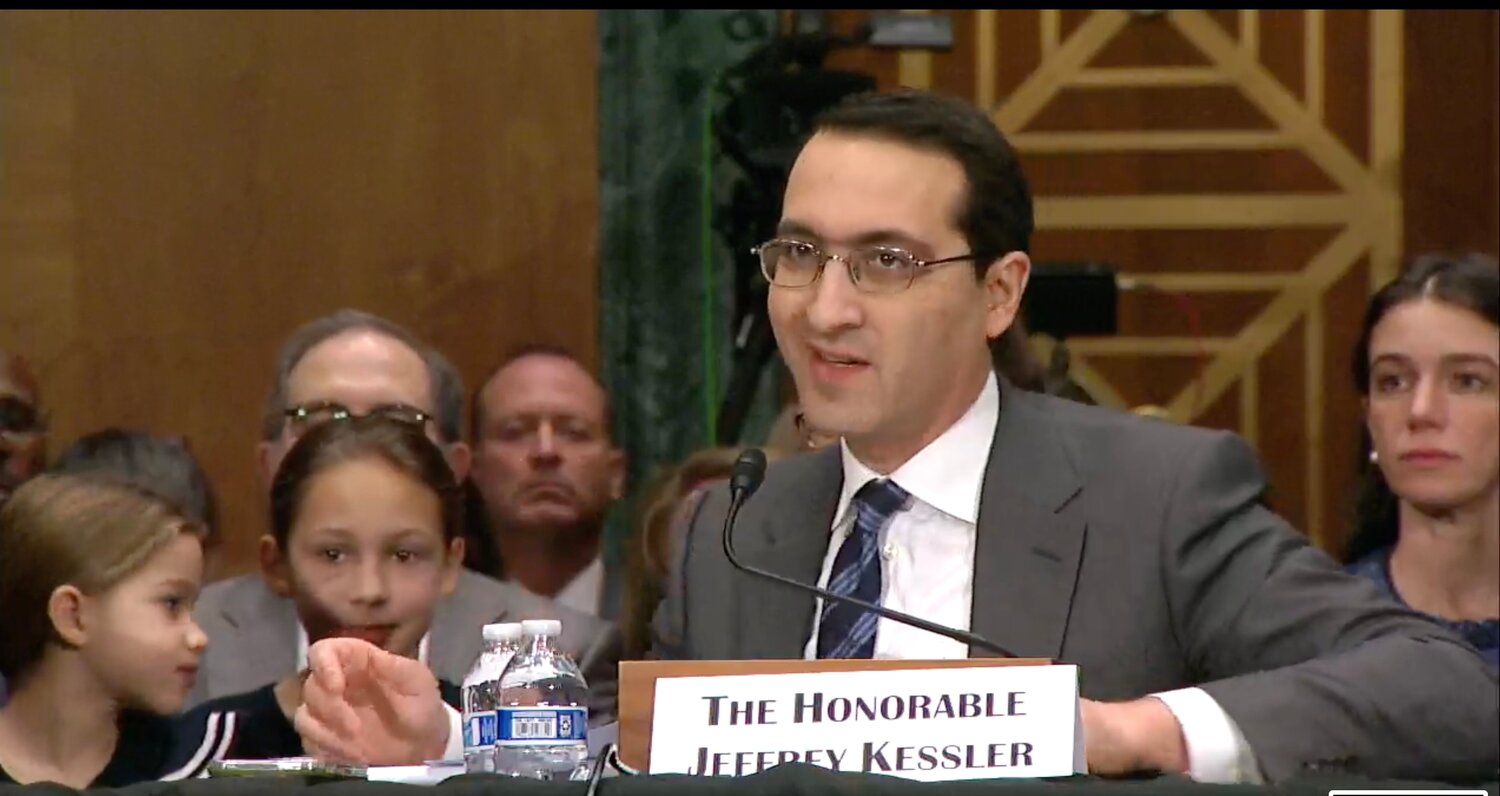
From the start of Tuesday’s House Foreign Affairs Committee hearing, it was clear that the lawmakers and their sole witness, Under Secretary of Commerce Jeffrey Kessler, were having two very …

The closure of the Strait of Hormuz following the February 2026 conflict in the Persian Gulf has severely disrupted global fertilizer trade, with nitrogen and phosphate fertilizers among the hardest hit, according to a WTO Secretariat report published July 10.
Wyden is not defending forced-labor abuses; he is arguing that Section 301 cannot be used as a substitute for sweeping global tariffs that courts have rejected under other authorities.