
BMW, Jaguar Land Rover, and Volkswagen all rely on suppliers banned for using Uyghur forced labor, according to a report issued by the Senate Finance Committee. Interviews and documents obtained by committee staff show that Bourns, Inc., a California-based auto supplier, had sourced components from Sichuan Jingweida Technology Group, a company added to the UFLPA Entity List in December 2023, and whose goods are presumed to be made with forced labor.

After deftly avoiding the sanctions levied in the past on US Defense contractors by Beijing for their transactions with Taipei, Boeing’s Defense, Space & Security unit has been placed on the Ministry of Commerce's “unreliable entities list" (UEL). In April MofCom sanctioned dronemaker General Atomics and General Dynamics Land Systems, while the announcement omitted Boeing, the maker of Taipei's Harpoon anti-ship misssile system. The May 20 announcement reiterates the April actions, adding Boeing.
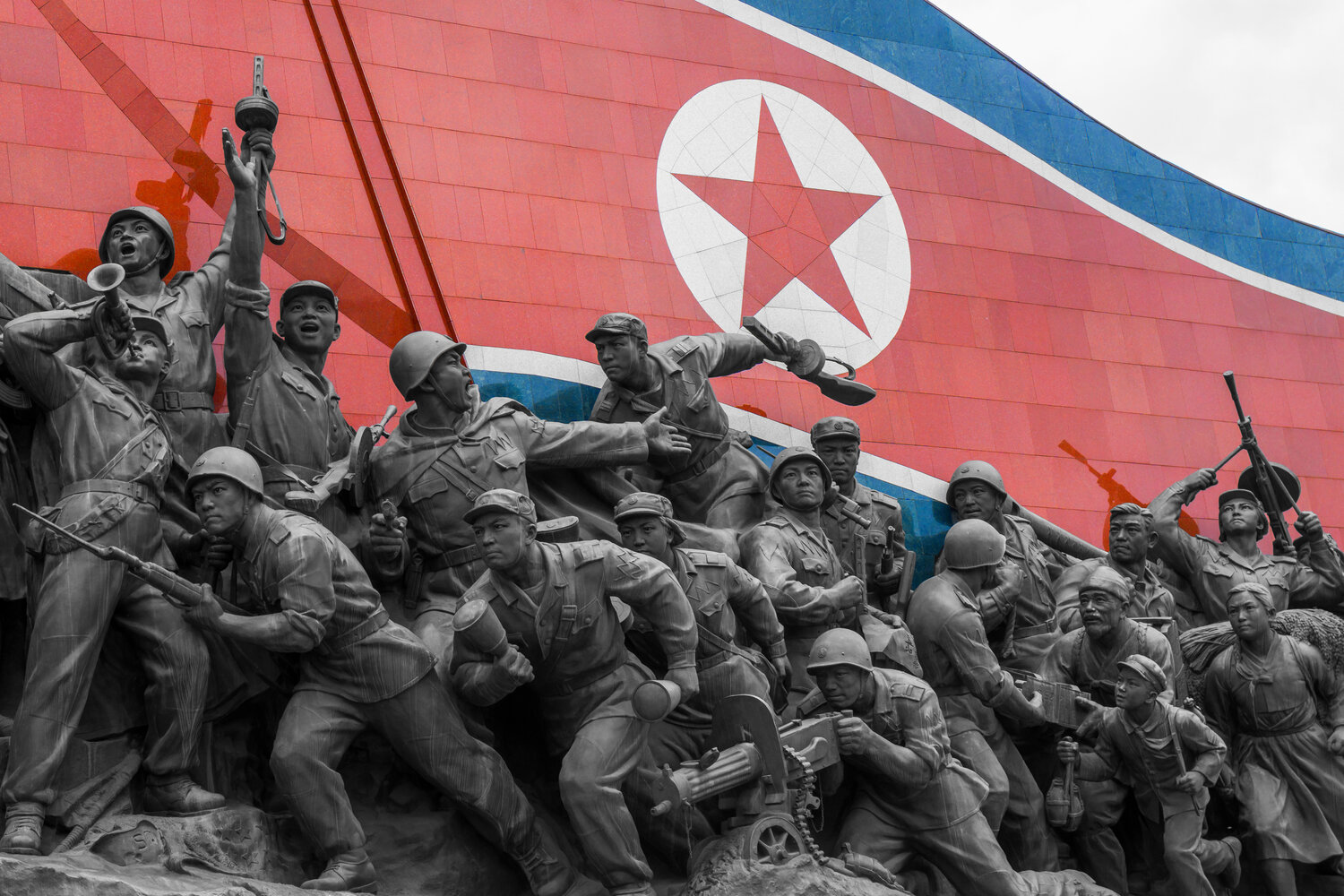
The Justice Department announced a series of coordinated actions to disrupt the illicit revenue generation efforts North Korean information Technology workers, while the State Department announced a $5 million reward to help shut down the schemes.

In response to Ankara's suspension of trade with Israel,The US Department of Commerce's Bureau of Industry and Security (BIS) has issued an antiboycott advisory on Turkey. U.S. companies operating in Türkiye, in particular, are cautioned to be alert to their receipt of any requests to refrain from importing or exporting goods to or from Israel or to provide certification that the goods are not of Israeli origin or do not contain Israeli-origin components or materials.

The Department of Homeland Security (DHS) announced the addition of 26 textile companies based in the People’s Republic of China (PRC) to the Uyghur Forced Labor Prevention Act (UFLPA) Entity List.
May 16, the Administration announced new actions to protect American solar manufacturing from Chinese competition, including removing the bifacial module exclusion under Section 201, announcing the end of the 24 month "bridge," permitting duty free imports from ASEAN suppliers, and enhanced monitoring of trade flows.
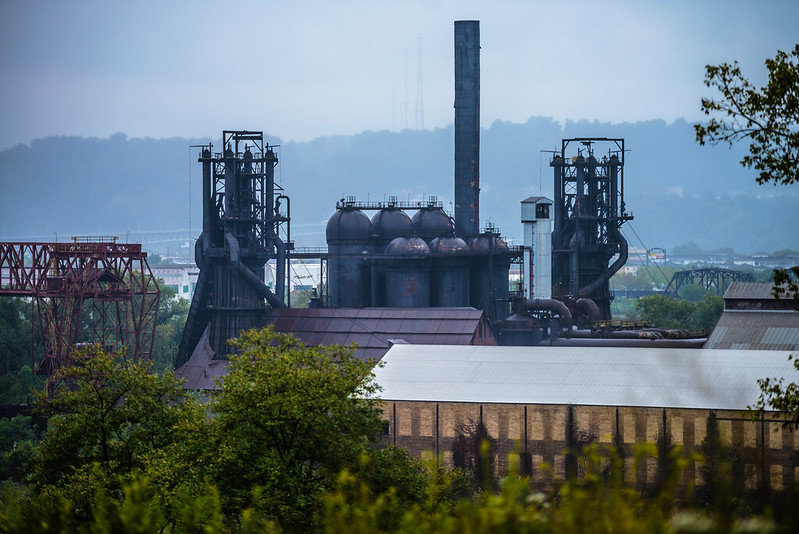
It is premature to declare Nippon Steel's bid to buy US Steel dead,, despite election year politics driving acerbic scrutiny from Labor and legislators. Tuesday, the United Steelworkers scoffed at Nippon Steel's overtures to the union, calling them "nothing more than another collection of empty promises and open-ended language that would enable it to skirt obligations to workers and retirees."
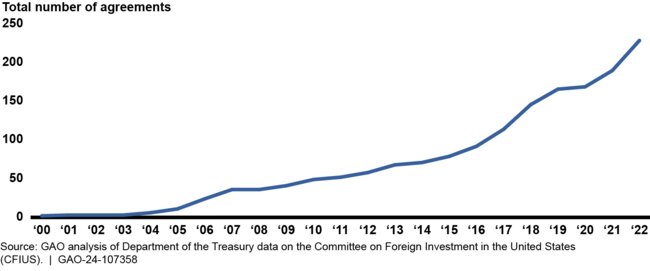
The Committee on Foreign Investment in the United States (CFIUS) has seen explosive caseload in recent years, though a performance audit finds the committee organization and management has struggled to keep up, according to a report released by the General Accounting Office (GAO).
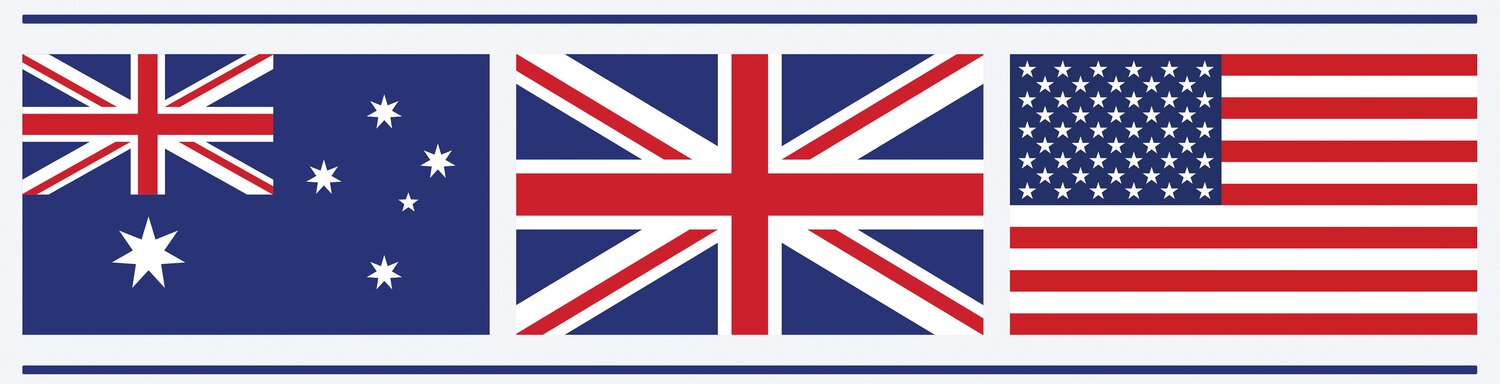
The Commerce Department's Bureau of Industry and Security (BIS) published an interim final rule significantly reducing licensing requirements for Australia and the United Kingdom (UK) to foster defense trade and technological innovation. BIS is removing Commerce Control List (CCL) license requirements to allow Commerce-controlled military items, missile technology-related items, and hot section engine-related items to be exported or reexported to Australia and the UK without a license. Similar relaxation by the State Department on ITAR controlled technology can be expected "over the course of the next 120 days," according to a statement.
Effective April 18th, a new rule from BIS amends the EAR to impose new controls restricting Iran’s access to additional low-level technology, including items manufactured outside the United States that are produced using U.S. technology. The rule also expands the scope of the Russia/Belarus/Temporarily occupied Crimea region of Ukraine Foreign Direct Product (FDP) rule and the Iran FDP rule: the items in supplement no. 7 to part 746 will now include the entirety of the ‘Common High Priority List’ (CHPL).
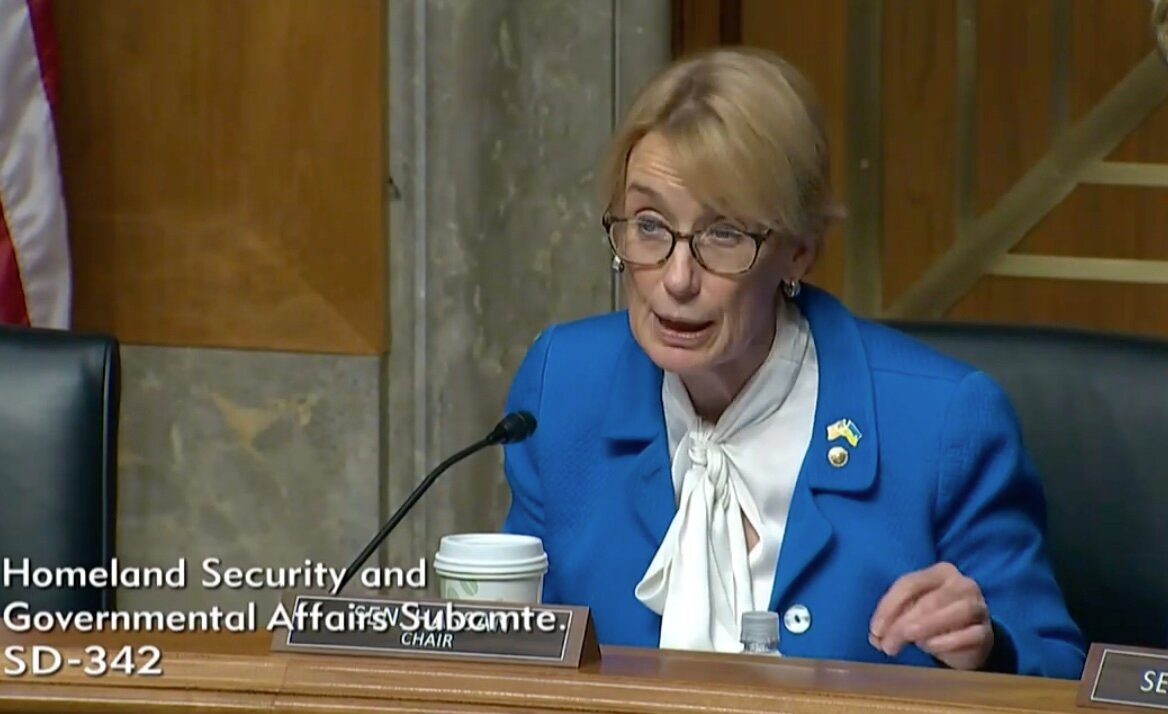
Wednesday Senators Mitt Romney (R-UT) and Maggie Hassan (D-NH), introduced bipartisan legislation to bolster the Export Enforcement Coordination Center—an interagency hub for information sharing and coordination among the key agencies responsible for export control enforcement. At a hearing Thursday, officials from Commerce, Justice and Homeland Security were unanimous in their call for resources from Congress.
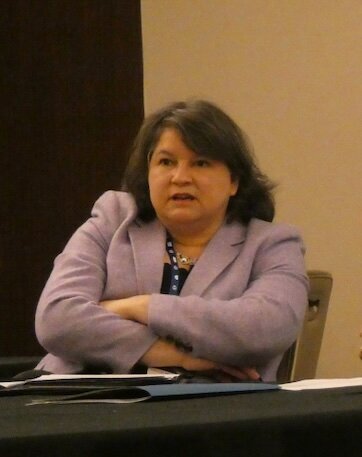
Export Administration is getting a new leadership framework, including the creation of Deputy Assistant Secretary roles for Strategic Trade and Technology Security, under the oversight of the newly elevated Principal Deputy Assistant Secretary Matt Borman. The Changes involve dividing EA’s functions into two primary channels: Strategic Trade, focusing on licensing, outreach, and training, and Technology Security, which encompasses defense industrial base (DIB) responsibilities, analysis, and regulatory work.
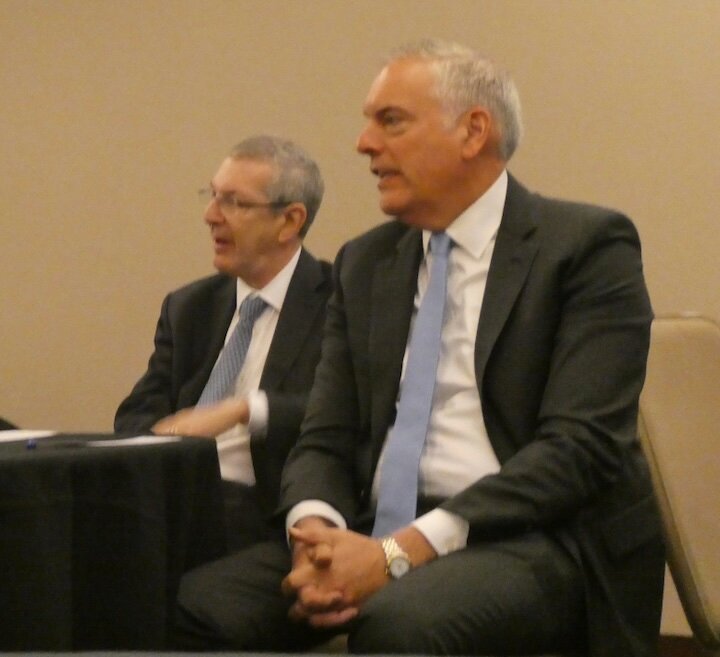
Assistant Secretary for Export Enforcement Matthew Axelrod announced four new Enforcement Initiatives at the 2024 Update Conference on Export Controls and Policy. In his plenary address, Mr. Axelrod introduced new guidance for the Freight Forwarder community, an updated compendium of enforcement examples, an antiboycott blacklist, and enhanced outreach to manufacturers and distributors of restricted good discovered on the battlefield in Ukraine.
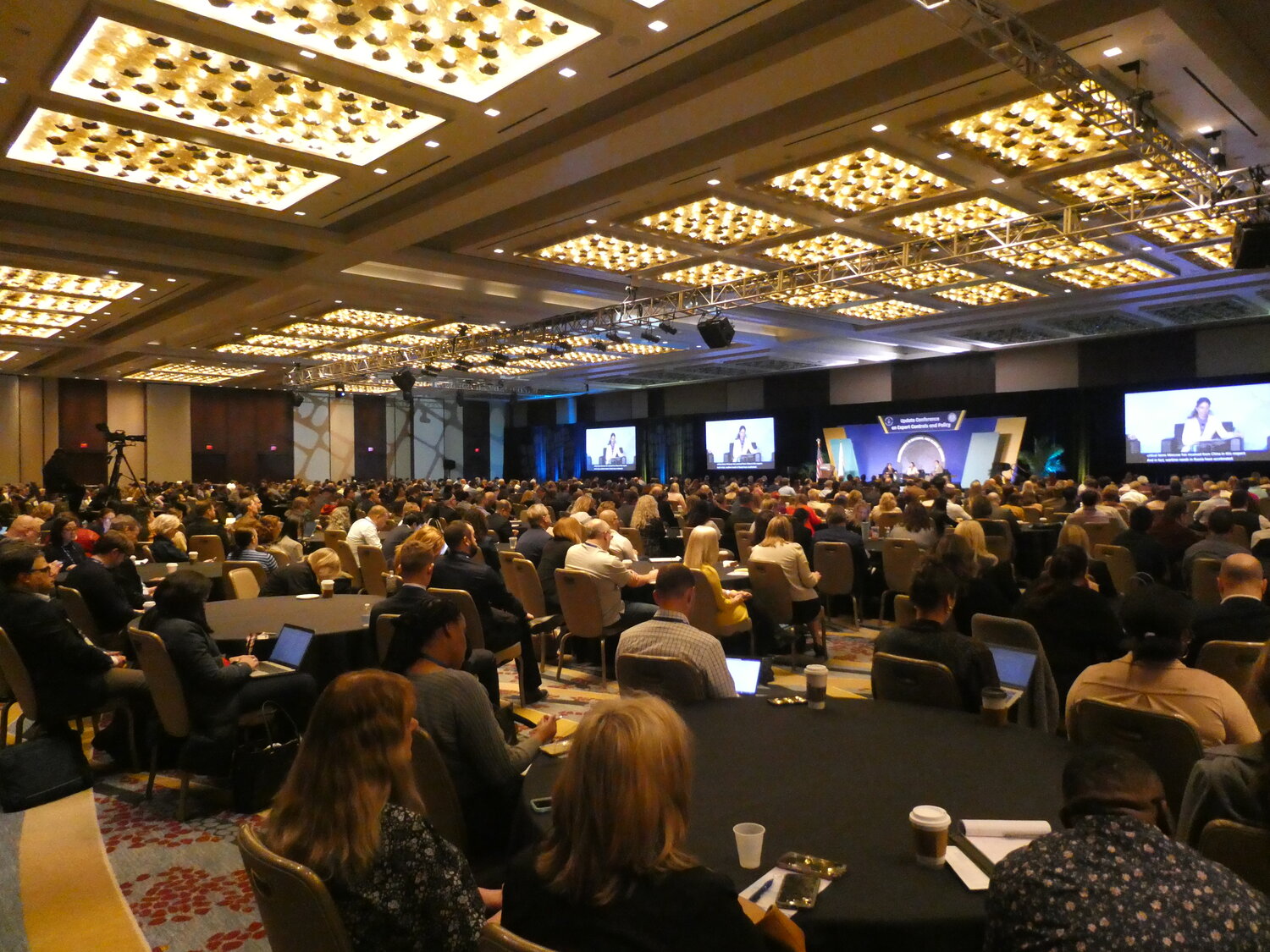
The Commerce Department's Bureau of Industry and Security 2024 Update Conference kicked off Wednesday to a full house in Washington, with over 1,100 attendees registered and many breakout sessions extended to overflow rooms with video feeds. While Commerce Secretary Gina Raimonda was unable to attend in person, Under Secretary of Commerce for Industry and Security Alan Estevez greeted attendees with a recap of the work undertaken since the last conference in 2022, and insights on where things are headed.
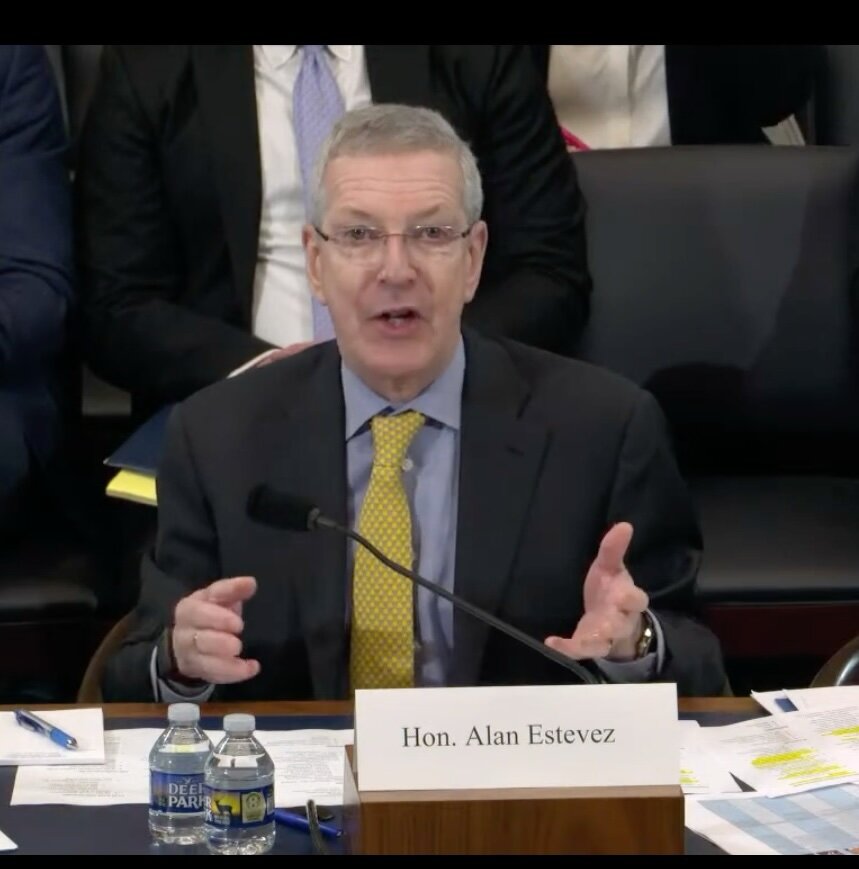
Nothwithstanding a doubled caseload, antiquated systems, and flat budget for the past ten years, the Commerce Department's Bureau of Industry and Security (BIS) has been keeping pace, Undersecretary for Industry and Security Alan Estevez told a congressional panel Wednesday. "BIS has been asked to do more in an era of strategic competition where economic statecraft is increasingly central to U.S. interests and strategy. We have risen to every challenge that we have been asked to take on."
The Commerce Department’s Bureau of Industry and Security (BIS) released a final rule to impose additional restrictions under the Export Administration Regulations (EAR) on persons identified under fourteen sanctions programs, on the List of Specially Designated Nationals and Blocked Persons (SDN List) maintained by the Department of the Treasury’s Office of Foreign Assets Control (OFAC). “Today’s action will further our already strong coordination with the Treasury Department to prevent foreign actors from obtaining the items and financing they seek to conduct activities that threaten U.S. national security and foreign policy interests,” said Under Secretary of Commerce for Industry and Security Alan Estevez.
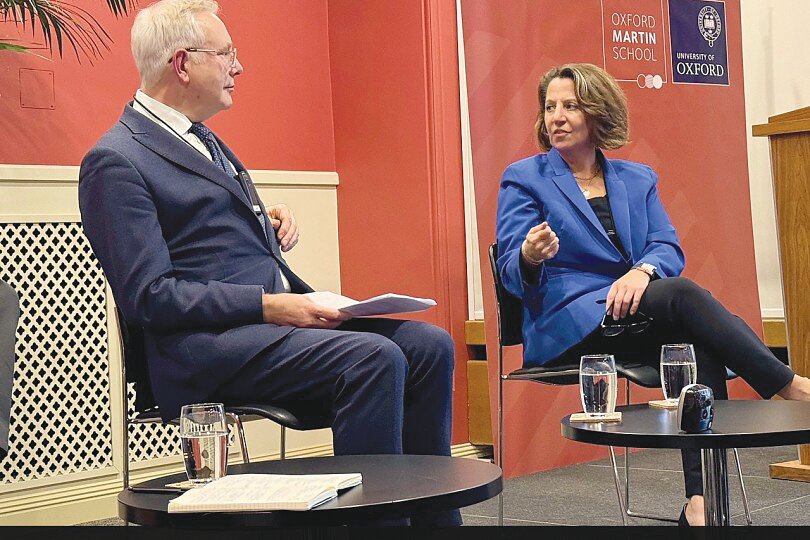
Deputy Attorney General Lisa O. Monaco delivered remarks on "the Promise and Peril of AI," at Oxford University February 14, calling an "inflection point with AI." Claiming that "AI is the ultimate disruptive technology," she vowed that the Distruptive Technology Strike Force established last year to coordinate export control activities, will place AI at the "very top" of its enforcement priority list.
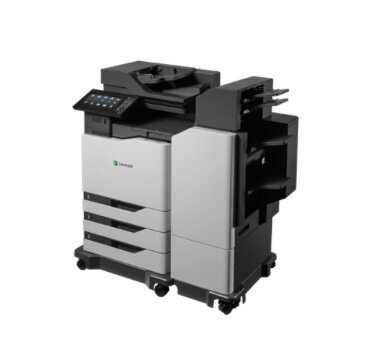
Despite a board of directors rich with boldfaced Washington names, Lexmark parent Ninestar corporation appears unlikely to break free of its designation as an employer of modern slavery under the Uyghur Forced Labor Protection Act. Last week Judge Gary Katzmann denied Ninestar’s Motion for Preliminary Injunction staying the Listing Decision.

A federal grand jury indicted a Chinese national, charging him with four counts of theft of trade secrets in connection with an alleged plan to steal from Google LLC (Google) proprietary information related to artificial intelligence (AI) technology. According to the indictment, returned on March 5, Linwei Ding, aka Leon Ding, 38, a national of the People’s Republic of China and resident of Newark, California, transferred sensitive Google trade secrets and other confidential information from Google’s network to his personal account while secretly affiliating himself with PRC-based companies in the AI industry. Ding was arrested March 6th.
The Departments of Justice, Commerce, and Treasury’s Office of Foreign Assets Control, have issued a Tri-Seal Compliance Note: Obligations of foreign-based persons to comply with U.S. sanctions and export control laws. The Note highlights the applicability of U.S. sanctions and export control laws to persons and entities located abroad, as well as the enforcement mechanisms that are available for the U.S. government to hold non-U.S. persons accountable for violations of such laws, including criminal prosecution.