

The European Union’s Anti-Coercion Instrument is moving from legal abstraction to active policy reference point as Washington renews tariff threats against European partners, raising the prospect of formal EU countermeasures against what Brussels defines as economic coercion.

President Trump has directed the U.S. Trade Representative and the Department of Commerce to negotiate agreements addressing national security risks tied to imports of processed critical minerals and derivative products from any country, the administration said Tuesday. On Capitol Hill, lawmakers are advancing complementary legislation. The Developing Overseas Mineral Investments and New Allied Networks for Critical Energies (DOMINANCE) Act would promote overseas mineral development and allied networks to secure supplies of critical energy inputs.

The Commerce Department’s Bureau of Industry and Security (BIS) has issued a final rule revising its license review policy for certain advanced computing exports to China and Macau, introducing limited case-by-case review within a framework that otherwise retains a presumption of denial. Experts cautioned that expansion or relaxation of licensing pathways risks straining already limited enforcement resources.

On January 8, U.S. Vice President JD Vance announced that the Trump administration intends to establish a new Department of Justice division dedicated to national fraud enforcement, according to a White House factsheet. The proposed division would centralize and coordinate federal fraud investigations and prosecutions across jurisdictions, with a focus on fraud affecting federal programs and benefits, as well as misconduct involving businesses, nonprofits, and private individuals nationwide.

President Donald Trump has signed the Fiscal Year 2026 National Defense Authorization Act (NDAA) into law, enacting a sweeping defense policy statute that authorizes more than $900 billion in national defense priorities while significantly expanding U.S. authorities over investment security, export controls, sanctions, and defense trade. The law represents one of the most consequential structural shifts in U.S. national security legislation in decades, embedding economic and technological controls directly into the core of defense law.
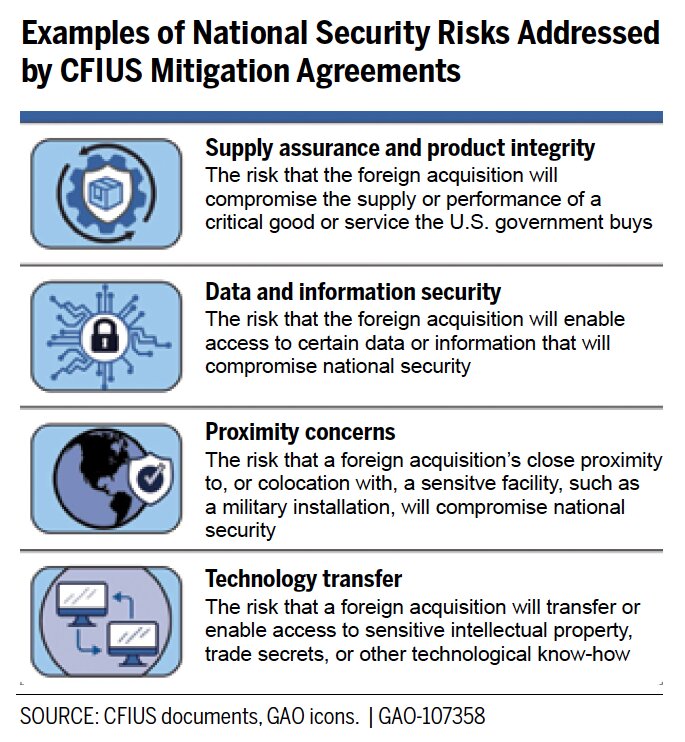
President Trump on January 2 ordered a California spinoff to divest its interests in certain semiconductor assets purchased in 2024 from its former parent, citing national security risks identified through a review by the Committee on Foreign Investment in the United States (CFIUS).. The 2024 transaction was not voluntarily filed with CFIUS, despite "credible evidence" that one of the owners is a Chinese citizen.
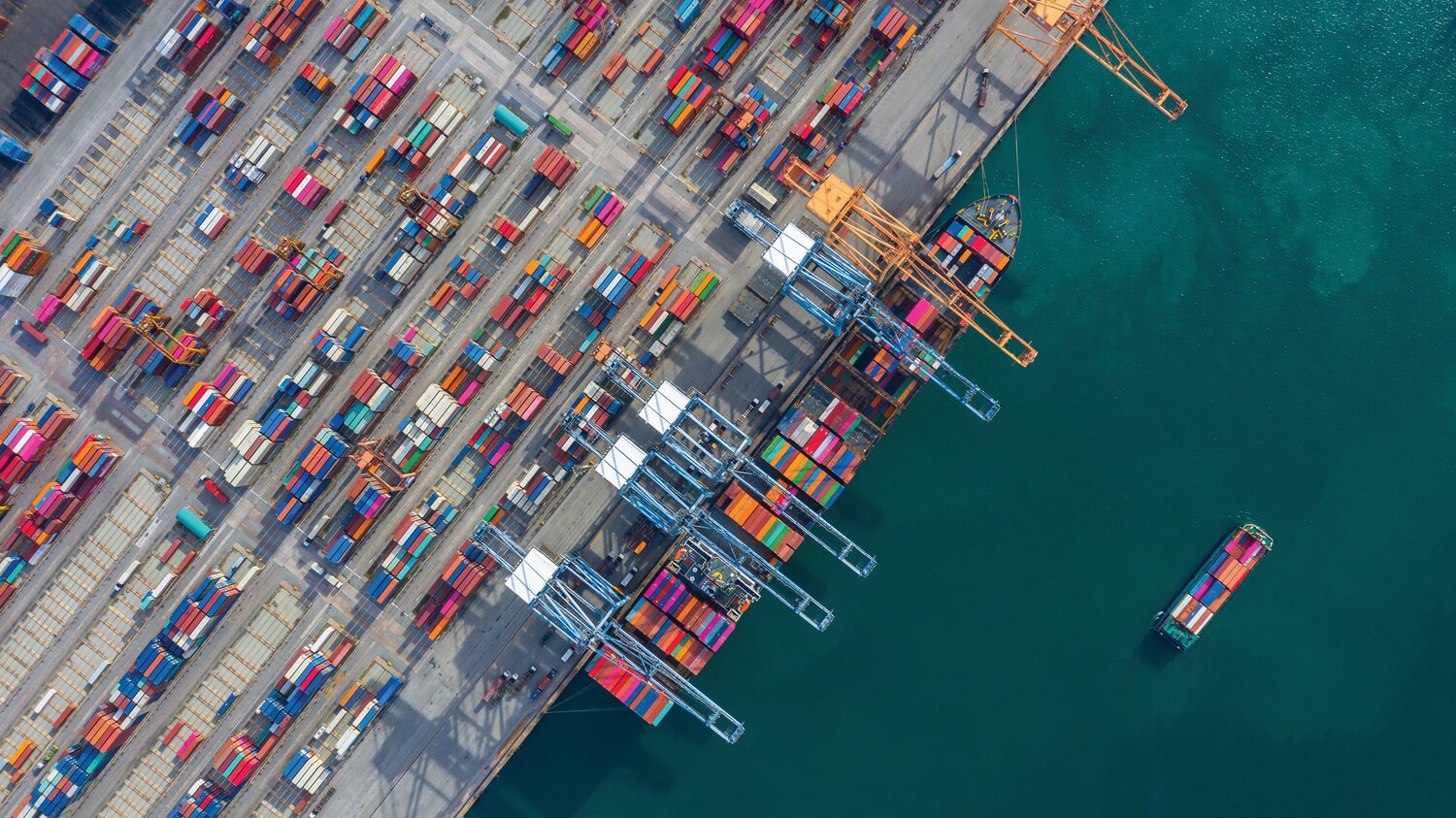
When the U.S. Department of Justice rounded out the year with a settlement topping $54.4 million, the largest ever recorded to resolve tariff fraud allegations, it was a holiday happy ending more than three years in making for whistleblower attorney Jonathan Tycko.

Maritime sanctions enforcement is increasingly driving operational outcomes in global trade, creating risks for charterers, cargo owners, insurers, ports, and intermediaries. Recent U.S. actions tied to Venezuela-linked oil movements—alongside sustained enforcement targeting Iran and Russia—underscore a structural shift for logistics and compliance professionals: sanctions risk is no longer confined to pre-fixture screening. It can crystallize mid-voyage, with immediate commercial consequences.

A trio of judges of the U.S. Court of International Trade denied a request from importers on Monday afternoon with an order that read more like a warning to the Trump administration.

Calling it "a very good move on the part of the U.S. for Belarus" the White House is easing U.S. sanctions on Belarus, removing restrictions on key potash producers and exporters, furthering the administration's unwinding of sanctions on Russia's staunchest ally in the invasion of Ukraine.

U.S. Trade Representative Jamieson Greer used an appearance Wednesday at the Atlantic Council to defend the Trump administration’s tariff strategy, signal flexibility in North American trade arrangements, and outline a more pragmatic approach to China, Europe, and key emerging-market partners.

In 2013, when I wrote about the U.S. Attorney’s Offices Intelligence Specialist (IS) program, export enforcement was a critical but relatively narrow mission. Twelve years later, the national security landscape has dramatically shifted. Strategic competition with China, cyber operations, and supply chain security now define the contours of national security policy. Export controls sit at the center of this shift, reflecting a world where economic and technological dominance is as consequential as military might.

From 2007 to 2010, I was the lead prosecutor responsible for the investigation and trial of Chitron Electronics, Inc. (“Chitron-US”), and two of its executives. Over a six-week trial, we proved to the jury that Chitron-US was a Chinese front company used to illegally export U.S. military and sensitive electronic components to the People’s Republic of China (“PRC”) over a period of more than 10 years. In November 2013, I wrote this article to provide suggestions on how to identify, dismantle, and successfully prosecute illegal procurement networks. I left the government in 2022 after serving as national security prosecutor for more than 18 years and the National Security Chief for the U.S. Attorney’s Office for the District of Massachusetts. I now assist clients in mitigating risks of all kinds, provide guidance on developing robust regulatory compliance programs, and specialize in handling high-stakes criminal and civil litigation matters and government enforcement proceedings. From my new vantage point, this article provides detailed insight and an inside view of a sophisticated procurement scheme, which exploited loopholes in the U.S. supply chain.

The ACI 42nd Annual FCPA and Global Anti‑Corruption Conference this week delivered twin signals: an intensification of enforcement risk in trade and tariff compliance, and a firm warning from DOJ to outside counsel about public commentary, suggesting reputational and perhaps prosecutorial consequences for perceived disloyalty to the department narrative.
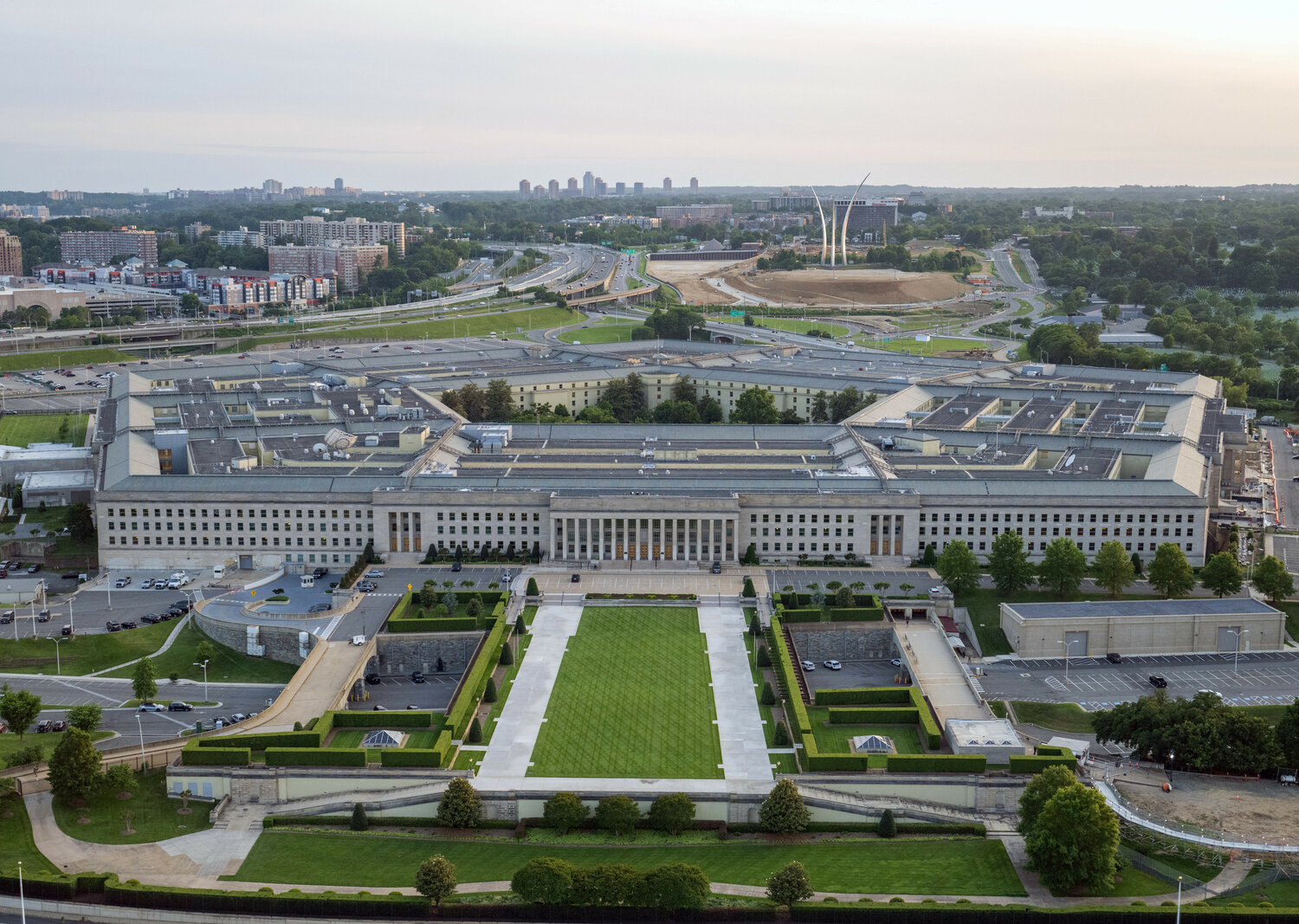
The Pentagon has concluded that Alibaba Group Holding, Baidu Inc. and BYD Co. should be added to the U.S. “Section 1260H” list of companies deemed to support China’s military, according to an Oct. 7 letter from Deputy Defense Secretary Stephen Feinberg to congressional defense committees.
The Trump Administration has tied reductions in steel and aluminum tariffs to changes in the European Union’s digital and data-security regulatory regime, sharpening a long-running transatlantic dispute and linking trade concessions to cybersecurity policy for the first time.

Over the past year, BIS has lost an unusually large share of its senior career leadership. Principal Deputy Assistant Secretary Matthew Borman—widely regarded by former officials as the bureau’s institutional anchor—was forced out in February, along with longtime national-security licensing chief Eileen Albanese.

Swiss Economics Minister Guy Parmelin on Monday joined a growing list of foreign officials clarifying that the massive investment figures highlighted in recent U.S. trade frameworks are not legally binding commitments.

With U.S. shoppers’ grocery bills ever more in focus as the holidays near, a range of food and agriculture trade moves made headlines this week, starting with the news that tariffs may wipe Italian pasta makers off U.S. grocery store shelves.
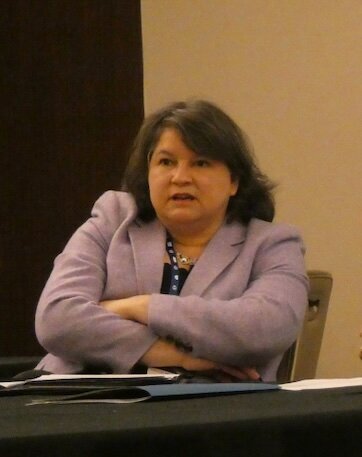
At a recent European export-control forum, former U.S. Assistant Secretary for Export Administration Thea Kendler described a global environment in which export controls have moved beyond traditional non-proliferation foundations and now sit at the center of great-power rivalry, supply-chain restructuring, and industrial policy.