

A federal appeals court on Friday struck down most of President Donald Trump’s tariffs, ruling that the administration unlawfully relied on emergency powers to impose sweeping trade measures without congressional approval.

OFAC is amending the Syrian Sanctions Regulations to remove them from the Code of Federal Regulations , consistent with consistent with Executive Order 14312 of June 30, 2025, “Providing for the Revocation of Syria Sanctions.” OFAC emphasized that not all sanctions related to Syria are lifted.

A joint statement published Thursday offered significant new insights into negotiations Brussels and Washington are hammering out under President Donald Trump’s initiative to reconfigure global trade. As previously announced, U.S. tariffs will be set at 15% for most European goods, but Thursday’s statement also provided details on some products that will be exempt from the “reciprocal” tariffs the White House has imposed under the International Emergency Economic Powers Act.
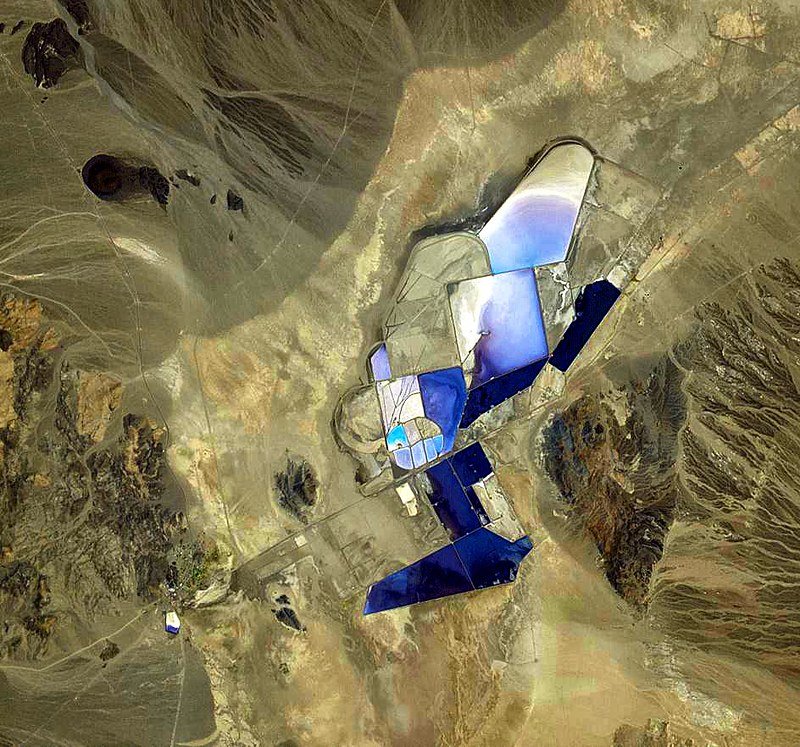
The task force responsible for blocking goods produced from Chinese state-sponsored forced labor programs targeting Uyghur and other minority groups announced five new priority sectors on Tuesday, including critical manufacturing inputs steel and lithium.
Former national security officials from both sides of the aisle have come out forcefully against a deal the White House announced in August to allow NVIDIA Corp. and AMD to sell advanced microchips in China in a profit-sharing arrangement that will hand over 15% of the revenue from those sales to the federal government.

When President Donald Trump rewrote the Harmonized Tariff Schedule of the United States at the start of August a new condition appeared in the thrice-revised emergency tariff program alongside the shifting “reciprocal” levies.

During his five-year run in the U.S. Department of the Treasury, former Assistant General Counsel for International Affairs Ted Posner helped guide the creation of the outbound investment security program and manage Treasury's leadership role in the Committee on Foreign Investment in the United States. Now that he's back in the private sector as the head of Trade Risk Mitigation and National Security at Baker Botts LLP, The Export Practitioner caught up with Posner to talk tips for staying out of CFIUS's crosshairs and the government's evolving approach to IEEPA.

Following a string of statements denouncing New Delhi's reliance on Russian oil, President Donald Trump increased tariffs on Indian exports via executive order Wednesday, a move the White House framed as "addressing threats to the United States by the Government of the Russian Federation."
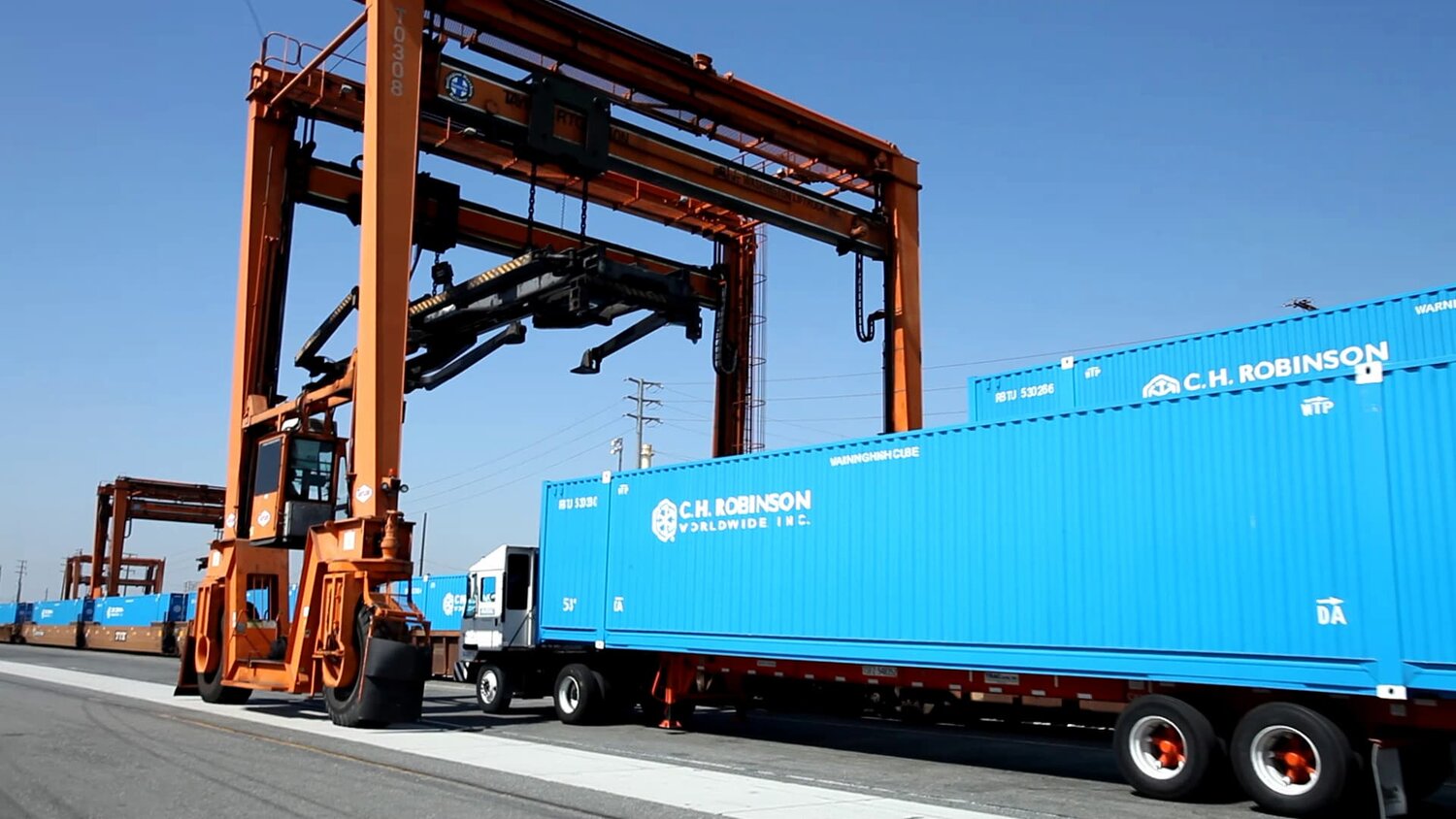
The White House prompted a collective sharp intake of breath Thursday evening by posting yet another round of adjustments to the so-called “reciprocal” tariffs just hours before the duties were slated to take effect.
President Donald Trump would have been well within his authority under the International Emergency Economic Powers Act (IEEPA) to block all imports to the United States to respond to spiking trade deficits, the government’s attorney told the assembled judges of the Court of Appeals for the Federal Circuit on Thursday morning.

Cadence Design Systems, Inc., a San Jose–based leader in electronic design automation (EDA) technology, has agreed to plead guilty to a criminal charge and pay more than $140 million in combined criminal and civil penalties for unlawfully exporting semiconductor design tools to a restricted Chinese military university.
As the Trump Administration appears to pull back from enforcing export controls on China—reportedly to avoid disrupting a potential trade agreement—twenty prominent national security voices with strong conservative pedigrees, along with Congressional leadership are warning against the move.

Officials from China and the U.S. confirmed plans to meet in Stockholm on July 27 for a third round of trade talks, a conversation that is likely to touch on the future of embattled arbiter of Gen-Z culture TikTok, according to U.S. Secretary of Commerce Howard Lutnick.

President Donald Trump announced a trade deal with Japan via social media Tuesday, heralding the agreement, said to include $550 billion investments, as "perhaps the largest Deal ever made." But labor unions called it another case of U.S. workers "once again being left behind."
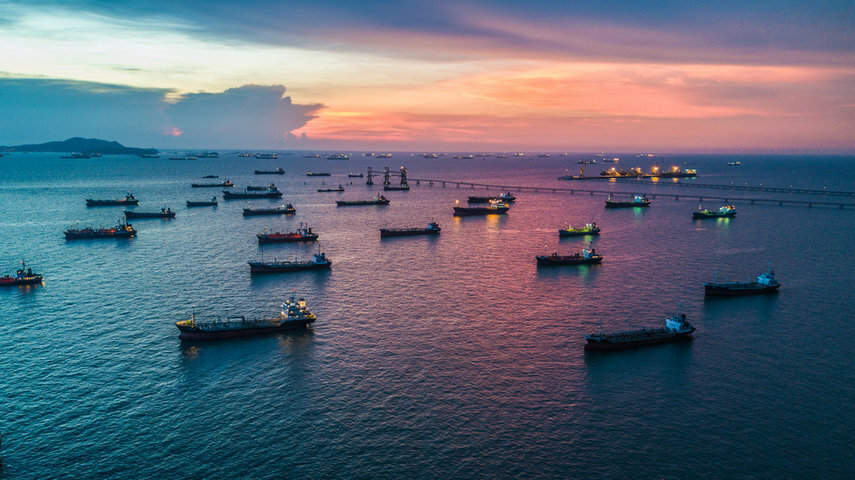
The United Kingdom on Monday followed a new salvo in Russia sanctions launched over the weekend, expanding efforts to curtail the Kremlin’s oil profits by going after companies that register the tankers authorities say are moving illicit shipments of Russian crude.

The dismembering of the National Security Council has sunk the newly-established national office of shipbuilding, with Ian Bennitt, the NSC's senior director for maritime and industrial capacity announcing his departure in a LinkedIn post.
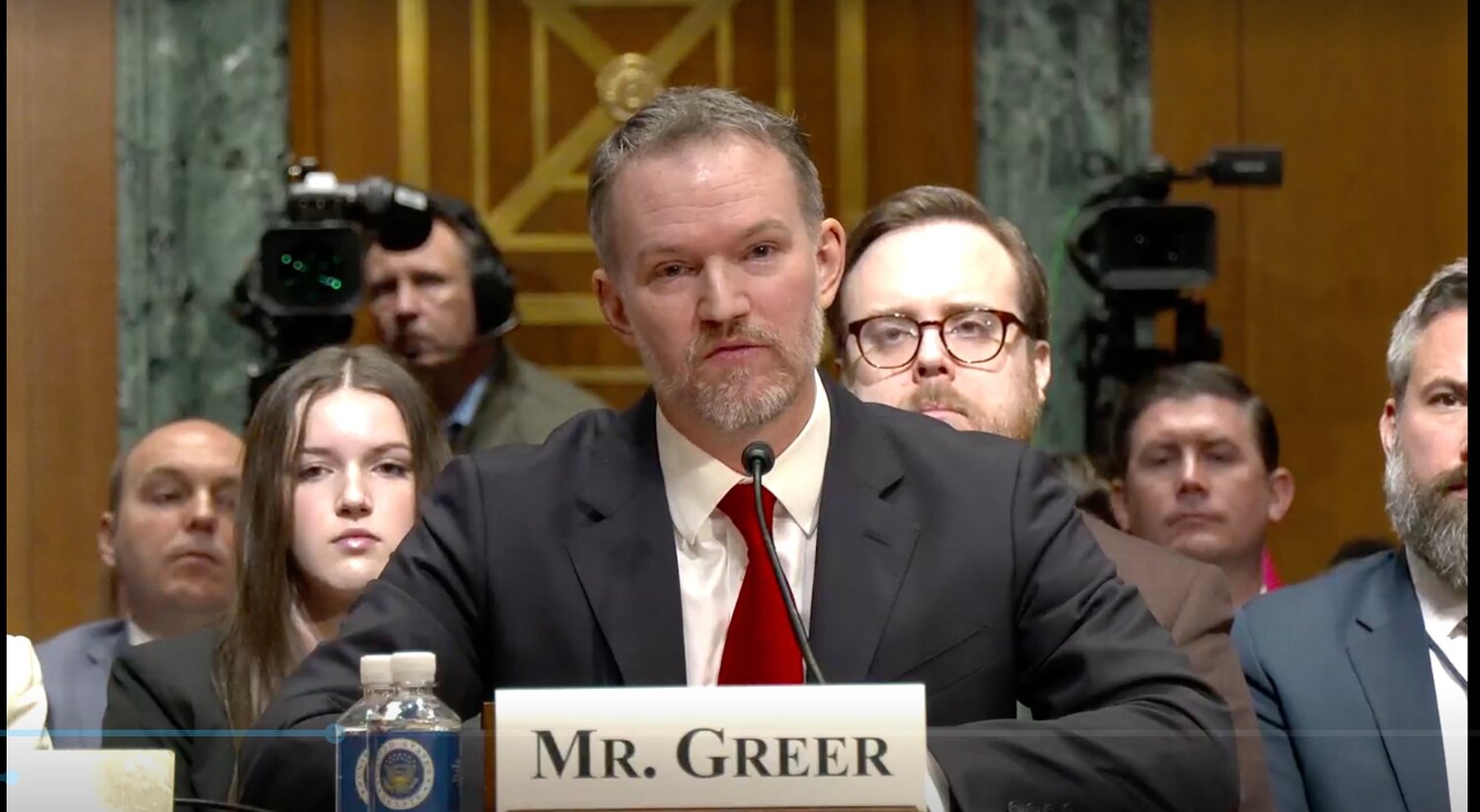
U.S. Trade Representative Jamieson Greer laid out his three-point priorities list during an appearance in Detroit on Wednesday, distancing himself from predecessors who he said centered their goals on reaching specific trade agreements.
Joe Manchin, speaking from the witness side of the diais, urged lawmakers to deploy National Defense Authorization to speed up permitting for domestic critical minerals mining and refining in his testimony at a hearing on Breaking China's Chokehold on Critical Mineral Supply Chains.

The Defense Counterintelligence and Security Agency (DCSA) is undergoing sweeping organizational and technological changes that signal a recalibrated approach to personnel vetting and security services under the Trump administration. Now the agency is losing its chief.

The U.S. Department of Commerce is accepting public input on its national security investigations into unmanned aircraft systems and polysilicon imports between July 16 and August 6, 2025.