
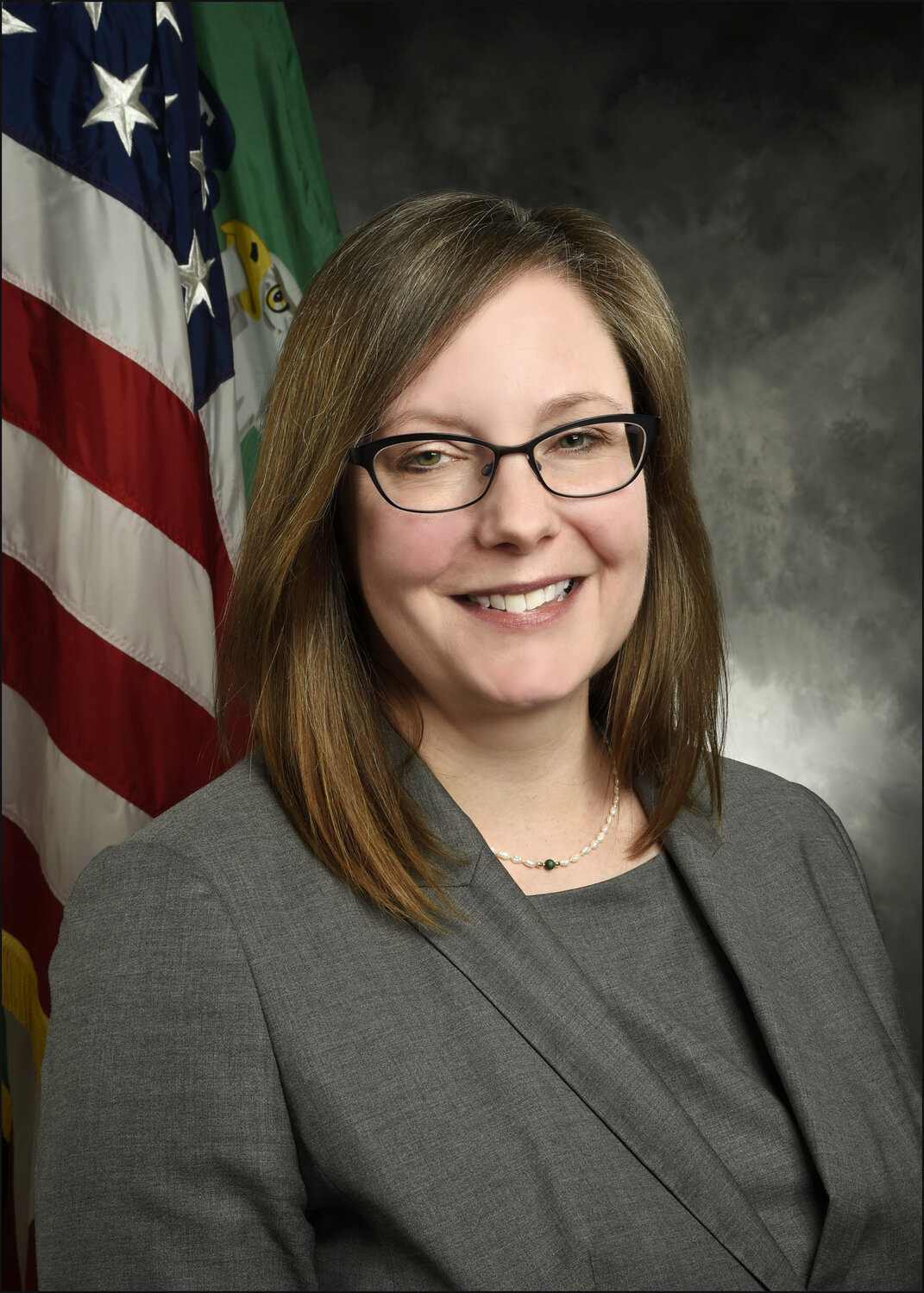
Andrea Gacki is closing a 25-year career in federal service with an enforcement action that neatly captures her approach: exacting about failures, skeptical of paper compliance and focused on whether financial controls work in practice.

Abby Warren, President Donald Trump’s nominee to lead export administration at the Commerce Department’s Bureau of Industry and Security, told the Senate Banking Committee July 23 that export controls should address significant national-security risks while accounting for their economic impact
The always cool and ever-original Tim O’Toole, practice lead for Miller & Chevalier Chartered’s export controls and sanctions team, indefatigable compliance educator and host of the Embargoed! Podcast took some time ahead of Independence Day to talk enforcement trends.
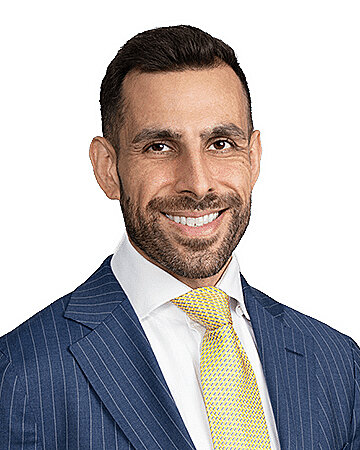
For businesses and individuals who find themselves on the Office of Foreign Assets Control’s Specially Designated Nationals list, a few firms stand out that offer hope for redemption. Ferrari & Associates is one of them. With 17 years of experience advising clients on how to get off OFAC’s list or avoid sanctions in the first place, founder Erich Ferrari has racked up wins, bringing more than a few blacklisted entities back to life from the designation known as “civil death.”
President Trump sent to the Senate the nomination of Abby Warren, of Virginia, to be an Assistant Secretary of Commerce, the White House announced April 27. The notice did not specify the bureau or portfolio, but Senate/Commerce appointment trackers identify the slot as Assistant Secretary of Commerce for Export Administration, a key Bureau of Industry and Security post.
President Trump has nominated finance executive Erin Browne to serve as Treasury Undersecretary for International Affairs. Ms. Browne is a managing director and portfolio manager at Pacific …
The Securities and Exchange Commission has named Gibson Dunn partner and former SEC official David Woodcock director of the Division of Enforcement, effective May 4, putting a veteran securities lawyer in charge as Chairman Paul Atkins continues to redirect the program toward investor-harm cases, individual accountability, and selected cross-border fraud matters rather than the higher-volume enforcement model of recent years.

Before the semiconductor tensions of the 2020s and the export control reforms of the 2010s, Mario Mancuso led the Bureau of Industry and Security in the final years of the Bush administration — pushing the agency toward greater prominence and deeper national security impact.

West Coast attorney Sarah Gerdes joined Akin’s international trade practice in Los Angeles at the start of the year as part of its national security & global investigations team after a distinguished tenure in the U.S. Attorney’s Office for the Central District of California, where she most recently served as the Deputy Chief of the National Security Division and Assistant U.S. Attorney. In conversation with The Export Practitioner, edited for length and clarity below, she shared lessons from her experience leading national security investigations and advice for meeting the current moment in enforcement.
President Trump has nominated David Foley and Brett Doyle for appointment to the U.S. International Trade Commission, the independent agency that adjudicates key trade disputes and administers U.S. trade-remedy laws.
Laura DiBella was sworn in on January 6, 2026 as a commissioner of the Federal Maritime Commission, filling a vacant seat on the five-member shipping regulator, as small and medium-sized shippers and freight forwarders warn that her alignment with the Trump administration and commercial background could sideline smaller market participants.

Ryan Fayhee, now a partner at Akin Gump, led the issue with his contribution on extradition in export enforcement cases. The piece urged prosecutors to emphasize the deception rogue exporters and middlemen undertake to thwart U.S. national security restrictions in order to sway foreign counterparts, as well as the proper interpretation of dual-criminality treaties. The article was published near the end of Fayhee’s illustrious 11-year run at the U.S. Department of Justice, where he cut his teeth on cross-border investigations covering espionage, sanctions and embargoes, arms proliferation, trade secret theft, cybercrime, corruption, and money laundering. He capped his tenure in the department’s National Security Division as the government’s principal attorney for sanctions and export control prosecutions. Fayhee granted The Export Practitioner an interview, edited for length and clarity below, to discuss how international collaboration in export controls has evolved, how investigations look from the private sector and his ongoing work to bring people back to the U.S.

In 2013, when I wrote about the U.S. Attorney’s Offices Intelligence Specialist (IS) program, export enforcement was a critical but relatively narrow mission. Twelve years later, the national security landscape has dramatically shifted. Strategic competition with China, cyber operations, and supply chain security now define the contours of national security policy. Export controls sit at the center of this shift, reflecting a world where economic and technological dominance is as consequential as military might.

As former Under Secretary of Commerce for Industry and Security, Alan Estevez has had a front-row seat to many of the technological shifts of the past three decades — and their growing influence on society, governance, and national security. The Export Practitioner spoke to the veteran of both the U.S. Department of Commerce and U.S. Department of Defense about the lengthy national security career he says he “stumbled” into, and some of the more recent shake-ups within the Bureau of Industry and Security. The conversation has been edited for length and clarity.

Across eight decades in public service, Bill Root helped build the intellectual scaffolding of the modern export-control system, insisting that coherence, not coercion, was the true measure of policy strength. He celebrated his 102nd birthday in September, still corresponding with colleagues about harmonizing global control regimes.
Eric Johnson has left the Justice Department after nearly 17 years. As Principal Deputy Chief of the National Security Division’s Foreign Investment Review Section (2022–2025), he directed DOJ’s role in screening foreign investment risks under CFIUS, Team Telecom, and ICTS authorities.
David Peters has moved from DOJ to the Commerce Department’s Bureau of Industry and Security as Assistant Secretary for Export Enforcement.

Few practitioners today have followed trade’s evolution into a national security tool as closely as King & Spalding LLP partner Ryan Majerus, who joined the firm this year after more than a decade spent bouncing between the U.S. Department of Commerce, the Office of the U.S. Trade Representative and the White House. The Export Practitioner sat down with the former Acting Assistant Secretary for Enforcement & Compliance for a conversation, which has been edited for length and clarity, covering seismic tariff shifts, supply chains risks and taking an interdisciplinary approach to international trade.
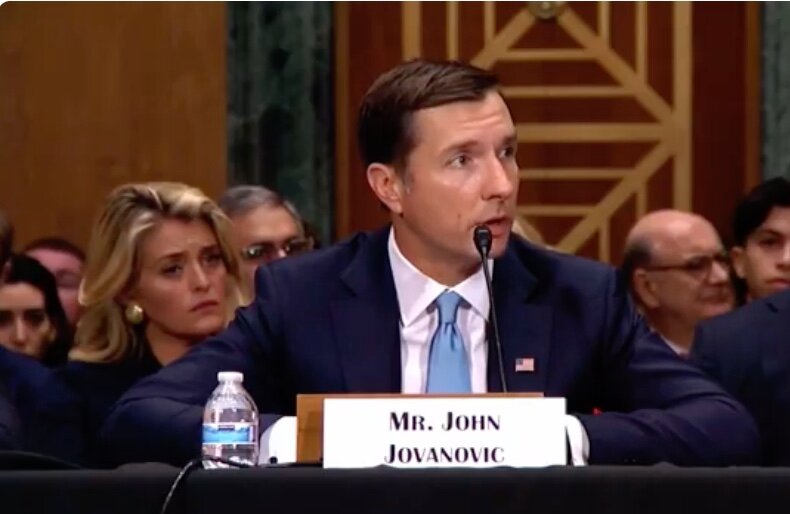
The Export-Import Bank of the United States (EXIM) announced today that John Jovanovic has been confirmed by the U.S. Senate as President and Chairman of the Board of Directors.
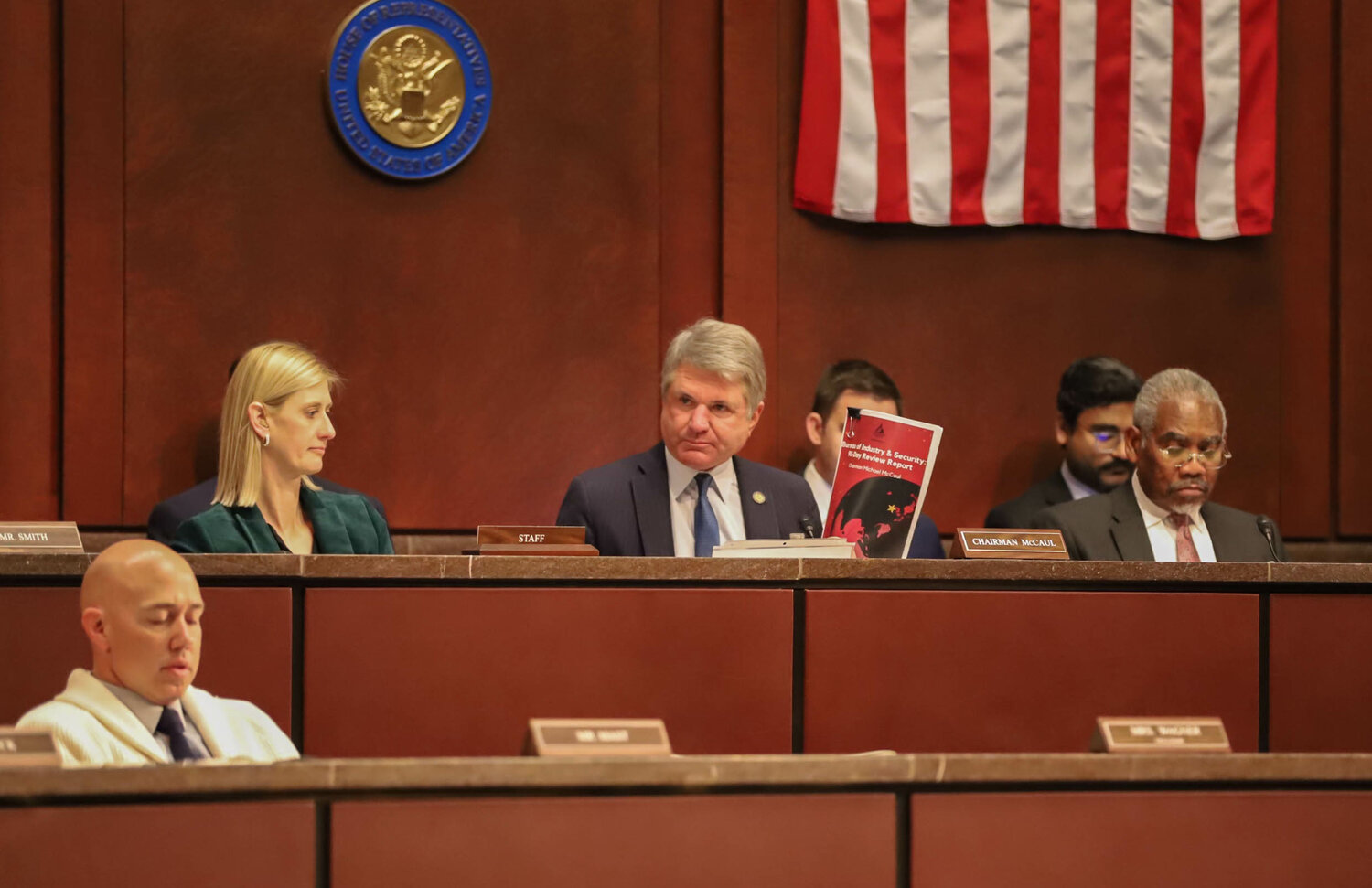
Representative Michael McCaul (R-Texas), the former chairman of the House Foreign Affairs Committee, announced he will step down at the end of his current term, ending a two-decade tenure in Congress.