
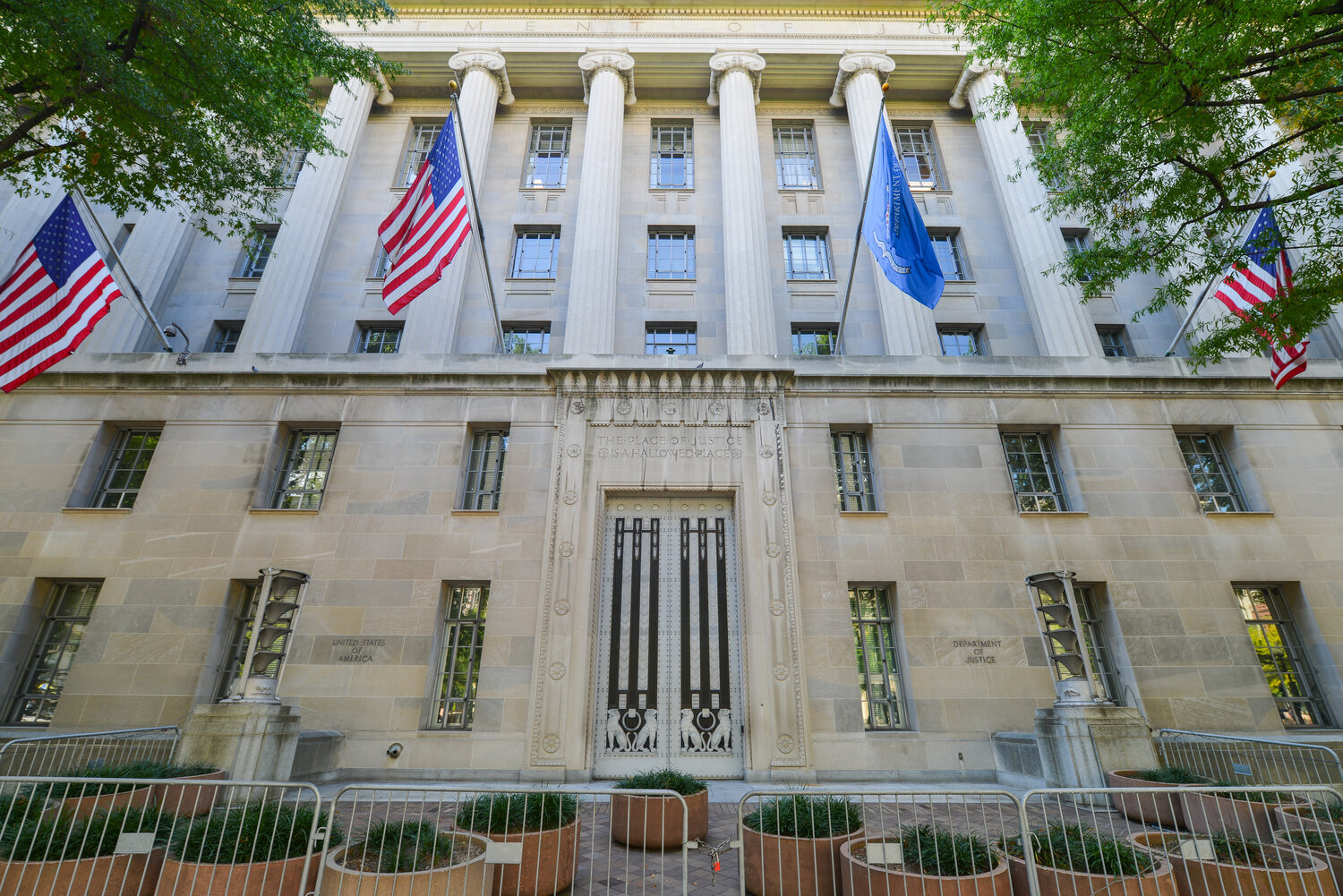
The Justice Department’s fiscal 2027 budget materials indicate that the National Security Division is trying to manage a growing enforcement and oversight docket with materially fewer lawyers in key offices, raising questions about how quickly the department can sustain its national security agenda across export controls, sanctions, foreign-agent cases, surveillance oversight, and foreign-investment reviews.

Section 338 of the Tariff Act of 1930 has not yet produced any new tariff action, but trade lawyers are treating it as a live contingency as the administration searches for post-IEEPA tariff authorities.

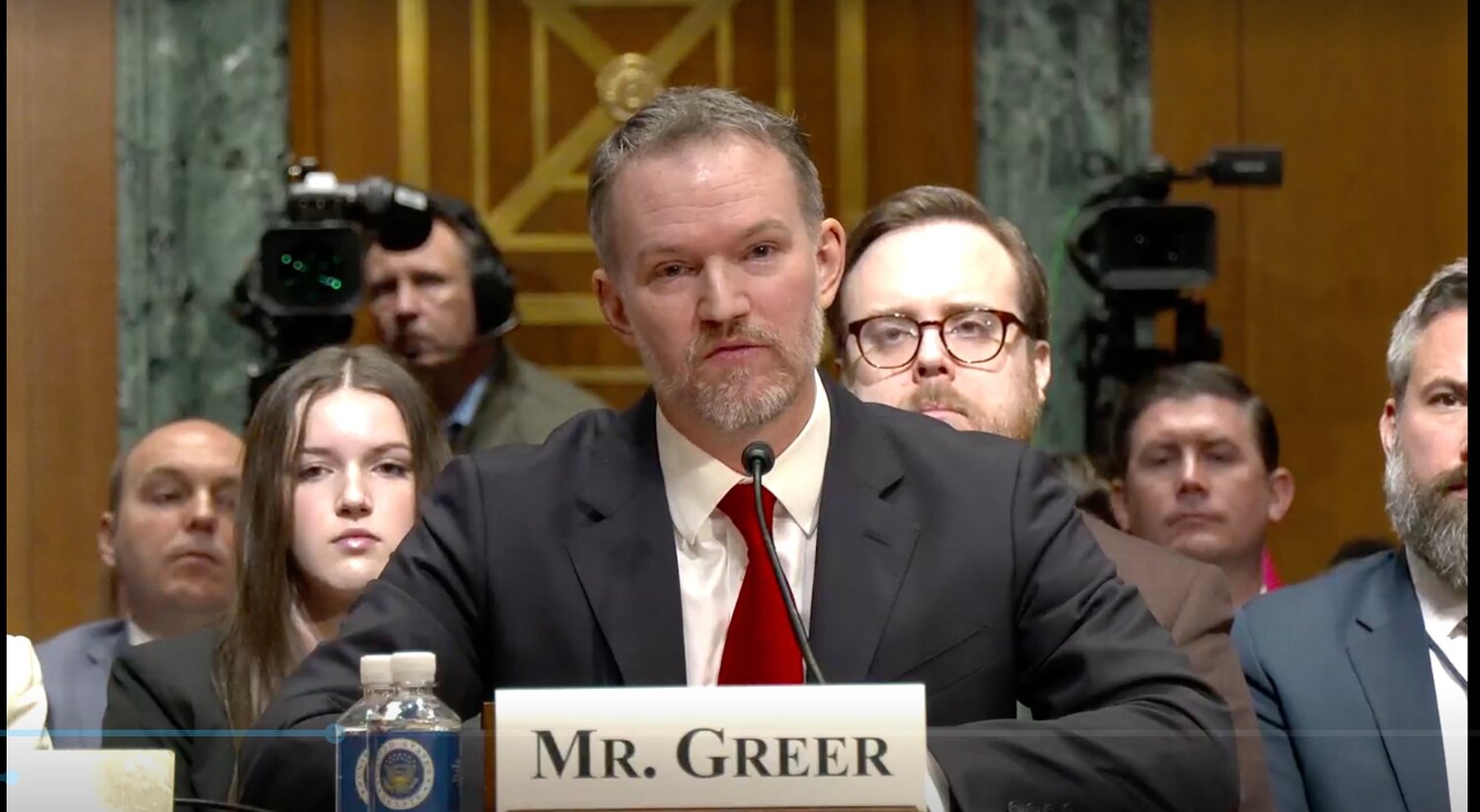
US Trade Representative Jamison Greer says he returned from the World Trade Organization's 14th ministerial conference convinced that the WTO "isn't a serious forum."
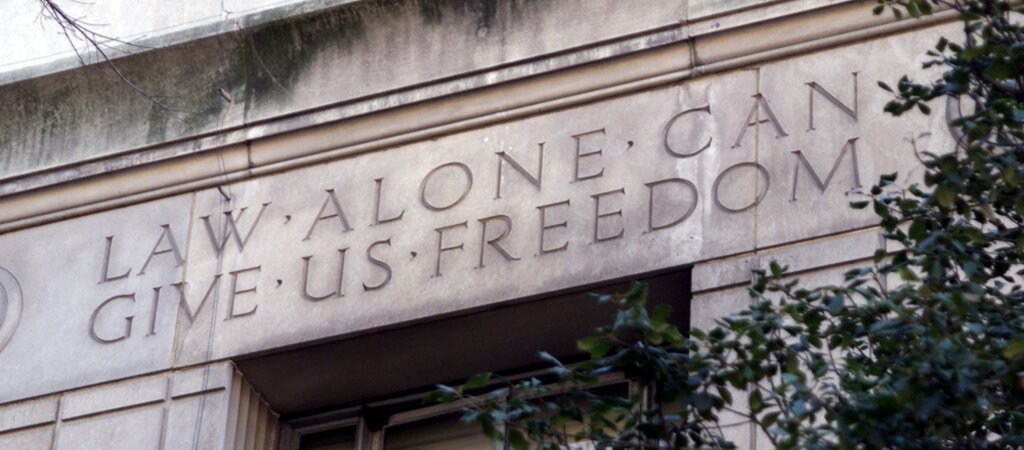
DOJ’s March 30 guidance turns its new department-wide corporate enforcement policy into a concrete national-security reporting regime: companies that want full voluntary-self-disclosure credit in criminal export controls, sanctions, terrorism-financing, CFIUS, or Team Telecom matters must bring those cases to the National Security Division, not assume that disclosure to BIS, OFAC, or another regulator will suffice.
Rep. Ann Wagner, R-Mo., said she has reintroduced the Export Control Enforcement and Enhancement Act, a measure aimed at speeding interagency action on additions to, removals from, and other changes to the Commerce Department’s Entity List. In a March 31 statement, Wagner said the bill would “modernize” the export-control system by giving the Departments of State, Defense, and Energy a faster path to seek changes to the list and by imposing a 30-day deadline for action on proposed modifications.
Congress is widening its China chip campaign from export bans to system-wide control. What began as a fight over Nvidia licenses now reaches Intel’s supplier relationships, Southeast Asian cloud build-outs, and legislation mandating location-tracking for advanced semiconductors. The common premise is that traditional licensing no longer suffices when sensitive know-how, computing power, and controlled hardware can move through testing partnerships, overseas data centers, and third-country diversion routes.

The State Department is moving to operationalize Pax Silica with two tools: a proposed $250 million Pax Silica Fund to "finance trusted supply-chain capacity" and a “concierge” export pilot to speed allied procurement of U.S. AI infrastructure.
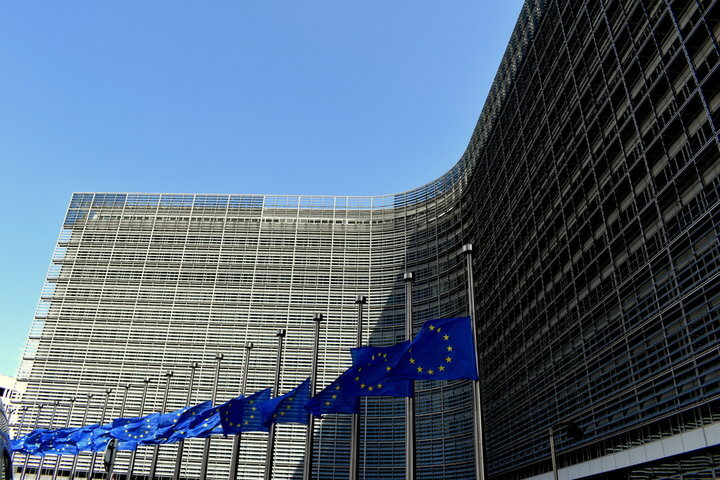
The European Parliament on March 26 cleared a major procedural hurdle for the EU-U.S. Turnberry trade deal, approving two measures to lower EU tariffs on U.S. industrial, seafood and agricultural …

Bipartisan legislation was introduced March 26 that would require sanctions and visa bans on senior Hungarian officials if they obstruct financial or security assistance to Ukraine or continue facilitating Hungarian imports of Russian oil and gas.

The House Foreign Affairs Committee on Thursday advanced the Chip Security Act (H.R. 3447) , a bipartisan proposal that would direct the Commerce Department to require “chip security mechanisms,” …

Sens. Tammy Baldwin, D-Wis., and Bernie Moreno, R-Ohio, on March 26 urged Commerce Secretary Howard Lutnick to open a Section 232 investigation into imports of heavy construction and agricultural …

President Trump’s pledge to insure “all” maritime trade through the Gulf has narrowed into a $20 billion U.S. reinsurance facility, with Chubb as lead underwriter and coverage initially limited to qualifying vessels and selected war-risk lines, according to the U.S. International Development Finance Corporation and a Cato Institute analysis.

The Trump administration moved Thursday to fast-track more than $16.5 billion in proposed arms sales to Kuwait, the United Arab Emirates and Jordan, invoking emergency authority to waive normal congressional review as U.S. partners in the Gulf confront Iranian missile and drone attacks.

President Trump and Japanese Prime Minister Sanae Takaichi used Thursday’s White House summit to roll out a broader-than-expected package of critical-minerals, energy, technology and defense initiatives, giving formal shape to a visit that had initially appeared likely to be dominated by Middle East security and alliance politics.
A growing divide exists about how best to balance economic security with commercial opportunity, especially with leading-edge technologies. Former Chips for America official Drew Dushkes writes that companies that show how commercial engagement enhances American competitiveness, rather than undermining security, may find themselves better positioned to navigate an era where trade restrictions have become both more expansive and more negotiable.
The U.S. goods and services trade deficit narrowed sharply in January, falling $18.4 billion to $54.5 billion from a revised $72.9 billion in December, as exports rose and imports edged lower. Exports increased 5.5% to $302.1 billion, while imports slipped 0.7% to $356.6 billion. The export gain was led by a sharp increase in overseas gold sales, continuing the large swings in precious-metals trade that have injected volatility into recent monthly data.
The United States on Wednesday rejected the draft WTO reform package prepared by facilitator Ambassador Petter Olberg of Norway, casting fresh doubt on whether members can transmit any credible reform text to ministers ahead of the 14th Ministerial Conference later this month in Yaoundé.
The Office of the U.S. Trade Representative on Thursday opened a second sweeping set of Section 301 investigations, this time targeting 60 economies over what it said was a failure to impose and effectively enforce bans on imports of goods made with forced labor.
U.S. and Mexican trade officials will begin formal scoping talks next week on the 2026 review of the U.S.-Mexico-Canada Agreement opening a bilateral track that increases pressure on Canada as the pact’s July 1 joint-review deadline approaches.
The new Section 301 cases give the Trump administration a possible path to rebuild tariff leverage on a more durable statutory footing after the courts curtailed its use of emergency powers:. But the process is not immediate. USTR’s notice sets comments through April 15 and hearings beginning May 5.