U.S. Secretary of State Marco Rubio December 23 announced visa restrictions on five individuals he accused of acting as “agents of the global censorship-industrial complex,” a move that has intensified tensions between Washington and European governments over technology regulation and online speech.
The U.S. Patent and Trademark Office (USPTO) on December 23 released a notice of proposed rulemaking that would require foreign-domiciled patent applicants and patent owners to be represented by a registered U.S. patent practitioner in all patent matters before the Office.
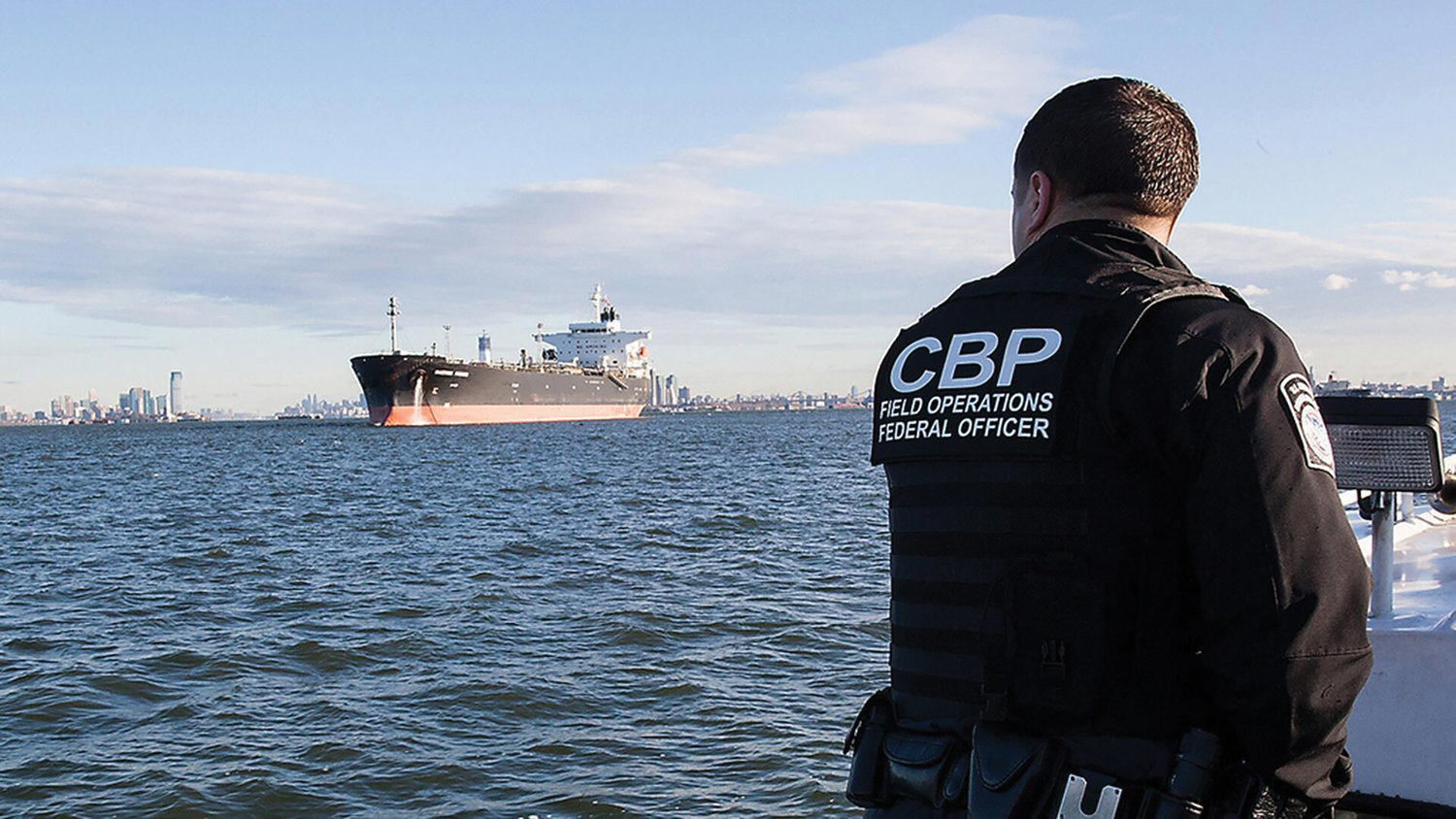
U.S. Customs and Border Protection is preparing a pilot program that would extend participation in the Customs‑Trade Partnership Against Terrorism to a broader set of logistics providers, marking a significant expansion of the long-running supply-chain security initiative beyond its traditional focus on cargo owners.
Global value chains (GVCs) remain resilient despite geopolitical tensions, climate pressures, financial uncertainty, and the aftershocks of the COVID-19 pandemic, according to the Global Value Chain Development Report 2025, released at the World Trade Organization on December 15.
Senior Republicans in Congress are pressing the Defense Department to expand its blacklist of Chinese military-linked firms, calling for the addition of DeepSeek, Gotion High-Tech, Unitree Robotics, WuXi AppTec and affiliated entities, along with 13 other companies, to the Pentagon’s Section 1260H list.

President Trump has signed the Fiscal Year 2026 National Defense Authorization Act (NDAA) into law, enacting a sweeping defense policy measure that authorizes more than $900 billion in national defense priorities while significantly expanding U.S. authorities over investment security, export controls, sanctions, and defense trade.
President Trump on Thursday issued an executive order granting federal employees administrative leave on Wednesday, December 24, and Friday, December 26, 2025, effectively closing executive departments and agencies on the days immediately before and after Christmas. The Washington Tariff & Trade Letter will not be published December 18th, though we will update the site; your next issue is January 5th.
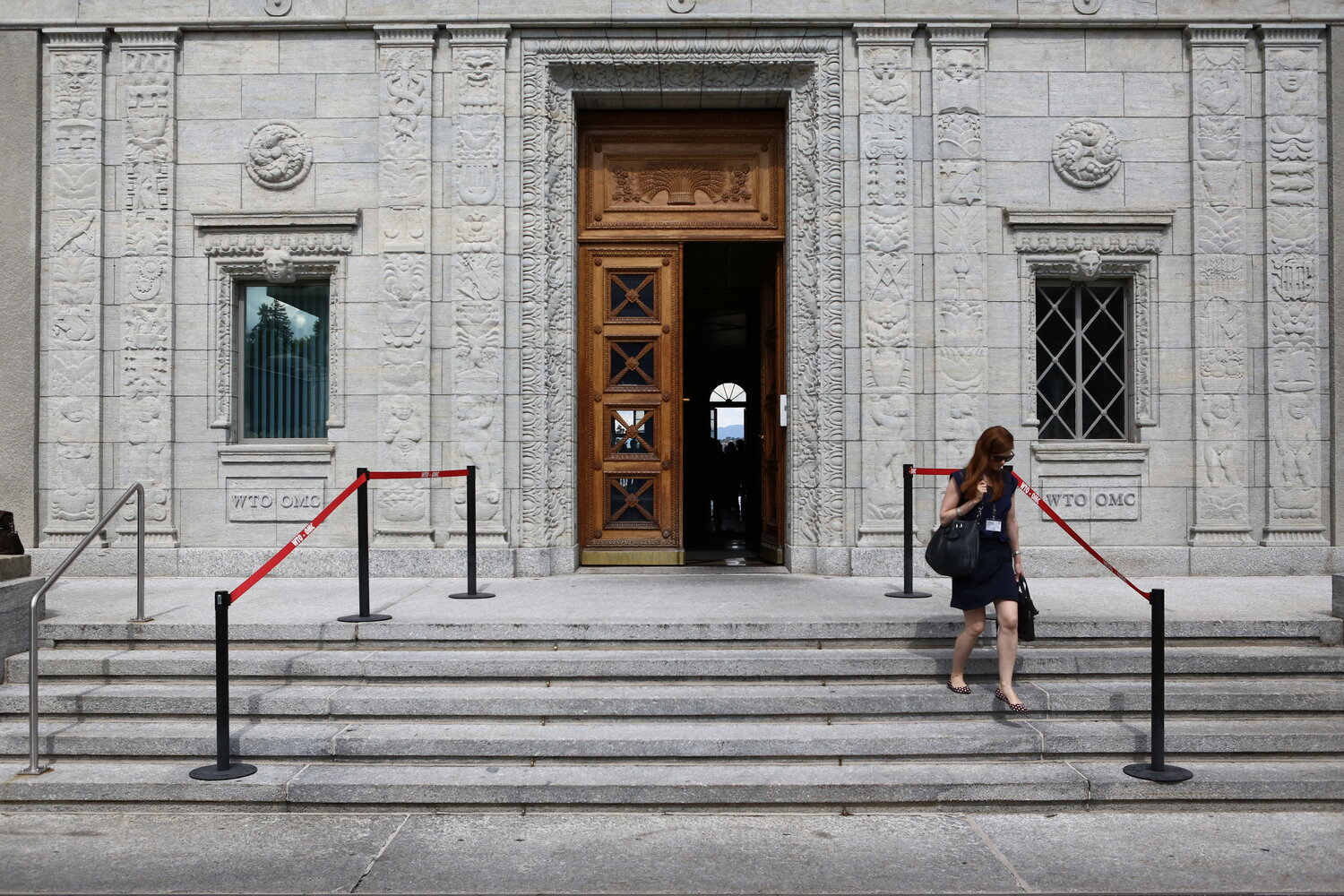
The World Trade Organization’s General Council meeting in Geneva closed without breakthroughs, underscoring deep divisions ahead of the 14th Ministerial Conference (MC14) scheduled for March.
House Budget Committee Chairman Jodey Arrington (R-Texas) has introduced legislation that would direct the administration to seek stronger and more coordinated foreign investment screening as part of the upcoming renegotiation of the United States–Mexico–Canada Agreement.
US Trade Representative Jamieson Greer is threatening the possibility of launching a Section 301 investigation against the European Union’s digital policies in hopes of reaching a negotiated resolution to the long-standing problem.
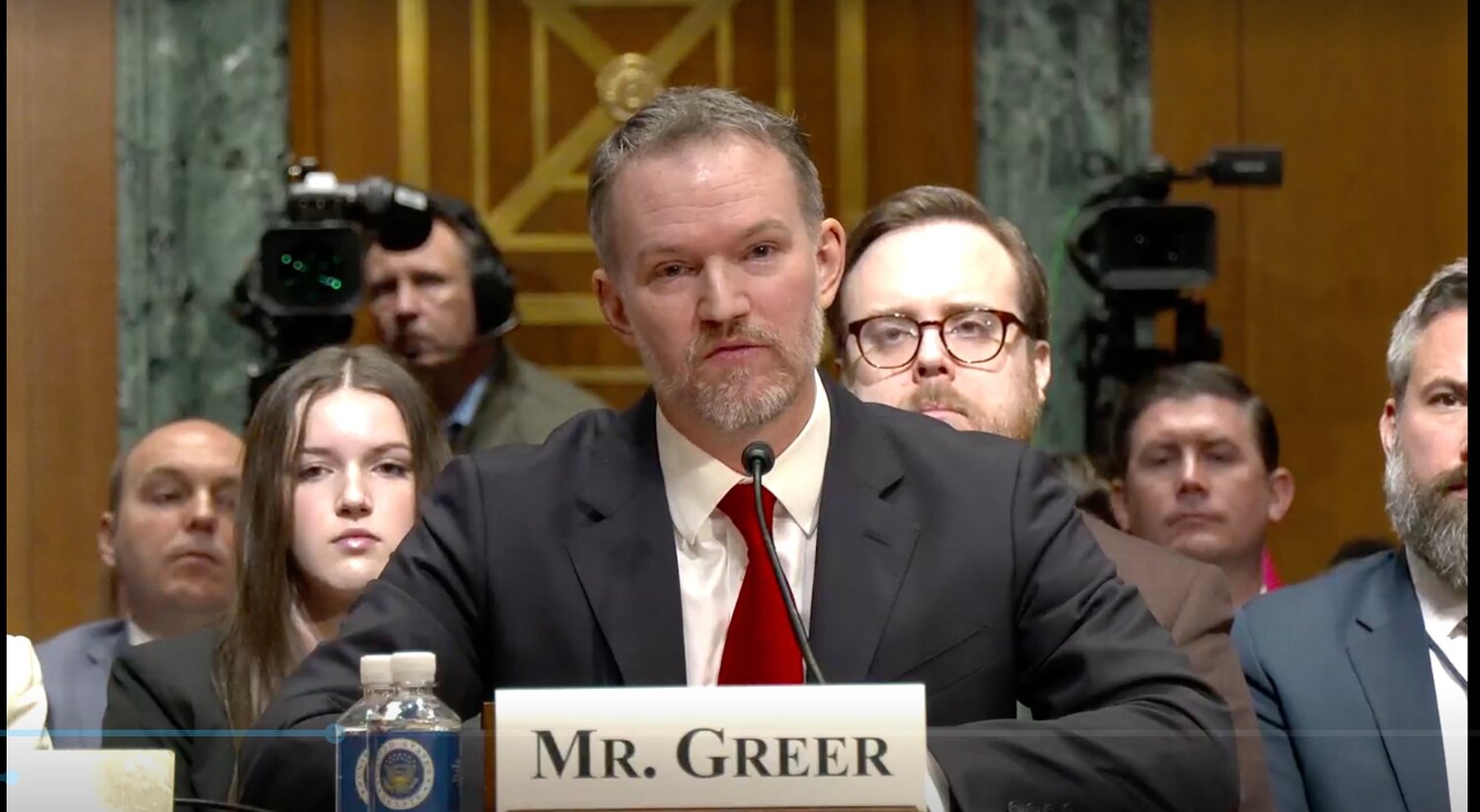
Ambassador Jamieson Greer told House Ways and Means and Senate Finance Committee members on December 16 and 17 that the United States–Mexico–Canada Agreement (USMCA) “has been successful to a certain degree,” but is not an “unqualified success,” as the administration prepares for the agreement’s mandated six-year joint review on July 1, 2026.
Steel and aluminum trade compliance across North America is entering a more restrictive phase, marked by intensified U.S. enforcement under Section 232 and IEEPA authorities and the rollout of new …
After spending much of the year asserting it could manage U.S. foreign assistance without the U.S. Agency for International Development, the State Department has begun quietly rehiring personnel to perform many of the same functions previously handled by USAID.
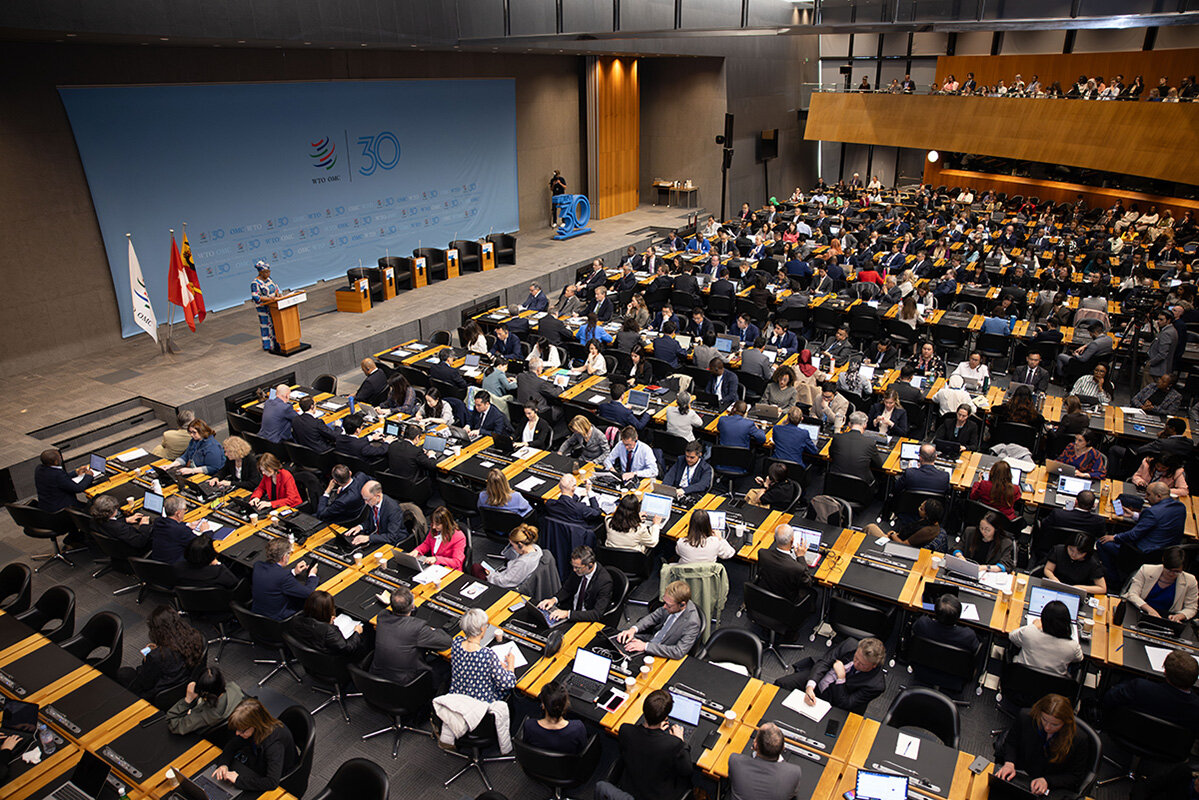
The United States on December 15 circulated a General Council communication outlining its priorities for World Trade Organization reform, explicitly excluding several core U.S. trade-policy concerns from the WTO’s remit.
Divisions remain entrenched in World Trade Organization reform talks, with no consensus emerging across three core workstreams: decision-making, development and special and differential treatment (S&DT), and the level playing field, according to a restricted report circulated this week.

The House Select Committee on China on December 11 held a hearing examining the impact of China’s auto sector on the U.S. automobile industry and related security concerns.
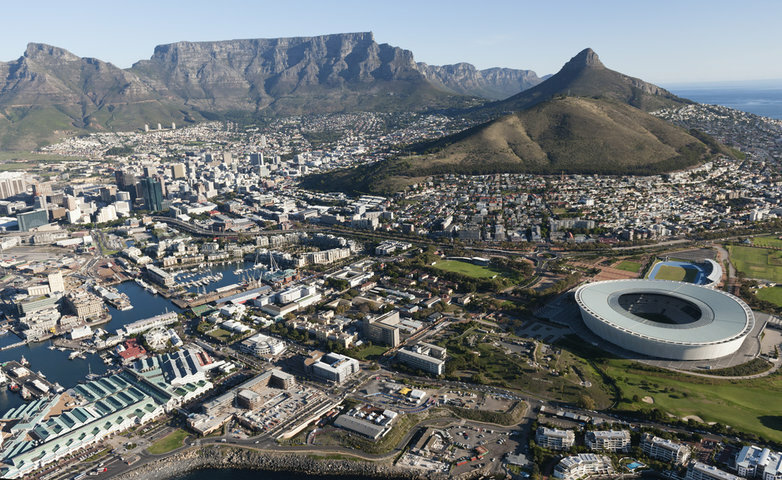
The House Ways and Means Committee has moved to revive the African Growth and Opportunity Act (AGOA) and extend U.S. trade preference programs for Haiti, advancing legislation that supporters frame as both an economic development tool and a strategic response to growing geopolitical competition in Africa and the Caribbean.

U.S. Trade Representative Jamieson Greer used an appearance Wednesday at the Atlantic Council to defend the Trump administration’s tariff strategy, signal flexibility in North American trade arrangements, and outline a more pragmatic approach to China, Europe, and key emerging-market partners.
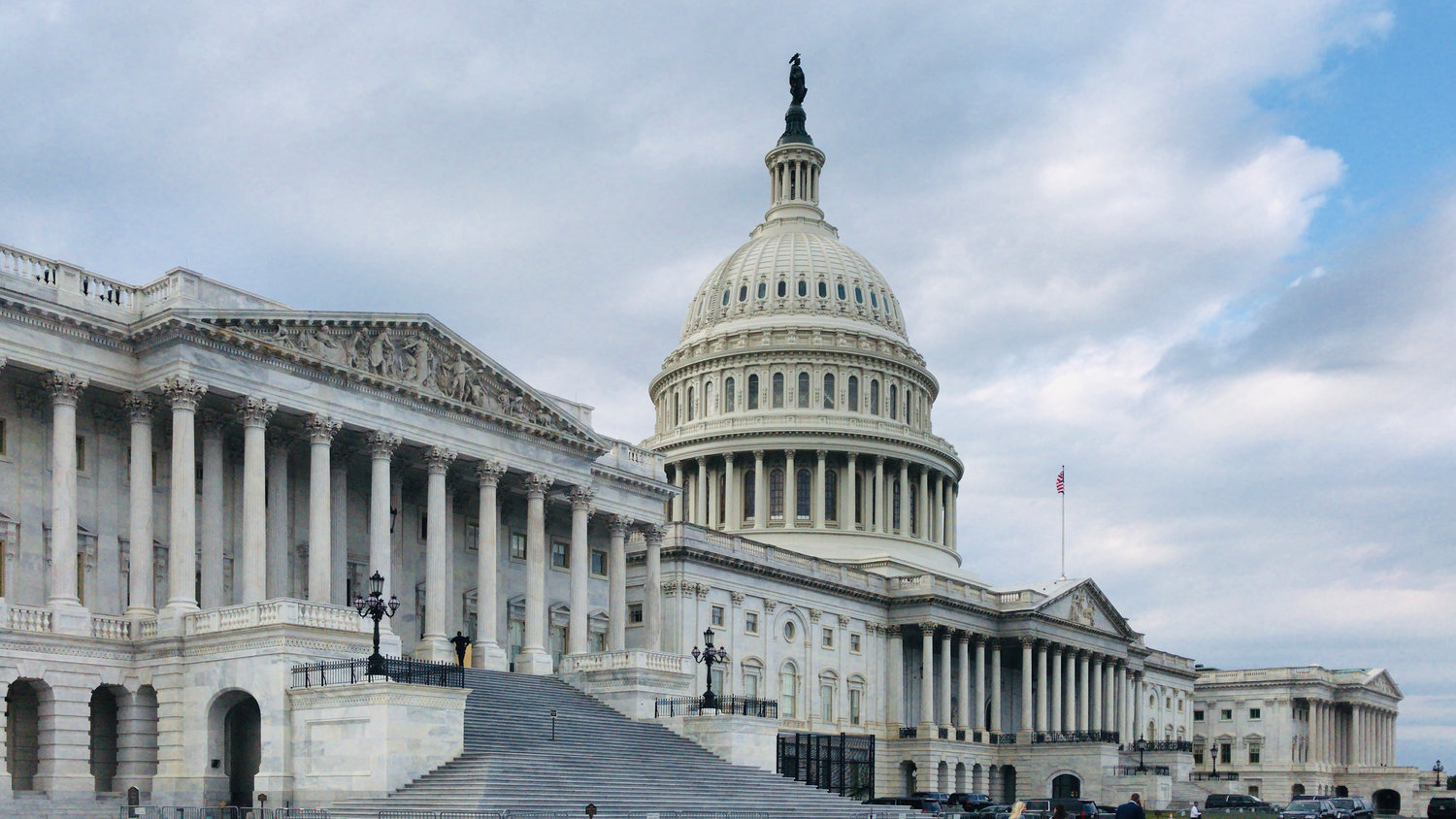
The U.S. House of Representatives has passed the Fiscal Year 2026 National Defense Authorization Act (NDAA), advancing a package of trade security, export control, and investment measures aimed largely at curbing strategic dependencies on China and other adversaries.

The European Commission and the High Representative on Wednesday unveiled a significantly hardened economic-security posture, warning that the EU now faces “increasingly serious threats” from global trading partners, including “deliberate disruptions to global trade,” “weaponisation of dependencies,” and “unfair and predatory practices affecting critical supply chains.”