

Japan’s pledge to invest $550 billion in the United States remains in limbo as trade negotiations falter over tariff disputes and profit-sharing terms.
U.S. Customs and Border Protection has begun collecting a 25% duty on most Indian goods , following Executive Order 14329 , which targets countries tied to Russian oil.

A federal appeals court on Friday struck down most of President Donald Trump’s tariffs, ruling that the administration unlawfully relied on emergency powers to impose sweeping trade measures without congressional approval.
he Cybersecurity and Infrastructure Security Agency (CISA), along with the NSA, FBI, and international partners, issued a joint Cybersecurity Advisory warning that People’s Republic of China (PRC) state-sponsored actors are targeting critical infrastructure worldwide to establish long-term, persistent network access.
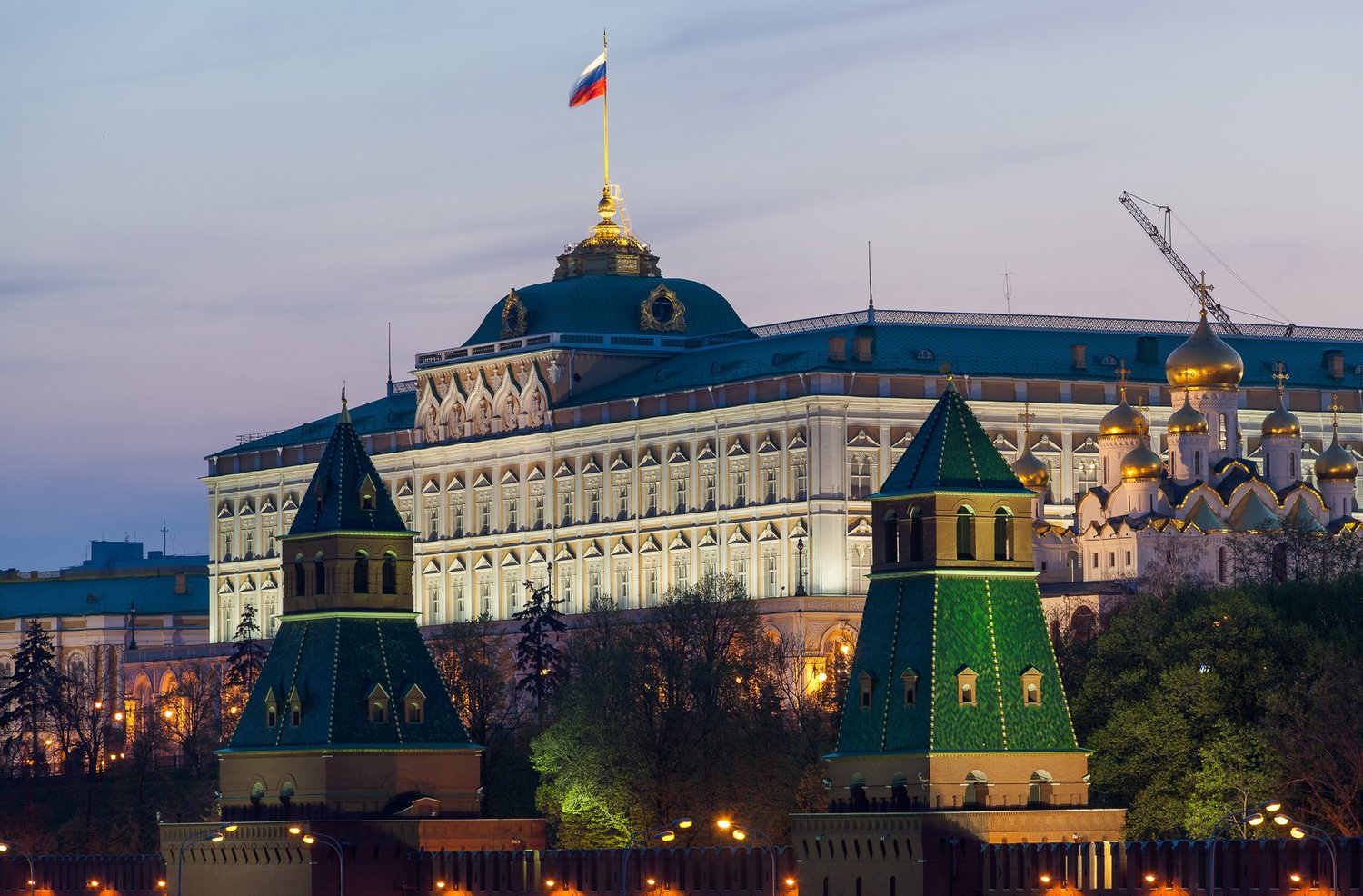
The Sanctioning Russia Act of 2025 (S. 1241 / H.R. 2548), one of the most far-reaching sanctions packages proposed since Russia’s invasion of Ukraine, remains in committee despite commanding overwhelming bipartisan support. The bill’s fate hinges on the White House, where President Donald Trump has signaled he will decide “in a couple of weeks” whether to endorse aggressive new sanctions, sweeping tariffs, or a more restrained approach.
Prime Minister Mark Carney announced Friday that Canada will remove all tariffs on U.S. goods covered under the Canada-United States-Mexico Agreement (CUSMA), a move he described as critical to preserving Canada’s unique trade advantage with Washington.

A joint statement published Thursday offered significant new insights into negotiations Brussels and Washington are hammering out under President Donald Trump’s initiative to reconfigure global trade. As previously announced, U.S. tariffs will be set at 15% for most European goods, but Thursday’s statement also provided details on some products that will be exempt from the “reciprocal” tariffs the White House has imposed under the International Emergency Economic Powers Act.
The Justice Department will limit the use of unlicensed money transmission statutes in digital asset cases to willful violations, Acting Assistant Attorney General Matthew R. Galeotti said Thursday, while warning that money laundering and sanctions evasion remain top enforcement priorities.
From 20 to 23 October 2025, world leaders, ministers, Nobel laureates, CEOs, and civil society representatives will convene in Geneva for the 16th ministerial session of UN Trade and Development (UNCTAD16). The meeting comes at a moment of mounting debt distress across developing economies and the looming expiration of the African Growth and Opportunity Act (AGOA), both of which are expected to dominate the agenda.

Senator Edward J. Markey (D-Mass.), Ranking Member of the Senate Committee on Small Business and Entrepreneurship, sent a letter to senior administration officials urging immediate preparation of a tariff refund program for American businesses, particularly small firms, in anticipation of possible court rulings invalidating President Trump’s global tariff regime.
On Tuesday, August 19, 2025, the President signed into law: H.R. 1316, the “Maintaining American Superiority by Improving Export Control Transparency Act”, which amends the Export Control Reform Act of 2018 to require the Secretary of Commerce to report annually to Congress on applications for dual-use export licenses. The bipartisan legislation, co-led by Senators Jim Banks (R-IN) and Mark Warner (D-VA), strengthens congressional oversight of U.S. export control decisions by requiring detailed annual reports on license applications and enforcement actions involving sensitive technologies.
Despite a top-down policy of discouraging public participation in the policymaking process, the Technical Advisory Committees at BIS continue to schedule meetings, albeit with sharply limited slots …
Reps. Jared Golden (D-Maine) and Greg Steube (R-Fla) have introduced legislation to assert Congress’ role in crafting trade policy and target countries of concern to improve US economic security
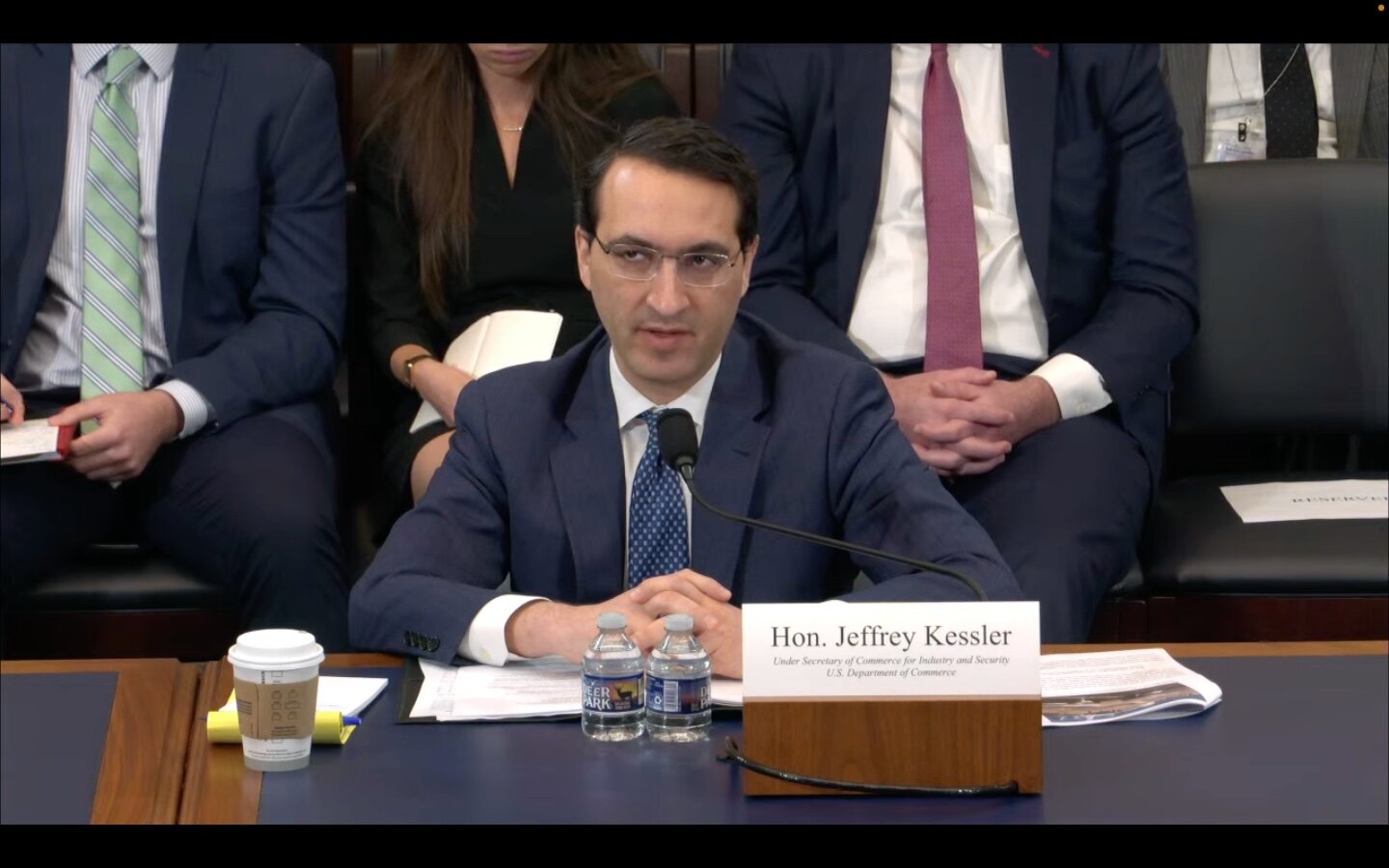
Nearly three months after Under Secretary of Commerce for Industry and Security Jeffrey Kessler assured Congress that his bureau was “driving forward” U.S. export control policy, internal and external frustrations are mounting over what industry, lawmakers, and former officials describe as a near-paralysis in licensing and rulemaking.
The Export Practitioner caught up with Morrison Foerster's James Brower for an update on how CFIUS process has evolved and considerations for filers going forward.
The Peterson Institute for International Economics (PIIE) warns that President Trump’s “Liberation Day” tariffs risk deterring foreign direct investment (FDI) in the United States. In their working paper, economists model five scenarios—varying tariff levels, foreign retaliation, and a rise in perceived country risk—and find that investment consistently falls below baseline in every case.

The Securities and Exchange Commission (SEC) has dismissed its civil enforcement action against two former Cognizant Technology Solutions executives, following the Department of Justice’s earlier decision to drop parallel criminal charges. [13540]
The U.S. Census Bureau has issued a final rule amending the Foreign Trade Regulations (FTR) to clarify Electronic Export Information (EEI) filing requirements for in-transit shipments that enter the United States before re-export.
The Penn Wharton Budget Model released a revised economic brief noting that while tariff changes generated $42.7 billion in revenue between October 2024 and May 2025, importers avoided a good bit of this cost by accelerating purchases and shifting procurement practices, particularly in pharmaceuticals and precious metals.
The U.S. Department of Agriculture’s Foreign Agricultural Service has published a new report offering U.S. food, agriculture, and beverage exporters a detailed analysis of China’s fast-evolving e-commerce market.