
A growing share of Bureau of Industry and Security export-control settlements under the Trump administration have approached the maximum penalties allowed by law, according to a Center for Strategic …

Members of the Global Forum on Steel Excess Capacity adopted a framework for coordinated action on September 30, targeting market-distorting subsidies, trade circumvention and weaknesses in steel …
The reported extension of the U.S.–China Busan trade agreement until January 10, 2027, could prolong the suspension of the Bureau of Industry and Security’s Affiliates Rule. Whether the extension covers that rule, however, remains unconfirmed in the official materials reviewed.
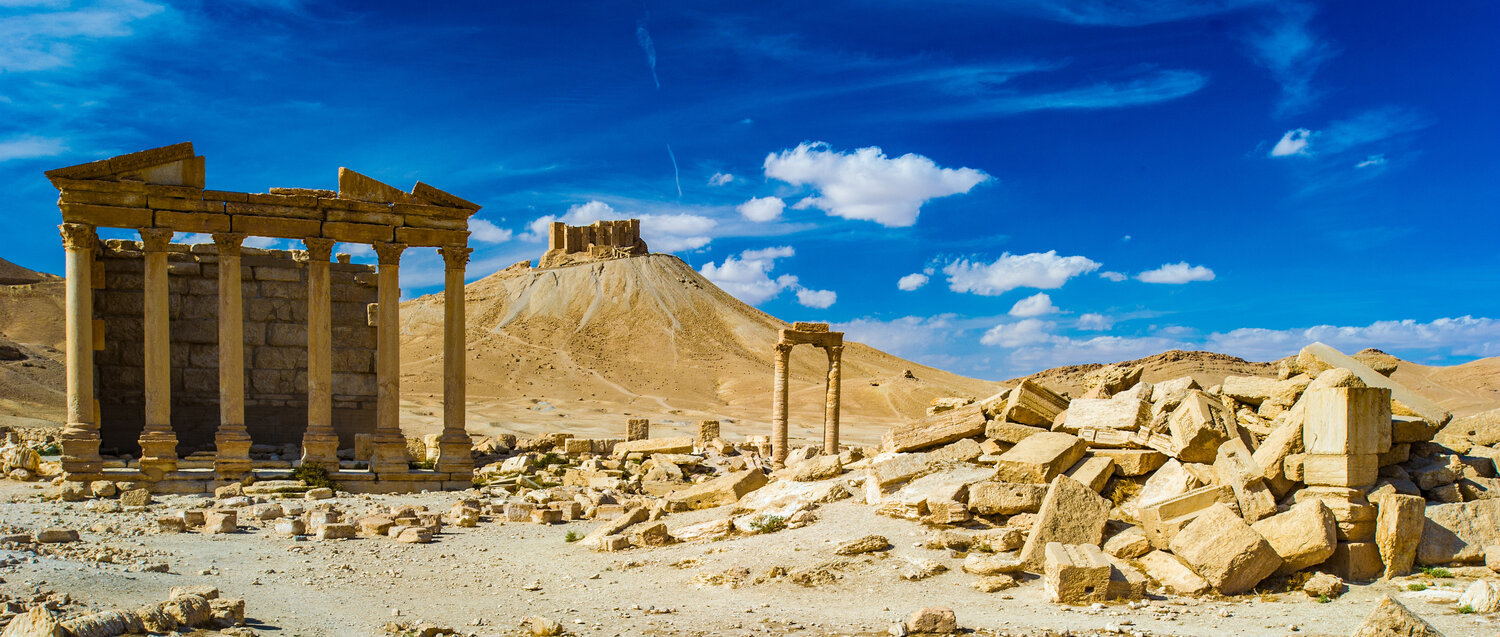
The United States has lifted comprehensive economic sanctions on Syria and is easing defense trade restrictions, but export controls remain uneven across agencies. State’s ITAR amendment does not remove Syria from BIS Country Group E:1 or eliminate Syria-specific EAR licensing requirements. Until Commerce acts, businesses must continue to apply those controls alongside targeted Treasury sanctions.
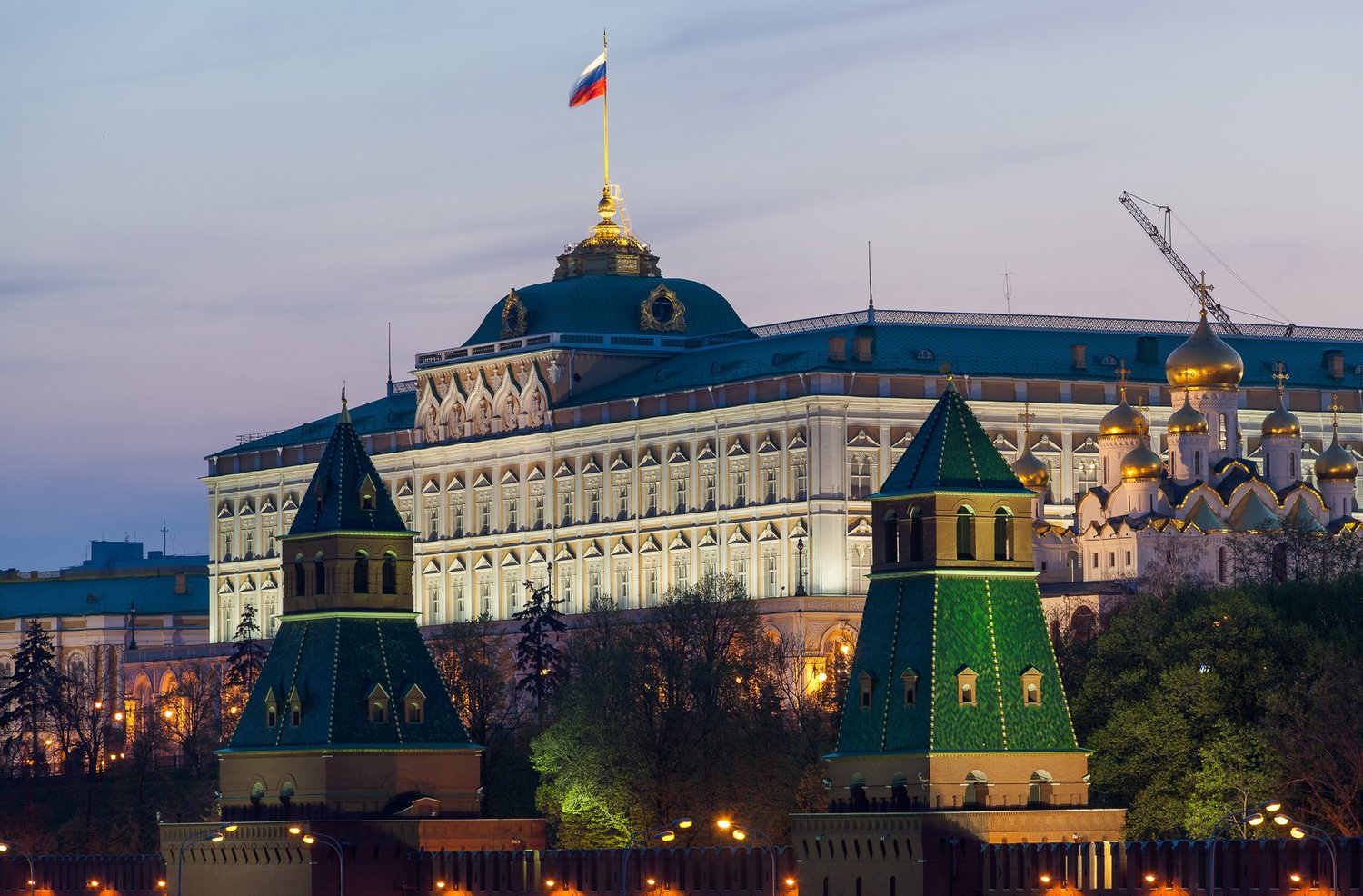
The Graham Act creates immediate compliance risks beyond companies that trade directly with Russia by authorizing tariffs on all goods from major buyers of Russian energy, codifying much of the existing U.S. sanctions regime, and increasing secondary-sanctions exposure for foreign financial institutions. Treasury’s additional Iran-related designation of VTB Bank compounds that banking risk, while the EU’s removal of Alisher Usmanov and Mikhail Fridman—and their continued designation under Latvian and Estonian national sanctions—underscores the need for jurisdiction-specific screening.

The State Department’s Directorate of Defense Trade Controls is scheduled to publish a proposed rule on October 1 that would narrow U.S. Munitions List controls, revise key ITAR definitions, and establish a license exemption for temporary exports of foreign defense articles for servicing and repair.

Russia’s Northern Sea Route is attracting record interest as war and insecurity disrupt shipping through the Middle East, but its emergence as an Asia–Europe trade corridor remains constrained by seasonal ice, limited capacity, sanctions exposure and dependence on Russian permits and icebreakers. A new analysis by Mikhail Korostikov argues that geopolitical conflict—not climate change or improved commercial economics—is driving the expansion, raising doubts about whether traffic will endure if traditional routes stabilize.
OFAC’s new Sanctions Penalties Regulations, effective September 25, 2026, consolidate the enforcement procedures and penalty provisions for IEEPA- and UNPA-based sanctions programs in 31 C.F.R. Part 505. Although OFAC describes the rule as non-substantive, it has immediate compliance consequences: entity settlements and civil penalties must be disclosed publicly at least monthly; respondents have 30 days to contest a Pre-Penalty Notice or initial Finding of Violation; and criminal violations now carry an express willfulness standard, while civil liability remains strict.

U.S. Customs and Border Protection has ordered U.S. ports to detain palm oil and derivative products from two Indonesian producers after finding evidence reasonably indicating the use of forced labor, extending enforcement scrutiny that previously resulted in major actions against Malaysia’s palm oil industry.

OFAC’s latest rules tighten Cuba sanctions by restricting intermediary payments, withdrawing authorization for certain dollar transfers and private-sector bank accounts, and narrowing educational and professional travel permissions. Effective September 30, 2026, the changes require prompt review of payment processing, affected accounts, and planned travel. Separate rules codify existing Iran and Cuba sanctions authorities and consolidate administrative provisions without repealing underlying compliance obligations. OFAC announcement
Eli Lilly’s new collaboration with China’s InnoCare Pharma underscores the commercial stakes as the Trump administration considers whether to preserve most pharmaceutical licensing deals under forthcoming outbound investment rules.
The bipartisan Communications and Technology Transparency Act would broaden the FCC’s Covered List to expressly cover information and communications technology and services while limiting future additions to products and services supplied by entities controlled by foreign adversaries. The bill would strengthen Commerce’s role and congressional oversight while preserving existing listings.
The case illustrates how overseas intermediaries can conceal the Iranian destination of U.S. technology behind an ostensibly legitimate sale to China. Dindar’s admitted use of false destination claims underscores the importance of verifying the ultimate end user and intended use of sensitive exports, particularly when a third-country buyer arranges onward shipment.
The United States invoked the USMCA’s Rapid Response Labor Mechanism on September 25 over alleged union retaliation and collective bargaining violations at Yokohama’s Coahuila tire plant, following the company’s closure of its Salem, Virginia, facility and the loss of nearly 600 U.S. jobs.
A Virginia company concealed its Russian ownership to sell digital forensic software to the U.S. Secret Service, federal prosecutors alleged in charges announced September 23 against its CEO and a Russian owner.
The proposed tariffs expose a conflict in the administration’s technology policy: Duties may encourage domestic memory-chip production over time, but U.S. factories cannot meet current demand. In the interim, tariffs could raise costs for the imported chips needed to build data centers, train AI models and manufacture consumer electronics.
President Donald Trump and Chinese President Xi Jinping discussed artificial intelligence at the White House on September 24, but their public statements revealed different approaches to oversight.
The changes primarily reorganize existing rules and reflect sanctions relief already granted. OFAC’s new penalties regulations preserve existing enforcement provisions, while the Syria amendment removes an authorization made unnecessary by the country’s earlier delisting.
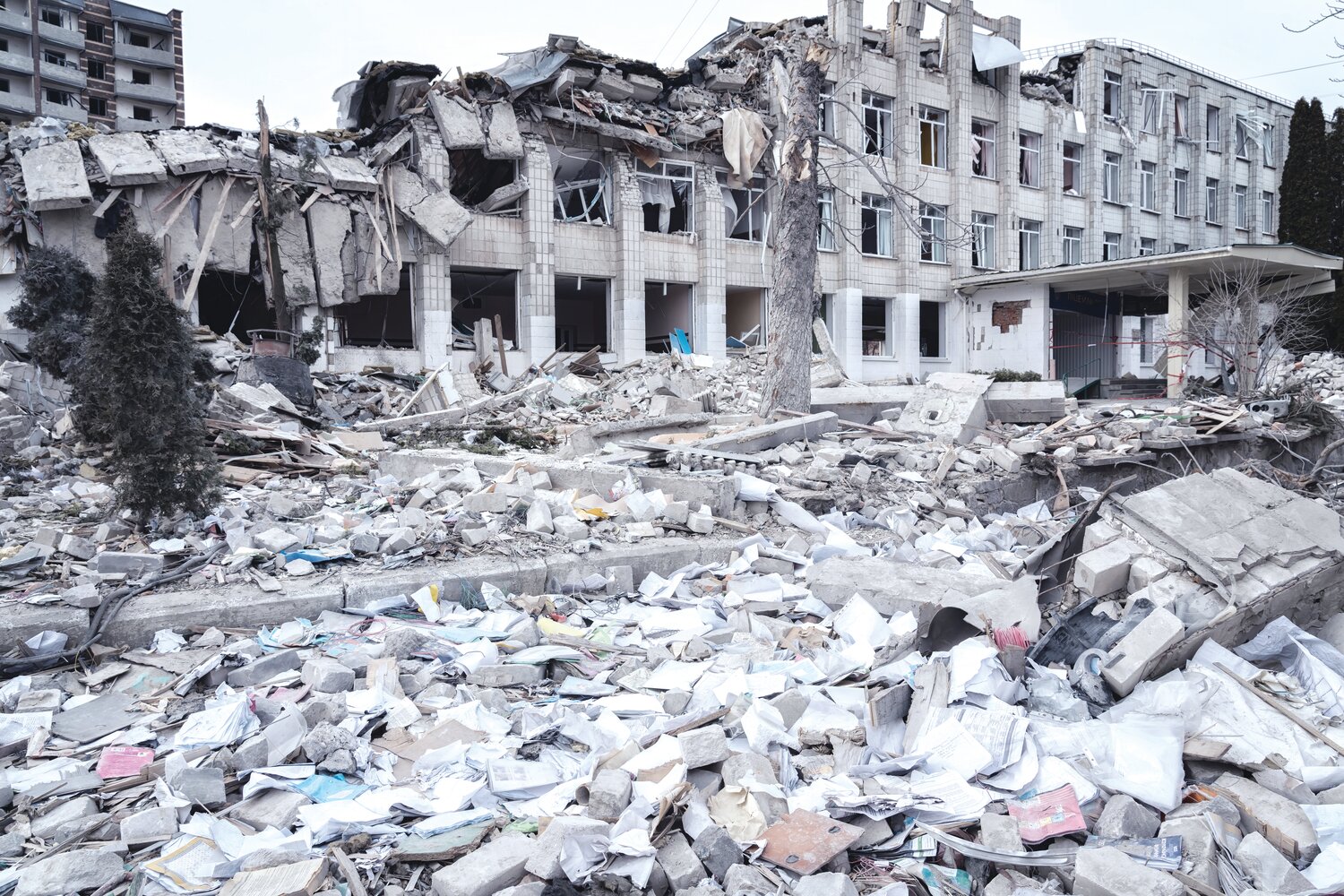
The compromise preserves EU restrictions on more than 2,600 Russia-linked targets until 2029 but lifts EU-wide asset freezes and travel bans on Usmanov and Fridman. Latvia objected that the delistings weakened pressure on Moscow, ultimately abstaining to save the broader regime while imposing national sanctions on both men.

The restrictions close off a way for importers to soften the impact of December’s tariffs and price floors: bringing in additional supplies before they take effect. By allowing Commerce to halt imports that substantially exceed historical levels, the rule makes purchasing patterns and affiliate arrangements immediate compliance concerns.